



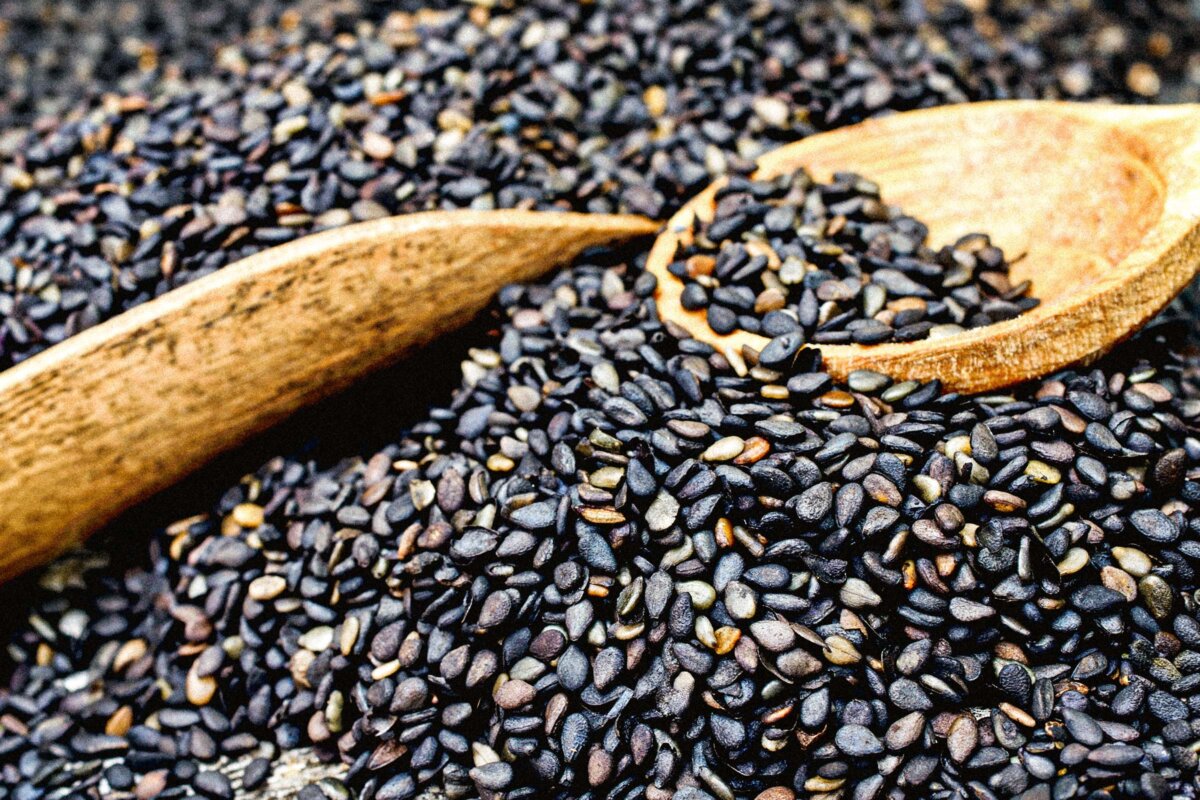
Black sesame seeds have been an essential ingredient in Asian cuisines for centuries and are now gaining popularity in the West, appearing in everything from dramatic-looking lattes to beautiful baked goods. But they offer much more than visual appeal; with a nutritional profile that can help with everything from chronic disease to accelerated aging.
Sesame is one of the world’s most valuable edible oilseed crops, with an oil content of up to 63 percent. Legend suggests that Assyrian gods drank sesame wine before creating the earth. In Chinese medicine, black sesame seeds—known as hei zhi ma—have long been used as a longevity tonic to nourish the liver and kidneys, beautify skin and hair, and support graceful aging.
“Black sesame seeds are becoming more popular as people return to traditional, nutrient-dense foods that support longevity, digestion, and overall wellness,” Nicole Flynn, a nutritional therapy and restorative wellness practitioner, told The Epoch Times. “This reflects a growing desire to reconnect with ancestral wisdom and the healing gifts provided by the Earth.”
A Nutritional Powerhouse in a Tiny Package
Black sesame seeds add more than a pop of color to a latte or donut; they are highly nutritious and offer a simple, portable way to give foods a health boost.
Black sesame seeds are an excellent source of protein, lignans, fiber, monounsaturated fats, B vitamins, and minerals, including copper, magnesium, iron, zinc, and calcium.
Black and white sesame seeds come from the same plant, but black sesame seeds retain their hulls, giving them a stronger, nuttier flavor and a modest nutritional edge. White sesame seeds are often hulled, either partially or completely, during processing, which strips some of their natural compounds.
“Unhulled sesame seed is more advantageous because the hulls act as a protective coating to prevent rancidity and keep the oil more stable,” Flynn said. Black sesame also tends to contain slightly higher levels of antioxidants and is generally less processed than its white counterpart.
Heart Health
Black sesame seeds contain lignans, which contribute to their health benefits, especially to the heart.
“The lignan in sesame seeds is called sesamin and has displayed antioxidant abilities,” Flynn said. “Animal research suggests that sesamin offers considerable ability to lower cholesterol levels.”
Recent human trials have validated these findings, with a 2024 systematic review and meta-analysis reporting that sesame supplementation significantly reduced triglycerides, total cholesterol, and low-density lipoprotein cholesterol levels in patients with Type 2 diabetes. A 2025 systematic review concluded that, among the 13 studies investigated, sesame supplementation reduced some risk factors for cardiovascular disease in adults.
Black sesame seeds are also rich in phytosterols, plant compounds structurally similar to cholesterol that help reduce its absorption in the intestines. Studies have shown that regularly eating foods high in phytosterols lowers LDL cholesterol and supports heart health.
Black sesame seeds are also an abundant source of unsaturated fats, such as omega-6 (specifically linoleic acid), which help lower LDL cholesterol, particularly when they come from plant sources. Research has shown that omega-6 fatty acids can reduce the risk of heart disease when replacing saturated fats as part of a healthy diet.
Strong Bones
Black sesame seeds are rich in calcium, magnesium, and phosphorus, minerals we need for strong bones and to prevent osteoporosis. In fact, a quarter cup of black sesame seeds provides more calcium than a full cup of milk, offering about 88 mg of calcium per tablespoon. The recommended daily amount of calcium is between 1,000 and 1,200 mg daily for most adults.
One tablespoon of unhulled sesame seeds provides nearly 90 mg of calcium; a quarter cup of whole, toasted sesame seeds delivers more calcium than a full cup of milk, making them one of the most concentrated non-dairy calcium sources available.
Calcium from sesame seeds is only moderately absorbed, with some studies reporting around 65 percent bioavailability in rats. The lower bioavailability is due to sesame’s oxalates and phytates, antinutrients that can impede mineral absorption. Grinding, toasting, soaking, or sprouting seeds can maximize nutrient absorption, reduce antinutrients, and improve digestibility.
Black sesame also contains copper, zinc, and iron, essential trace minerals which are needed for bone mineralization, collagen production, and bone remodeling, making them critical for maintaining strong bones and supporting long-term bone health.
Help Balance the Gut
Black sesame’s fiber content and anti-inflammatory compounds help promote gut balance and healthy motility, Flynn said.
The seeds feed beneficial gut bacteria. They contain both soluble and insoluble fiber, which helps digestion and relieves constipation. Their antioxidant lignans also support the gut microbiota more broadly.
Sesame also provides zinc, selenium, and iron, which strengthen and maintain the immune function. The immune system and the gut are intimately connected, as the gut is where 70 to 80 percent of immune cells reside.
Adding Black Sesame Seeds to Your Diet
Much of black sesame seeds’ appeal lies in their versatility. A small serving of 1 to 2 teaspoons a day can provide meaningful nutrients across a wide range of applications.

“Black sesame seeds can be sprinkled on oatmeal, yogurt, salads, or roasted vegetables, blended into dressings, mixed into baked goods, stirred into spinach and artichoke dip, or made into a paste that can be used as a nutrient-rich alternative to peanut butter in both sweet and savory recipes,” Flynn said.
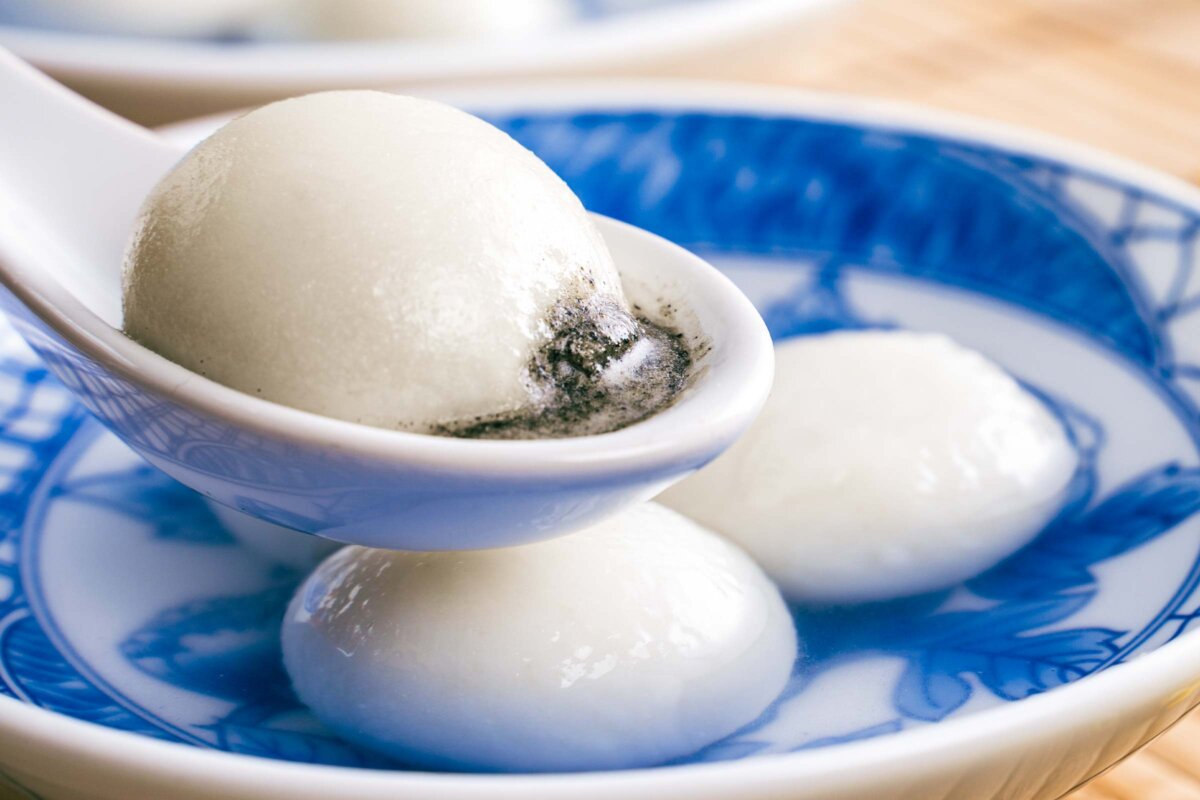
There is also a wide range of delicious Asian desserts featuring black sesame seeds, such as black sesame soup, pudding, glutinous rice balls, sesame balls, steamed buns, and mochi.
However, sesame is the ninth most common food allergen in the United States, with reactions ranging from mild to severe. Under U.S. Food and Drug Administration regulations, packaged foods must clearly label sesame as an ingredient where present. Common foods containing sesame include tahini, hummus, some sauces, dressings, and processed foods.
Sesame seeds are generally considered safe, however, if you have a health condition or are taking medication, specifically for diabetes or high blood pressure, speak to a health care provider for guidance before supplementing with sesame to ensure you are doing it safely.
The phrase “open sesame” derives from the way sesame seed pods naturally burst open when ripe, scattering their seeds—a small but satisfying footnote to one of food history’s most enduring ingredients.