


Because we’re situated in a resort community, our hospital admits as many visitors as locals. Some of these tourists are in the middle of treatments for severe diseases. I’m sure that their thinking is along the lines of “I don’t care if I do have cancer—I’m going to live my life! I’m taking that long-planned vacation!”
Often these restless souls don’t bother telling their oncologists that they’re slipping down south for a few days of “R&R” following a session of chemotherapy treatment. (I can’t blame them. In their shoes, I would be sneaky, too.) I’m sure they’re concerned that their doctors would discourage traveling.
Mrs. L was one such sojourner. She had been coming to our beaches all her life, even after she and her husband became empty nesters. However, this visit was different. In recent months, her “health passport” had been stamped multiple times by hospitals and treatment centers back home in Indiana. The couple realized that this beach trip would be her last.
Upon greeting her, I could sense the strength of her will. She spoke of the blur of all those family vacations.
“I have so many memories of my children playing in the sand, the morning sun warming our faces,” she said. “I didn’t come to simply see the ocean. I came to relive those memories in their fullness. I came to sink my toes in that sand, the same sand where my children left so many footprints through the years. I know that you must understand.”
Immediately, I remembered my own kids running and laughing as the low-tide waves chased them in a game of tag. I thought of the beautiful sunrises that greet me daily, leaving gorgeous reflections in tide pools. In my mind’s eye, I could see the brilliance of a harvest moon set against the darkness of the sea.
I did understand.
Mrs. L spoke of all this beauty before saying a single word about how she felt, before we ever discussed her health. I listened closely, because what people talk about most passionately reveals what they value most deeply. She was making her priorities known. Cancer had robbed her of many things. It wasn’t going to rob her of this final memory at the beach.
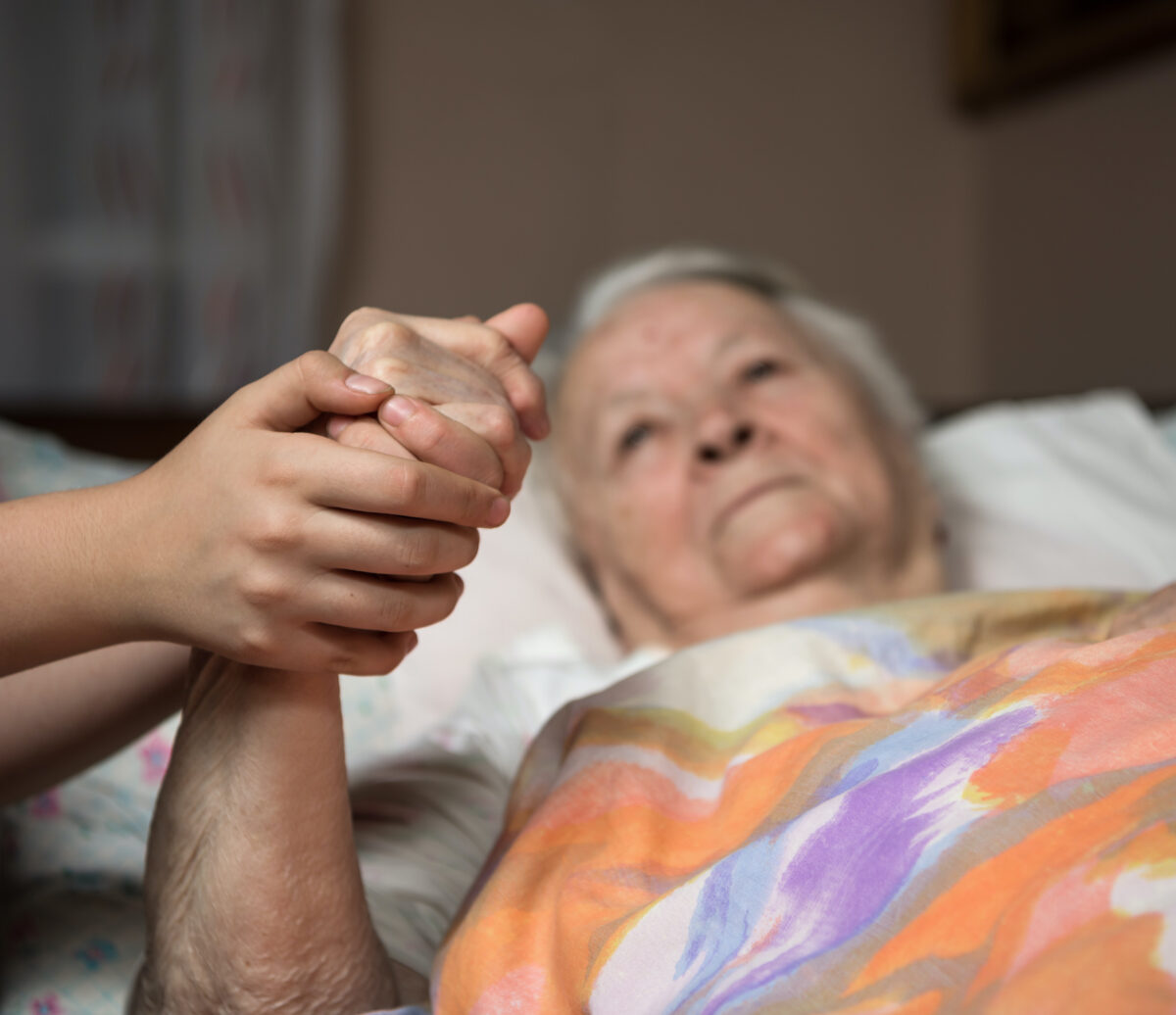
Eventually, we did get around to her medical issues. She told me that none of the treatments that the doctors had tried to cure, or at least slow, her disease had worked. She had, at best, a few weeks or perhaps a couple of months to live. Although she didn’t use the phrase “a good death,” as she talked about her family, life, and current decline, this was what she was describing. This trip was meant to close the last chapter; the epilogue would occur at home.
We would never have met, had she not become sick enough to require hospitalization during this, her final trip. While she was quite familiar with her health care system back home, our hospital was a foreign land to her. I was a stranger. Her anxious husband stood by as she walked me through her health history. She expressed confidence that she would return home to her loving family and die with her dreams fulfilled.
I marveled at this strong woman. She was yet another patient who would be my teacher. She knew her true condition. But more than knowledge, she had wisdom. She must have been a little afraid, but she displayed courage more than fear. Because of her obvious hope, she exuded peace.
My role as her temporary physician changed at that point. I wasn’t to keep her in the hospital for some recommended length of time. Nor was I to run multiple tests that would only delay her release. My job was to get her well enough ASAP so that she might fulfill her dream of enjoying a few last days at the beach before returning home to die.
This is what I call a paradigm shift. It’s a necessary, important change in perspective for physicians and patients. As health care providers, we’re trained to do everything in our power to battle disease and restore or maintain health. With our white coats and stethoscopes as “armor” and new pharmaceuticals and cutting-edge treatments as our weapons, we’re always ready to go to war. But sometimes we fight so hard that we lose sight of what we’re fighting. If we aren’t careful, our mission can become driven by data rather than by the patient. We can forget that winning the battle means much more than good numbers for the day or week.
Like all people, Mrs. L had faced multiple paradigm shifts along her health journey; however, what I was witnessing was her final shift. She no longer sought treatment that would extend her life, whatever the cost and however long it took. She simply wanted her health passport stamped with a “hospital exit visa” as quickly as possible. Time on the beach was much more precious and meaningful to her than getting back a few labs marked WNL (within normal limits).
Conversations about such a paradigm shift require time, active listening, and, most importantly, empathy. In this instance, Mr. L gave his wife all these gifts. Despite lamenting her imminent departure, he chose to love her unselfishly by embracing her dream of what would make for a good death.
His example reminds us that it’s vital for family members to both recognize when such a paradigm shift is occurring and support their loved ones through the process. It’s equally important for clinicians to note such paradigm shifts and cooperate.