



Environmental chemicals might be silently sabotaging your health, gradually tipping the scales toward obesity.
These chemical invaders, known as obesogens, weave a complex web of hormonal disruption, altering our metabolism and setting the stage for long-term weight gain.
What Are Obesogens?
Obesogens are chemicals that, when consumed, disrupt endocrine communication. They interfere with the signaling of endocrine receptors involving different hormones, such as thyroid hormone or estrogen.
“They are pervasive and everywhere,” Dr. Sulagna Misra, a medical doctor and founder of Misra Wellness, a medical practice specializing in weight loss, told The Epoch Times.
Their interference occurs in various tissues and cell types, further affecting energy expenditure, intake, fat storage, and nutrient handling. Additionally, obesogens can alter metabolic rates and control food intake through their effects on the brain, muscles, gastrointestinal tract, liver, adipose tissue, and pancreas. These disruptions can reprogram the setpoint or sensitivity for developing obesity later in life, according to a 2024 article published in the International Journal of Obesity.
Specifically, some endocrine-disrupting chemicals affect how the body releases insulin in response to the presence of glucose, yet others may drive the body to accumulate fat, said Dr. Misra.
Dr. Misra shared the following examples of obesogens:
- Atrazine (found in certain gardening products as an herbicide) may affect the hypothalamus and pituitary gland and cause obesity and other diseases.
- Phthalates (found in cosmetics and personal care products) interrupt testosterone hormone production. Testosterone is essential for many functions in men and also serves as a precursor for estrogen in some cases.
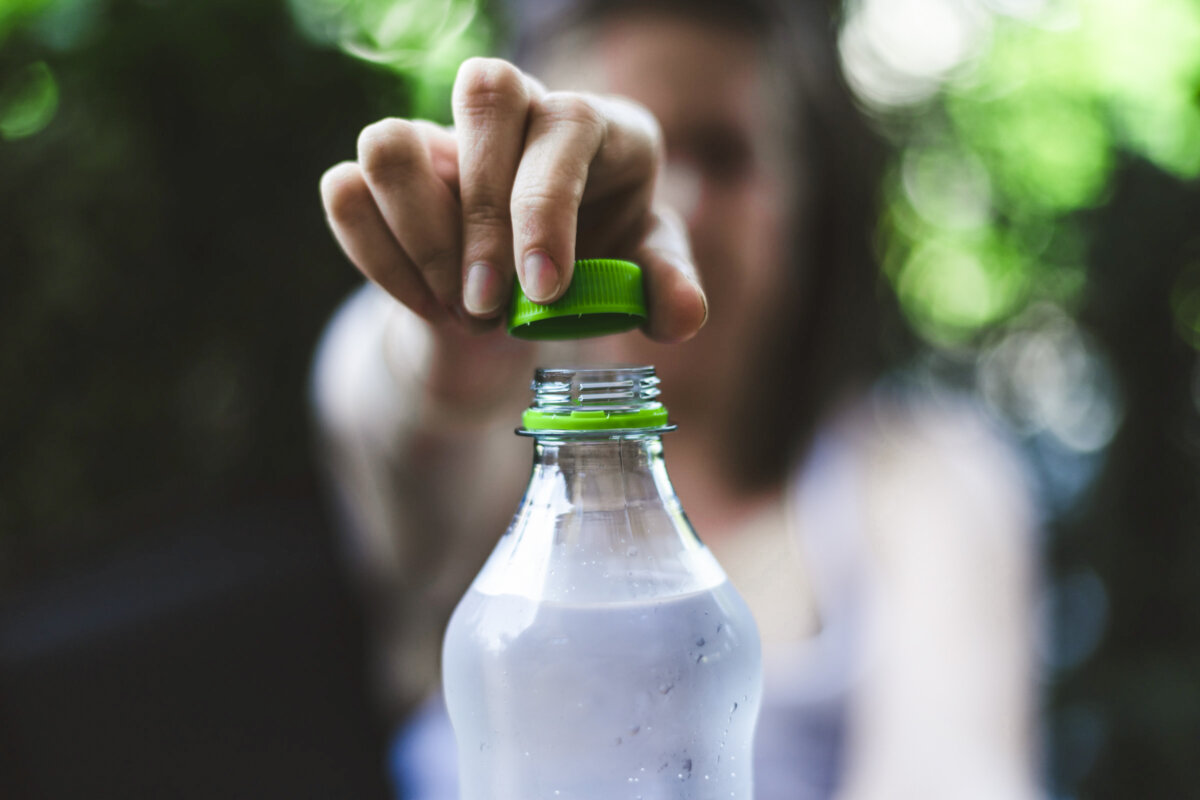
- Bisphenol A (BPA) (found in water bottles and inside metal food cans) has been found to act on the heart, cause cardiovascular disease, and reduce fertility and egg viability in women.
Transgenerational Effects
Obesogens also have the potential to epigenetically reprogram genetically inherited thresholds for body composition and weight, according to a 2022 review published in Biomolecules. Epigenetics refers to how cells control gene activity without altering the DNA sequence.
Critical development periods, such as fetal development, early life, and puberty, are the most sensitive periods for obesogen exposure. While subtle epigenetic changes may be detectable at birth, their effects might not become apparent until later in life. The latency between exposure and weight gain can span from months to decades, according to the International Journal of Obesity review.
By affecting gene expression, obesogens even alter the function of metabolic tissues, making individuals more sensitive to diet-induced weight gain and less responsive to weight loss. The review authors explained that obesity could potentially be prevented by reducing exposure to obesogens in utero, early life, and throughout the lifespan.
Obesogen exposure can occur via air, water, food, skin contact, or dust inhalation, according to the authors.
How to Prevent Exposure
It’s very hard to avoid obesogens, said Dr. Misra, since “a lot of these products have been banned in the U.S. but are still found in containers, furniture, and even products we put on our bodies like lotions and makeup.
“However, growing your own food, using non-BPA or glass containers, drinking spring water or using glass water bottles, and being diligent about checking food and packaging labels can help limit exposure,” she said.
Mpho Tshukudu, an integrative and functional nutritionist in South Africa, told The Epoch Times that eating whole organic foods can help clear toxins from the body due to their high fiber and phytonutrient content. She further recommends consuming locally grown and raised food whenever possible.
“Toxins are stored in adipose tissue, so if consuming poultry or meat not sourced from grass-fed animals, it is advisable to trim off the fat,” said Ms. Tshukudu.
She also suggests increasing the intake of sulfur-rich foods such as cruciferous vegetables, coriander, parsley, spirulina, and dandelion root tea.
Also, avoid microwaving foods or liquids in plastic containers and exercise regularly to promote sweating.
It’s important to keep close tabs on our environment and risk of exposure, Lena Beal, a registered dietitian and spokesperson for the Academy of Nutrition and Dietetics, told The Epoch Times.
“Minor disruptions can cause significant developmental and biological effects. Taking care to watch what we ingest and expose our bodies to is key to maintaining good health,” she said.