



In our mini-series “The Art of Sprouting,” we have covered growing sprouts and microgreens for salads in Part 1 and sprouting grains for better digestibility in Part 2. However, sprouting isn’t limited to seeds and grains—you can also soak and sprout raw nuts, beans, and lentils.
In fact, there are a couple of reasons why you should: to improve their flavor and lower the tannin content in your diet.
You may have heard that tannins are beneficial—and that’s true. However, excessive intake can be harmful.
The Role of Tannins
Tannins play an important role in health, offering antioxidants and protective benefits that help reduce inflammation, support heart health, and lower blood pressure.
They also function as natural preservatives, improving food stability and texture, which is why they are commonly used in the food industry.
Many common foods and beverages contain naturally occurring tannins, including fruits and vegetables, tea, juice, and chocolate. Nuts and legumes, however, contain higher concentrations than most other foods.
While beneficial in moderation, excessive tannin intake can also act as an antinutrient—a natural compound that reduces the body’s ability to absorb essential nutrients—irritating the gastrointestinal lining and reducing the absorption of essential minerals such as copper, iron, and zinc.
Almonds, hazelnuts, and walnuts contain tannins that bind to these minerals to varying degrees, making them harder for the body to absorb. This becomes especially important for people at risk of mineral deficiencies or those wanting to improve nutrient absorption.
Tannin Levels Vary in Nuts and Legumes
Different types of nuts and legumes vary in tannin levels, significantly affecting their digestibility and mineral content. Understanding these differences can help you make informed choices to improve your nutrition.
Nuts and legumes with higher tannin content benefit from soaking to reduce antinutrient levels.
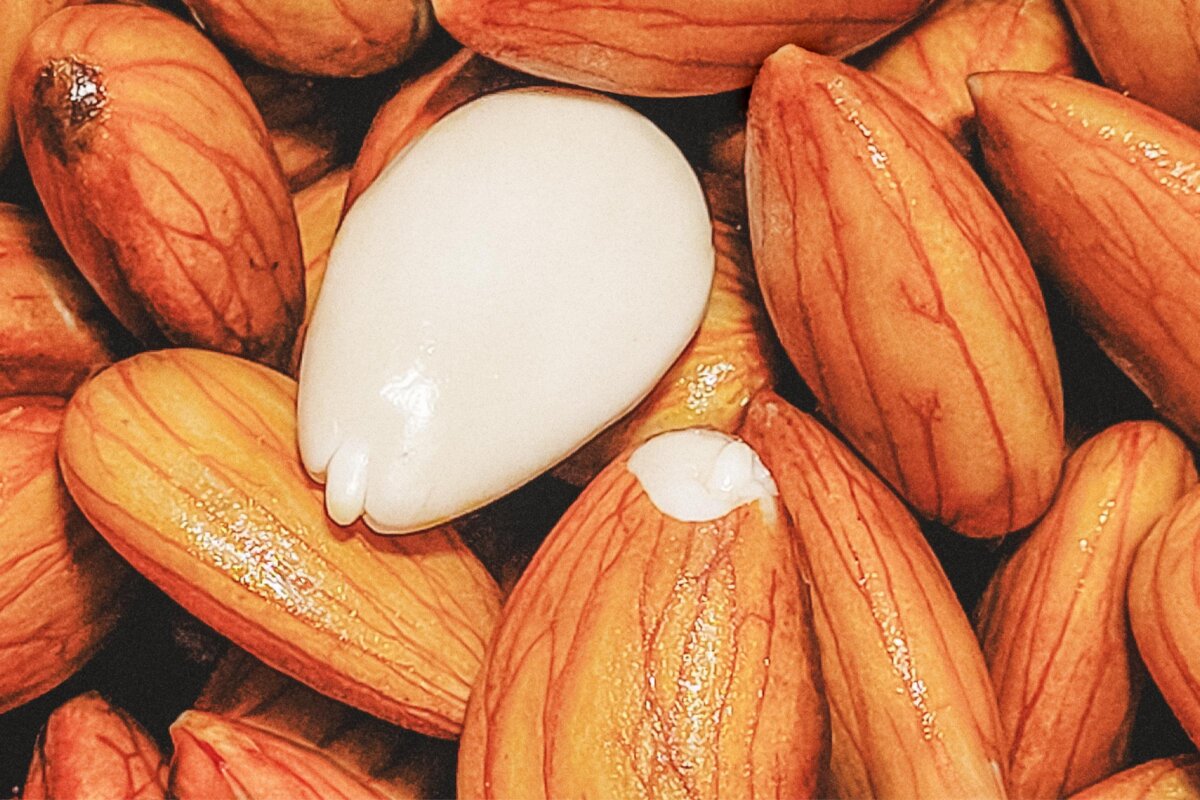
Removing the skins from nuts reduces their tannin levels. For instance, almonds with skins contain 239 milligrams of phenolic compounds per 100 grams, compared with just 47 milligrams per 100 grams in skinless almonds. Tannins are a subgroup of phenolic compounds, which are plant-derived metabolites that protect the plant from stress and act as natural antioxidants.
In peanuts, the difference is even more pronounced: Tannin levels are 60 to 120 times higher when the seed coating remains intact.
Hazelnut skin has 577.7 milligrams of phenolic compounds (including tannins) per gram. In contrast, when the inner kernel remains intact and the skin is removed, the level drops to 13.7 milligrams per gram.
Achieving a balance in tannins allows you to enjoy their health benefits while minimizing interference with nutrient absorption.
Soaking and sprouting are effective techniques for lowering tannin levels while enhancing nutritional value. Most nuts and legumes, including beans, lentils, and peanuts, can be sprouted and certainly soaked.
A Note About Nuts
Not all nuts sprout reliably. Most germinate only if their shells are intact; if damaged, they may rot. Almonds, cashews, and hazelnuts can be soaked and sprouted, while walnuts and pecans are generally best only soaked. Ensure nuts are raw and unpasteurized, as roasting, pasteurization, or fermentation will prevent sprouting.
Effective Methods to Reduce Tannins
Tree nuts, lentils, beans, and peanuts are nutrient-dense, shelf-stable staples and, in many cases, affordable sources of protein.
Because of their tannin content and dense structure, researchers continue to evaluate processing methods to improve digestibility. A 2023 study comparing soaking, sprouting, and cooking methods found that soaking beans overnight followed by pressure cooking reduced tannins most effectively. Soaking overnight and then cooking them as usual ranked second, while sprouting for two days ranked third.
Apart from reducing tannins, soaking and sprouting also improve flavor. Tannins cause bitterness and astringency, contributing to the sharp, acrid taste of nuts and beans—especially when skins or seed coats remain intact.
How to Sprout Nuts and Beans
Sprouting mimics natural germination and serves as a form of “predigestion,” unlocking the nutritional potential of nuts and legumes. As with seeds and grains, sprouting improves digestibility, activates beneficial enzymes, and reduces harmful tannins. The sprouting process is mostly the same.
Beans sprout easily, and even a simple soak helps reduce antinutrients that contribute to bloating and gas. Soaking nuts helps loosen the thin skin surrounding each kernel, which can also improve digestion.
Soaking is sufficient to reduce the content of harmful antinutrients in your nuts and legumes, while the somewhat longer sprouting process improves digestibility, increases enzyme activity, and maximizes nutrient absorption.
To get started, all you need is raw nuts or beans, a bowl, and water. Make sure you choose a bowl large enough to allow for the beans’ expansion during soaking.
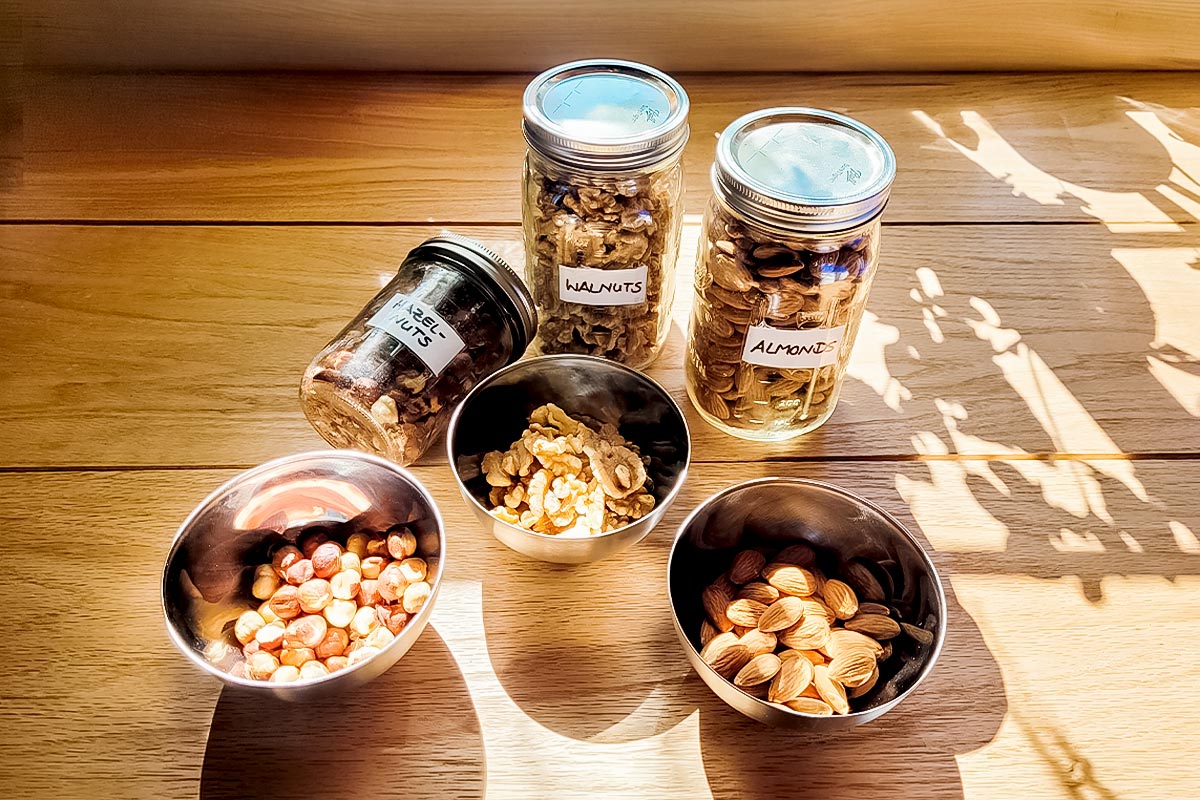
Step 1: Add the desired amount of your preferred raw nuts or beans to the bowl and cover completely with water. Filtered or distilled water works best; please avoid using chlorinated water.
Step 2: Check after a few hours to make sure all the beans and nuts are still fully submerged.
Step 3: Soak for six to 12 hours, then drain and replace with fresh water. Soak again for another six to 12 hours.
Step 4: Repeat this soak-and-drain cycle up to four times—for a total of 48 hours—if reducing tannins is the primary goal. After the final soak, rinse thoroughly and proceed to drying.
Step 5: For full sprouting, continue rinsing and draining two to three times per day until a sprout about 1/4 inch long appears. Sprouting may take longer for nuts than for beans.
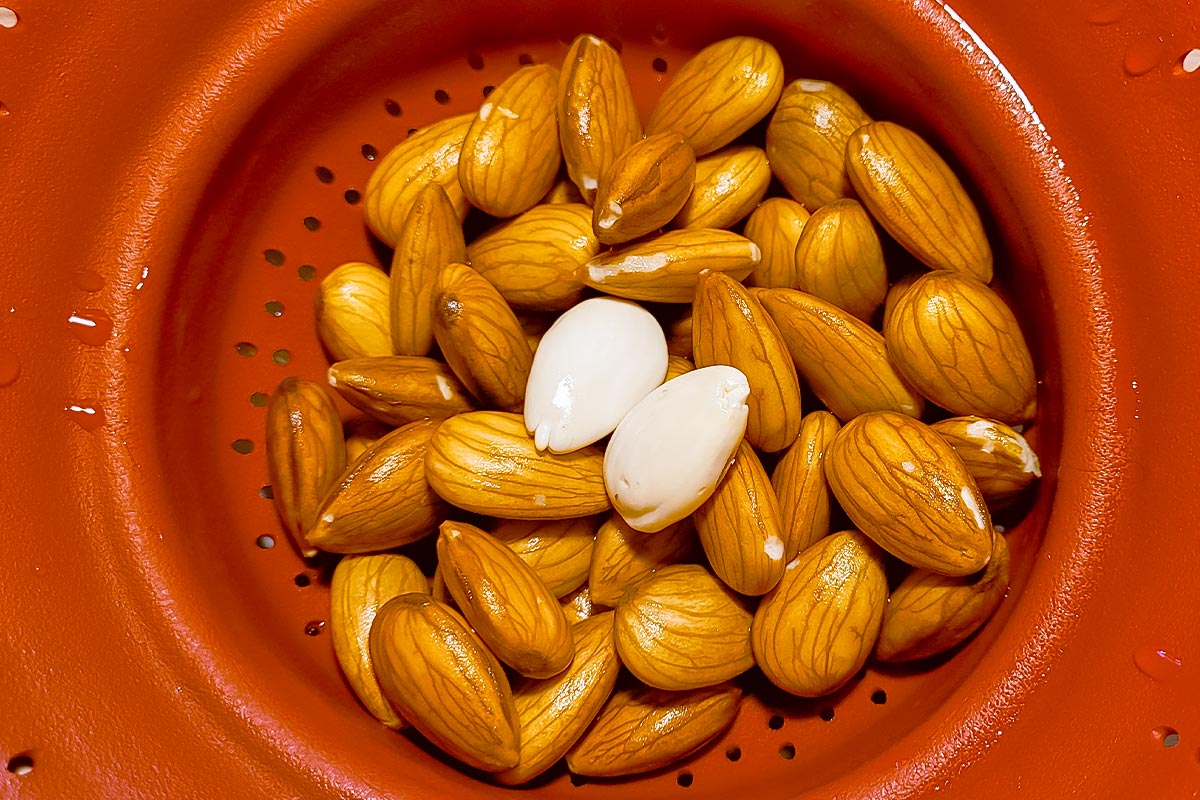
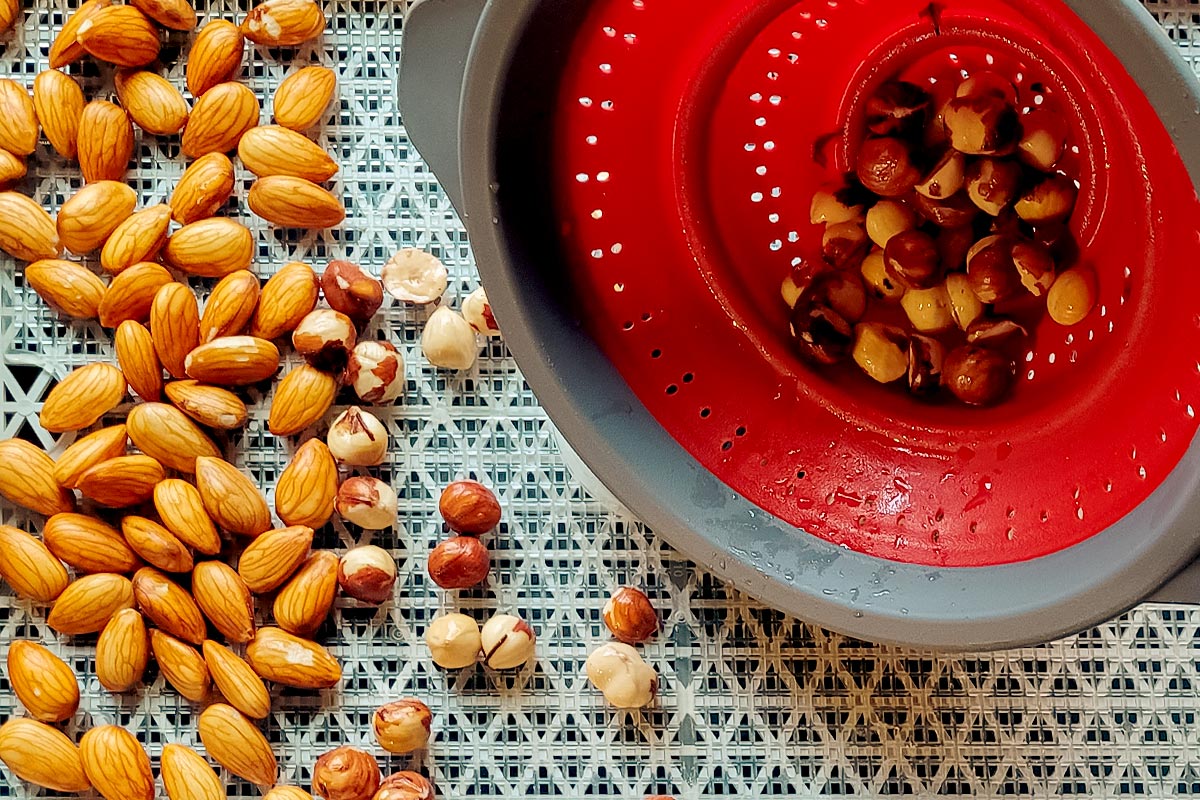
Step 6: At this stage, beans are ready for cooking or further processing, such as drying and milling into flour. Nuts must also be completely dried before storing in airtight containers in a cool, dry pantry or dark cupboard for up to six months.
Step 7: Dehydrate the nuts in a dehydrator or a low-temperature oven at around 95 to 130 degrees Fahrenheit. I set my dehydrator to 95 degrees Fahrenheit for eight hours.
Safety Note
Always check your nuts and legumes for mold. Because sprouting occurs in warm, humid conditions, they can become susceptible to mold and foodborne bacteria, including E. coli, Listeria, and Salmonella. To minimize risk, cook your sprouted beans as soon as possible, or dry them completely before storage.
Sprouting transforms hard-to-digest “seeds” into more digestible, nutrient-dense foods, improving diet quality and supporting better health and vitality.