



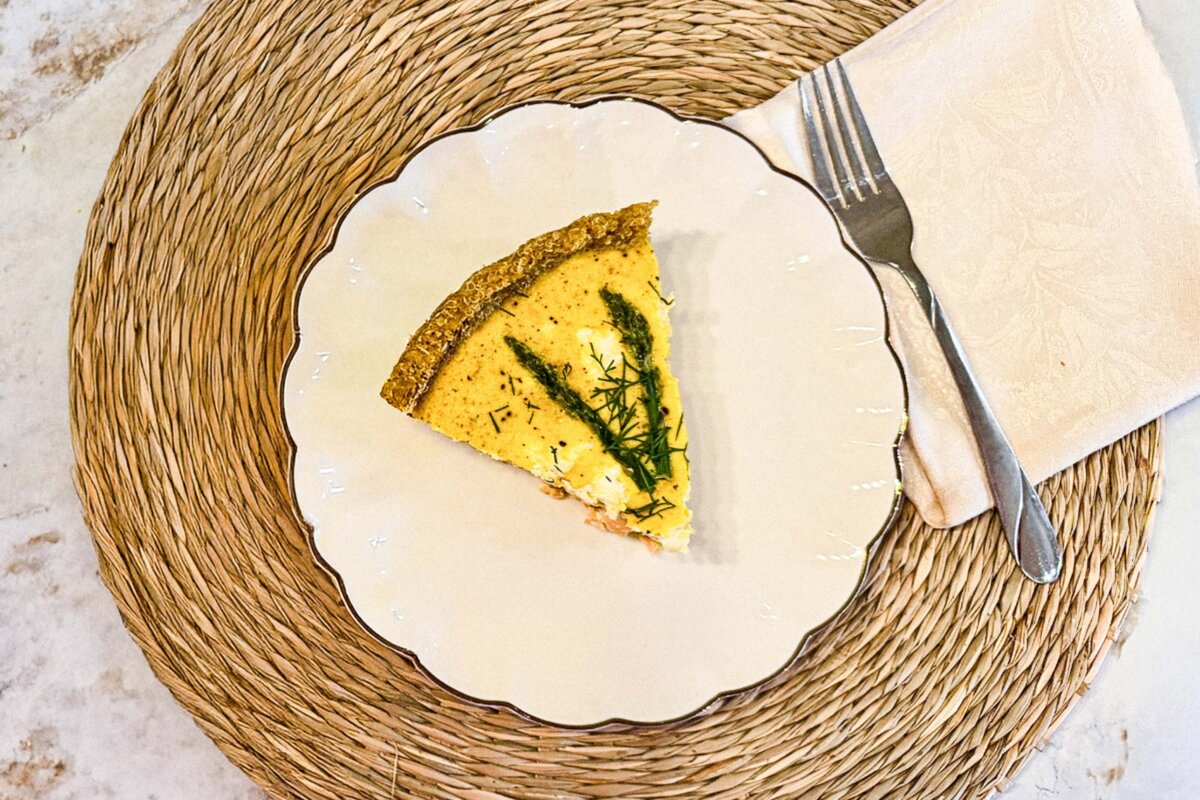
In the United States, Mother’s Day brunch often means a sugary parade of pastries, pancakes, and mimosas followed by the inevitable energy crash. This year, consider giving Mom a nourishing alternative: one of these three savory, lower-carb dishes. Each uses whole‑food ingredients, delivers high protein, and keeps carbohydrates well below the levels of standard American fare, while still feeling celebratory.
These recipes are perfect for Mother’s Day, but they’re also built for everyday make‑ahead and breakfast‑for‑dinner options year‑round. Each recipe offers a different level of effort and a distinct nutritional edge, so choose the one that fits your morning:
- Brunch Slow-Cooker Chorizo and Veggie Frittata: Blood-sugar-steadying, gut- and keto-friendly
- Make-Ahead Salmon and Goat Cheese Quiche With a Quinoa Crust: Brain-nourishing, blood‑sugar friendly, and moderately low-carbohydrate
- Easy Stovetop Shakshuka (With a Plant-Based Option): Anti‑inflammatory, antioxidant-rich, gut‑friendly, and moderately low-carbohydrate
If Mother’s Day ends in a nap on the couch, it should be by choice—not because of a blood sugar crash.
Brunch Slow-Cooker Chorizo and Veggie Frittata
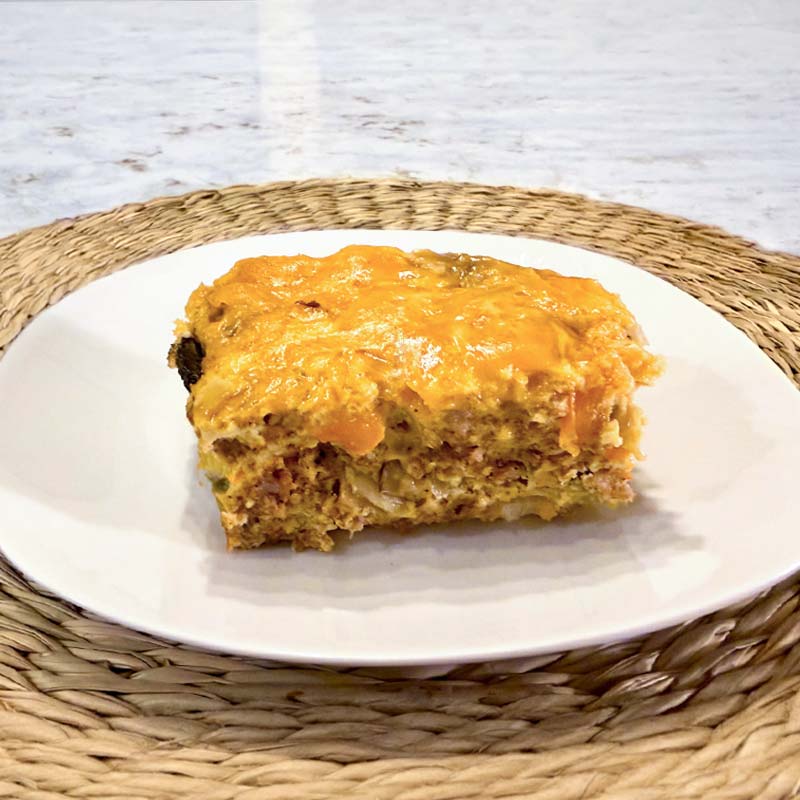
If the goal is maximum ease with minimum morning effort, this slow-cooker recipe delivers. Assemble it when you get up, and it’s ready for brunch.
The hardest part of making this dish is finding a quality chorizo. Many options contain a surprising number of additives such as sugars, corn syrup, excess sodium or potassium chloride (a synthetic salt substitute), monosodium glutamate, artificial or undisclosed natural flavors, seed oils, and preservatives such as butylated hydroxyanisole and propyl gallate. Look for chorizo with a short, recognizable ingredient list—ideally just meat, salt, and spices—or make your own.
Once you’ve settled on the chorizo, a medley of colorful nonstarchy vegetables—bell peppers, jalapeño, mushrooms, and onions—provides antioxidants, anti-inflammatory compounds, and fiber that help feed beneficial gut microbes and support steadier blood sugar to keep Mom comfortably full through the morning.
Recipe
A hearty, low-carbohydrate breakfast that cooks itself while you enjoy a slower morning.
Prep Time: 15 minutes
Cooking Time: 3 hours
Serves 8
Equipment Needed: Slow cooker (4 to 6 quart)
Ingredients
- 1 tablespoon olive oil
- 1 pound chorizo
- 1 medium onion, chopped
- 1 red or orange bell pepper, chopped
- 1 small jalapeño, minced
- 1 cup sliced mushrooms
- 10 large eggs
- 1/2 cup milk (or half-and-half or cashew milk)
- 1 teaspoon sea salt
- 1/2 teaspoon ground black pepper
- 1/2 teaspoon cumin seeds, crushed
- 1 cup shredded cheddar cheese (regular, nondairy, or goat)
Instructions
Step 1: Lightly grease the slow cooker with oil.
Step 2: Heat a large skillet over medium heat. If the chorizo is in a casing, remove it from the casing. Cook the chorizo in the skillet, breaking it up with a spatula, until browned and cooked through. Drain off any excess fat and transfer to the slow cooker.
Step 3: Add the onion, bell pepper, jalapeño, and mushrooms to the slow cooker.
Step 4: In a large bowl, whisk together the eggs, milk, salt, pepper, and cumin seeds. Pour the egg mixture over the chorizo and vegetables, stirring gently to evenly distribute.
Step 5: Sprinkle the cheese over the top.
Step 6: Cover and cook on low for three hours, until the eggs are set in the center and the vegetables are tender.
Step 7: Let stand for 10 minutes before slicing into squares and serving.
Variation Tip: For a milder, more kid‑friendly flavor, substitute breakfast sausage for the chorizo and swap a small zucchini for the jalapeño.
Leftover Tip: Crumble some of the frittata, reheat it, wrap it in a tortilla, and top with your favorite salsa.
Make-Ahead Salmon and Goat Cheese Quiche With Quinoa Crust
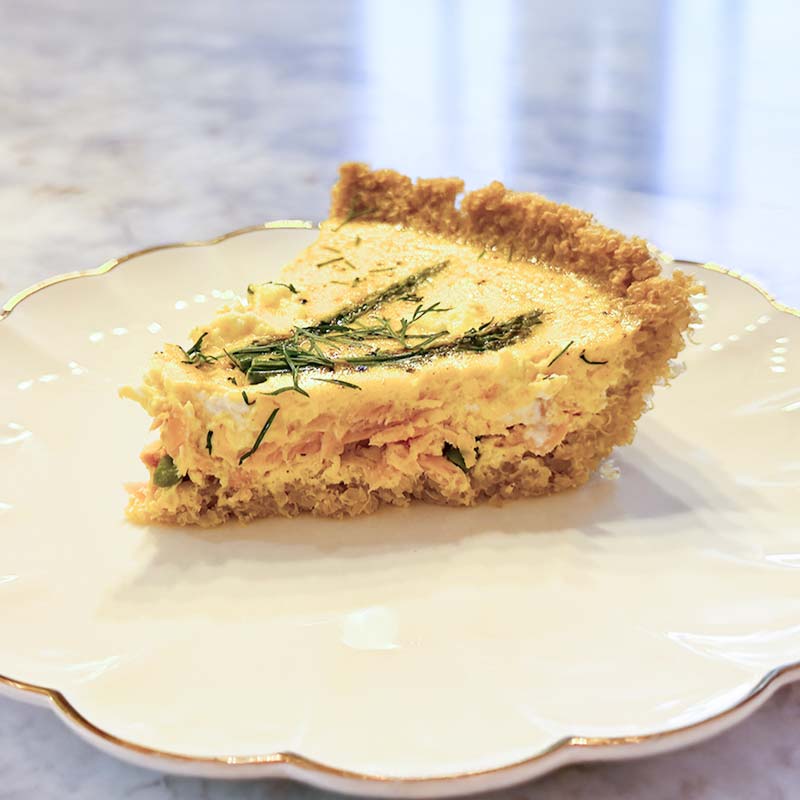
For something a bit more elegant, this make-ahead quiche delivers.
This quiche brings together high‑protein, brain‑ and blood‑sugar‑supportive ingredients:
- Wild-Caught Salmon: Provides omega-3 fatty acids—eicosapentaenoic acid and docosahexaenoic acid—along with vitamin D and choline, key nutrients for brain health, mood, and insulin sensitivity.
- Eggs: Offer high-quality protein, choline, and vitamin D to support cognitive function, satiety, and more stable blood sugar.
- Quinoa: Supplies protein, fiber, and complex carbohydrates with a lower glycemic effect than a traditional pastry crust, supporting more stable blood sugar and longer-lasting energy.
Recipe
This quiche can be baked the night before and gently reheated for an easy, low-carbohydrate Mother’s Day breakfast. Using precooked quinoa saves about five minutes of active time and 40 minutes of total time.
Prep Time: 25 minutes
Cooking Time: 1 hour, 10 minutes
Serves 6
Equipment Needed: 9-inch quiche or pie pan
- 2/3 cup white quinoa
- 1 1/3 cup filtered water
- 1 tablespoon ghee (or butter or olive oil)
- 6 large eggs, divided
- 12 thin asparagus spears
- 8 ounces cooked or canned wild-caught salmon (or smoked)
- 3 ounces goat cheese (chevre) or feta
- 1/4 cup fresh chives or scallions
- 3/4 cup half-and-half
- 1/2 teaspoon sea salt
- 1/4 teaspoon ground black pepper
- 1 tablespoon Dijon mustard
- 1 1/2 tablespoons chopped fresh dill
Step 1: If not using precooked quinoa, rinse it well until the water runs clear. Toast in a saucepan over medium heat until dry, then add filtered water and bring to a boil. Reduce the heat, cover, and simmer for about 15 minutes, until the grains are translucent. Remove from heat and let rest, covered, for 10 minutes, then uncover and cool slightly.
Step 2: Preheat the oven to 375 F and grease a pie pan with ghee (or butter or olive oil).
Step 3: Beat one egg and pour it into the quinoa. Press the mixture into the pan to form a crust. Bake for about 15 minutes, until lightly golden and firm. Reduce oven temperature to 325 F.
Step 4: Prepare the asparagus by snapping off the woody ends. Cut 3-inch tips from each spear and set them aside for garnish. Chop the remaining stalks into 1-inch pieces.
Step 5: Spread the 1-inch asparagus pieces evenly across the crust. Top with salmon, goat cheese, and chives or scallions.
Step 6: Whisk the remaining eggs with half-and-half, salt, pepper, and Dijon. Pour over the filling, then arrange the asparagus tips on top in a decorative pattern.
Step 7: Bake for about 45 minutes, or until a knife inserted in the center comes out clean. Garnish with dill and let rest for at least 10 minutes before serving.
Easy Stovetop Shakshuka (With a Plant-Based Option)
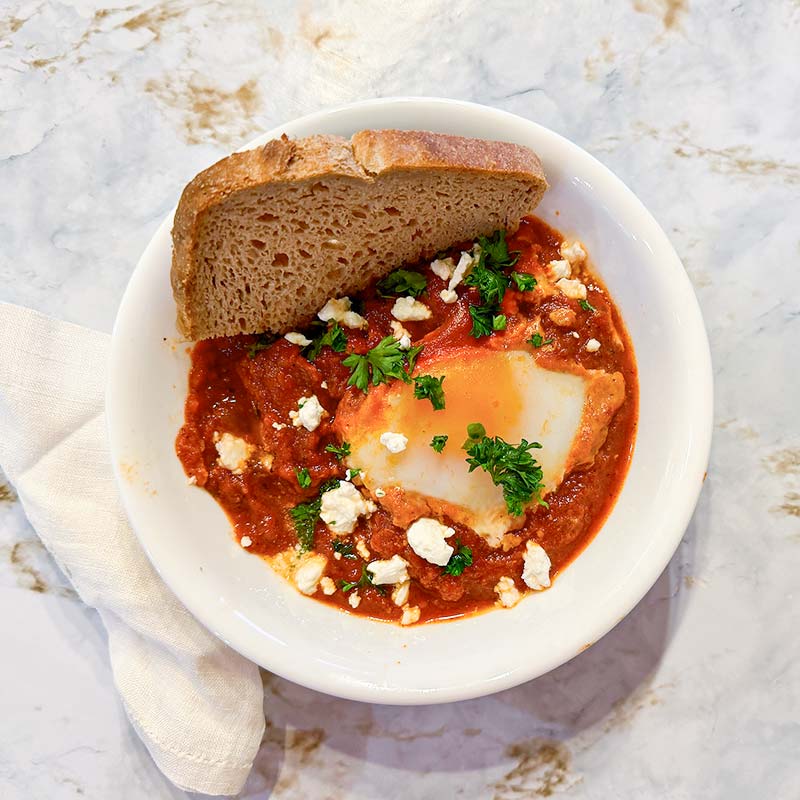
Shakshuka is a traditional North African and Middle Eastern dish of eggs poached in a spiced tomato-and-pepper sauce. It’s simple enough for everyday meals yet special enough for company. It’s traditionally eaten with bread, such as naan or pita, to sop up the sauce, but I often use my homemade grain‑free bread.
In this version, several ingredients contribute to its health benefits:
- Tomatoes: Provide lycopene and polyphenols linked to anti-inflammatory and antioxidant effects and a potentially lower risk of certain cancers when tomatoes are eaten as a whole food.
- Za’atar: Contains a blend of herbs, seeds, and spices that provide antioxidants and polyphenols that support gut microbiota balance, intestinal barrier function, and reduced inflammation.
- Garlic and Onion: Offer plant compounds and prebiotic fiber that help reduce inflammation and cell-damaging oxidative stress while supporting a healthy gut microbiome and gut lining.
- Extra-Virgin Olive Oil: Contains oleic acid and polyphenols, which help support a healthier gut microbiota and gut barrier integrity through short-chain fatty acid production linked to improved metabolic health.
Together, these ingredients create a rich, warmly spiced shakshuka with only 10 minutes of prep time.
How to Make Stovetop Shakshuka
For bold flavor and a stovetop option, this shakshuka recipe rounds out the menu.
Prep Time: 10 minutes
Cook Time: 30 minutes
Serves 4 to 6
Equipment Needed
- Blender
- Large skillet with a lid, ideally glass for monitoring
Ingredients
- 1 (28-ounce) can tomatoes
- 16-ounce jarred roasted red peppers, divided
- 1/2 cup cooked or canned chickpeas
- 2 tablespoons extra-virgin olive oil
- 1 small onion, chopped
- 2 cloves garlic, minced
- 1 tablespoon tomato paste
- 1 tablespoon za’atar seasoning
- 1 teaspoon Aleppo pepper (adjust to taste)
- 6 to 8 eggs
- 1/2 cup chopped parsley or cilantro
- 2 ounces goat cheese or feta
Instructions
Step 1: Blend the tomatoes, one cup of roasted red peppers, and the drained and rinsed chickpeas until smooth. Chop the remaining peppers and set aside.
Step 2: Heat oil in a large skillet over medium heat until hot but not smoking. Add the onion and sauté for about three minutes until slightly softened.
Step 3: Add garlic, tomato paste, za’atar, and Aleppo pepper. Stir and bloom for 30 to 60 seconds until fragrant.
Step 4: Add the blended mixture and chopped peppers. Cover and simmer for 10 to 15 minutes, until slightly thickened.
Step 5: Remove from heat and use the back of a spoon to create small, shallow wells (one for each of the eggs) in the sauce.
Step 6: Crack each egg into a small bowl, then gently pour into wells. Spoon a bit of sauce around the whites, leaving the yolks exposed.
Step 7: Return to medium heat, cover, and simmer for seven to 10 minutes, until the whites are set.
Step 8: Remove from heat, sprinkle with herbs and cheese, and serve immediately.
Variation Tip: For an even more fiber‑rich, gut‑supportive plant‑based version, swap the eggs for 1 to 1 1/2 cups of chickpeas and serve with whole‑grain or sprouted bread to create a complete plant-based protein.
Prep Tip: Rinsing canned chickpeas well until the water runs clear helps reduce saponins and other compounds sometimes described as antinutrients. When using dried chickpeas, soaking overnight and cooking them thoroughly can further reduce these compounds, with soaking and pressure‑cooking providing the greatest reduction.
For more on proper legume preparation to minimize antinutrients, see this article.