



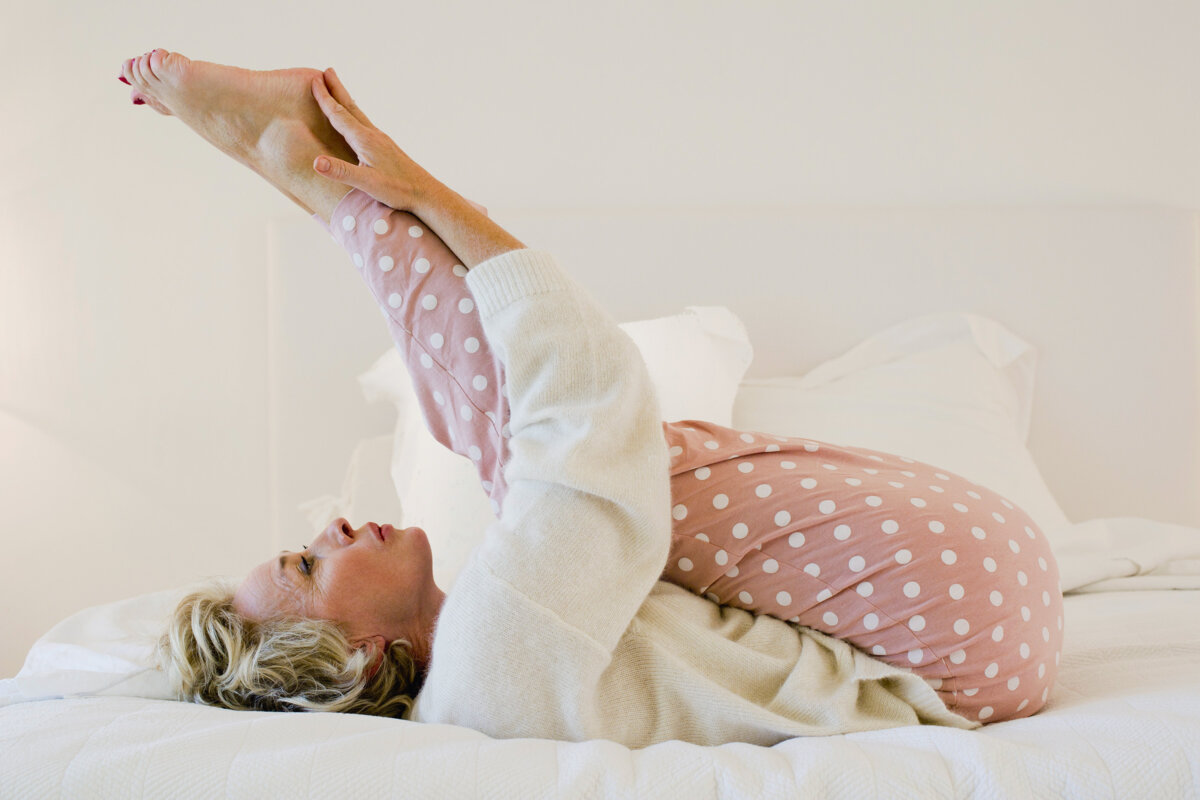
In the name of better sleep and a genuine thirst to research their effects on posture, my family has explored an amazing variety of pillows over the years. We have tried every pillow imaginable, from pillows stuffed with foam to pillows stuffed with feathers, buckwheat husks, and even kapok. Kapok, if you are wondering, is a plant-based alternative to natural down. We have even tried pillows stuffed with real wool, and I can honestly say that I have never woken up from a night sleeping on a wool pillow feeling sheepish.
Yes, pillows are great for sleeping once you find one that works well for you, but in the clinic and especially in home health, we have discovered another great use for pillows of all shapes and sizes: exercising.
Pillows are fantastic for facilitating exercise and have many benefits in that role: You can’t break them, they cause no damage or harm if dropped, they are easy to hold and manipulate, and pretty much all of you will have several of them in your home to choose from. Despite their ease of use and general availability, pillow-based exercises can give you an amazing workout. The ones I’ve selected for you are sane but solid and can net you real gains. The best thing about them? If you are tired after exercising, you can just put the pillow under your head and take a nap.
5 Easy Pillow Exercises to Fluff Up Your Health
The following exercises will provide a safe, effective workout, and I believe that they are quite handy. They work well for my patients, and I also perform them frequently. I suggest using standard pillows for these exercises and avoiding full-length body pillows, although I cannot help but smile at the thought of someone wrestling with one during exercise. Most pillows will do, as long as they are not too big and ungainly. You can also use throw pillows and decorative pillows, including your favorite cat- and Elvis-themed varieties. Whatever pillow works best for you is the best one to use.
I do suggest that you confer with your medical provider before trying these exercises, just to be sure that they are right for you.
1. Knee-to-Pillow Touches
This exercise is great to start with because all you have to do is reposition yourself slightly in bed and then start working out. It’s a yawn-stretch-gimme 20 exercise.
Step 1: Lie on a supportive surface and stretch your arms straight out toward the headboard or the wall behind you, holding the pillow between your hands. Bend your hips to approximately 75 degrees of hip flexion with your knees straight.
Step 2: Keeping your head down, bring your arms toward your legs while bending your knees and drawing them toward the pillow.
Step 3: Touch the pillow to your knees, then lower your arms back down while straightening your legs, then return your hips to approximately 75 degrees of hip flexion.
Step 4: Touching the pillow to your knees counts as one repetition. Try to complete three sets of 15 repetitions.
Modifications: If you cannot maintain your hips at 75 degrees of flexion—and it will be hard at first—feel free to place your feet back down between pillow touches. It will still be a very considerable workout, but it’s better tolerated by certain people.
Why I Like Them: Knee-to-pillow touches are a great start-of-the-day exercise. They’re not overly strenuous and provide a great warmup for the exercises to come while also being an excellent standalone exercise.
2. Hand-and-Foot Pillow Handoff
Now that you are warmed up, let’s move into another exercise that ups the ante regarding trunk activation and arm movement.
Step 1: Lie flat on your back with a pillow held between both hands. Stretch your arms overhead as far as you can and straighten your legs.
Step 2: Bring your arms and legs toward each other at the same time, and hand the pillow from your hands to between your feet. Immediately lower your arms and legs back to the starting position while holding the pillow between your feet.
Step 3: Lift your arms and legs again, this time handing the pillow back to your hands before lowering your arms and legs back down again.
Step 4: Handing the pillow off between your hands and feet counts as one repetition. Try to perform three sets of 12 repetitions.
Modifications: If you struggle to move your arms and legs through full movement arcs, just move them through as much of an arc as you can. As you get stronger, you may be able to move even farther.
Why I Like It: The hand-and-foot pillow handoff significantly engages your body from your head to your knees and is quite effective.
3. Pillow Glute Bridges
Glute bridges are excellent in their own right, providing great core strengthening. Adding a pillow to the mix can make them even better.
Step 1: Lie on a flat surface with your arms by your sides, bend your knees to approximately 90 degrees, and place your feet flat on the floor. Place a pillow between your knees.
Step 2: Squeeze the pillow tightly with your knees and slowly lift your hips until your body is in a straight line between your knees and your shoulders. Hold this position for 15 seconds before lowering back down.
Step 3: Raising up and then lowering back down counts as one repetition. Try to perform three sets of five repetitions.
Modifications: If you can’t move your trunk all the way up, just move up as far as you can.
Why I Like It: The pillow glute bridge provides extra work for your leg adductor muscles, which are often neglected.
4. Supine Pillow Pass
Now that we have thoroughly warmed up with dynamic up-and-down movements, let’s try a positional hold. The supine pillow pass encourages trunk stabilization and substantial arm movement.
Step 1: Lie down, flex your hips and knees to 90 degrees, and lift your shoulders off the surface.
Step 2: Holding this position, pass the pillow hand-to-hand, traveling around the circumference of your thighs.
Step 3: One pass around your legs with the pillow counts as one repetition. Try to perform three sets of 15 repetitions.
Modifications: If you cannot bring your legs all the way up to 90 degrees of hip and knee flexion, just bring them up as far as you can.
Why I Like It: The supine pillow pass does not provoke much trunk movement, but the movement it does provoke is sensational for your body.
5. Russian Twist With Pillow
Let’s try performing the classic Russian twist exercise using a pillow. It may sound funny at first, but wait until you feel your abs kicking in.
Note: Using a pillow for this exercise makes it slightly cumbersome—and that’s actually what I want. Don’t worry, the more you practice this exercise, the better you will get at it.
Step 1: Sit with your knees bent to approximately 45 degrees of flexion. Keep your trunk upright and hold the pillow on your lap with both hands.
Step 2: Move the pillow to the right as you rotate your trunk, then touch it to the surface beside you.
Step 3: Immediately rotate your trunk to the left and touch the pillow to the surface beside you.
Step 4: Touching the pillow on each side counts as one repetition. Try to perform three sets of 20 repetitions.
Modifications: If you cannot rotate very far, just rotate as far to each side as you can. Feel free to modify the sets and repetitions to make them work best for you. Want to make it a bit more challenging? Hold your feet off the surface while performing the movement.
Why I Like It: This exercise possesses all of the benefits of the traditional Russian twist … with a twist!
These pillow exercises, performed routinely, can awaken greater strength, flexibility, and endurance and help improve your quality of life. I recommend performing them at least three times per week, and ideally, five. I feel that five days per week is an easy goal because you basically wake up every day with a pillow within arm’s reach, and if you start using it immediately for exercise, you will not have to build up your motivation later. Good luck, and I hope these exercises work well for you.
About the Fitness Model: Aerowenn Hunter is a health editor for The Epoch Times. She’s an accredited yoga therapist with more than three decades of teaching experience.
Views expressed in this article are the opinions of the author and do not necessarily reflect the views of The Epoch Times. Epoch Health welcomes professional discussion and friendly debate. To submit an opinion piece, please follow these guidelines and submit through our form here.