



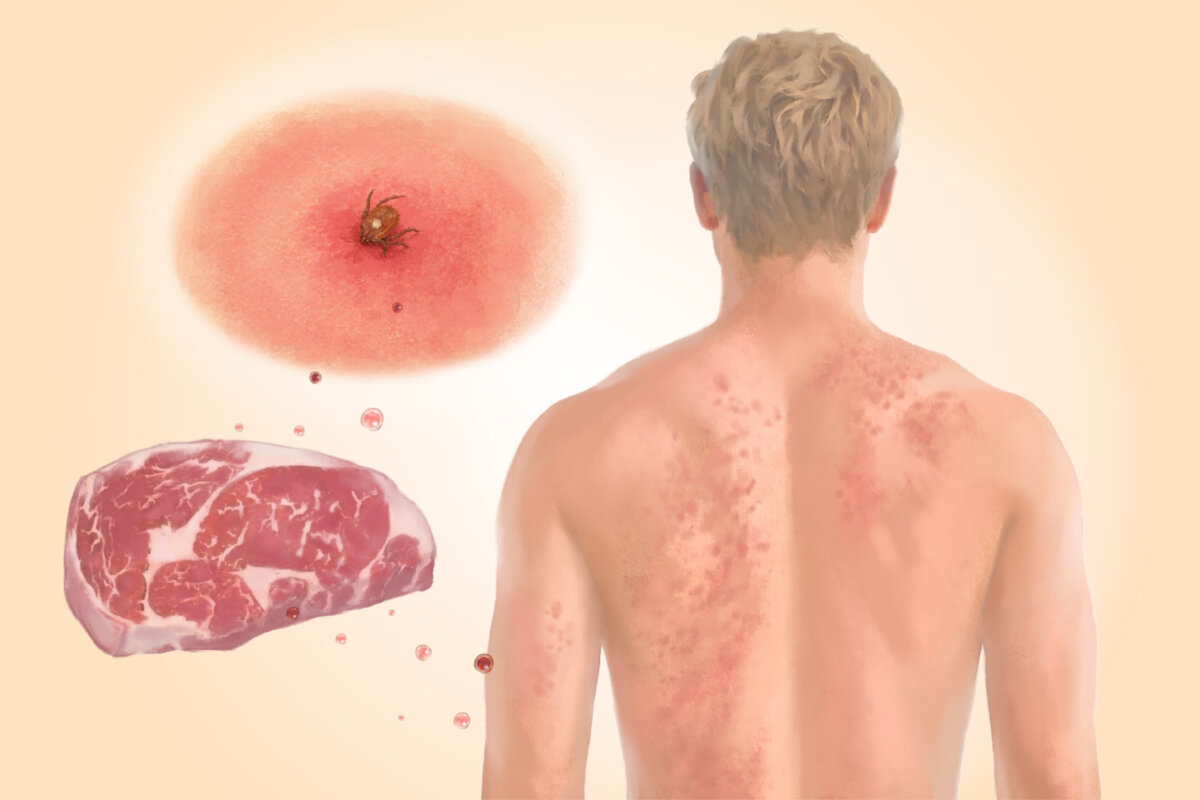
As tick season returns and more people head outdoors, a lesser-known condition is getting renewed attention: alpha-gal syndrome (AGS). Often called the “red meat allergy,” AGS is an unusual allergic reaction.
After a tick bite, the body can become sensitive to alpha-gal, a sugar molecule found in most mammal meat. Everyday foods such as beef, pork, and lamb can cause delayed and sometimes serious allergic reactions. Some medications and products made from animal ingredients may also contain alpha-gal.
The true number of people affected in the United States is unknown, as AGS cases are not required to be reported nationally to the Centers for Disease Control and Prevention. Estimates suggest that up to 450,000 people may have the condition, making AGS the 10th most common food allergy in the United States.
What Causes Alpha-Gal Syndrome?
AGS is triggered by a carbohydrate called alpha-gal (galactose-alpha-1,3-galactose), found in most mammals such as cattle, pigs, and deer.
When a tick feeds on deer or cattle, it picks up alpha-gal from the mammal’s blood. If the same tick later bites a human, it can transfer alpha-gal through its saliva into the person’s bloodstream. In some people, the immune system responds by producing immunoglobulin E (IgE) antibodies against alpha-gal, a process known as sensitization. Subsequent exposure to alpha-gal through food, dairy, or certain medications can then trigger an allergic reaction.
In the United States, AGS is most commonly linked to bites from the lone star tick. However, other ticks—such as the blacklegged tick, western blacklegged tick, and, in regions such as East Asia, the Asian longhorned tick—can also spread alpha-gal.
Unlike other tick-borne illnesses, such as Lyme disease, AGS is not an infection—it’s an immune response. Although it can be life-threatening, people who successfully avoid triggers can generally manage the condition safely.
AGS may also be associated with other exposures. Tiny biting parasites called chiggers—the larval stage of certain mites that feed on mammals—could potentially carry alpha-gal and contribute to sensitization. Additionally, exposure to the parasitic worm Ascaris lumbricoides, found worldwide but more common in tropical and subtropical regions, has been identified as the strongest non-tick-related factor.
The following are risk factors for AGS:
- Tick Bites: The primary environmental risk factor. Spending time in tick-prone habitats increases the likelihood of bites.
- Elevated Alpha-Gal-Specific IgE: Higher levels of alpha-gal IgE increase the likelihood of allergic reactions upon reexposure.
- Age: Risk increases with age; the highest rates are seen in people older than 70, about three times higher than in children ages 0 to 9.
- Sensitization to Insect Venoms: People with AGS are more likely to experience systemic reactions to insect stings and are about five times more likely to be sensitized to multiple venoms, such as those from bees, wasps, hornets, and fire ants.
- Non-B Blood Types: Blood type B may offer partial protection against AGS, as its antigen is very similar to alpha-gal, making it less foreign to the immune system. However, this protection is not complete, and people with blood type B can still develop AGS.
Additional causes or risk factors may exist, particularly in areas without known tick carriers.
What Are the Symptoms of Alpha-Gal Syndrome?
Symptoms typically appear two to six hours after one eats products containing alpha-gal, although they may occur even after more than eight hours. Reactions often occur in the middle of the night, which is why AGS is sometimes called “midnight anaphylaxis.” When alpha-gal is administered intravenously through medications, however, symptoms can begin immediately.
The time between the tick bite and the first AGS symptoms can range from one week to several years, with a median of about two months. However, eating certain organ meats, such as kidneys, heart, or liver, may trigger faster reactions.
People may not react every time they eat mammal meat, and symptoms can differ from one episode to the next, even with the same food or product.
Symptoms of AGS include the following:
- Hives or an itchy rash (90 percent experience skin symptoms)
- Nausea or vomiting
- Dizziness or feeling faint
- Loss of consciousness
- Severe stomach pain
- Heartburn or indigestion
- Diarrhea
- Coughing, shortness of breath, or difficulty breathing
- A drop in blood pressure
- Swelling of the lips, throat, tongue, or eyelids
In 60 percent to 75 percent of cases, symptoms progress to anaphylaxis, a rapid, life-threatening allergic reaction affecting multiple systems in the body.
Reactions to alpha-gal are influenced by factors such as alcohol use, exercise, medications such as nonsteroidal anti-inflammatory drugs, illness, stress, lack of sleep, hormonal changes, and recent tick bites.
Less common symptoms have also been reported by patients, including:
- Arthritis
- Migraines
- Fibromyalgia
Over time, sensitivity to alpha-gal may change. Some people become less reactive, especially if they avoid additional tick bites, and may eventually be able to eat meat and other alpha-gal-containing products again. However, others may experience worsening symptoms, particularly after new tick bites. In these cases, people who previously tolerated certain foods, such as dairy, may begin reacting to them or develop new sensitivities, including reactions to cooking fumes.
How Is Alpha-Gal Syndrome Diagnosed?
Unlike typical food allergies that trigger reactions within minutes to an hour, AGS can be delayed by up to eight hours, making the condition easy to miss. The diagnosis can be delayed for years.
Accurate and timely diagnosis is important, as AGS is a growing public health crisis.
Diagnosis is typically made by a board-certified allergist, who reviews medical history, performs a physical exam, and asks about symptoms, diet, and possible tick exposure.
Testing may include the following:
- Specific Immunoglobulin E (IgE) Blood Test: Measures IgE antibodies to alpha-gal. A positive result only shows sensitization and must be interpreted alongside symptoms. Not all people with elevated antibodies develop symptoms after eating mammalian meat.
- Skin Prick Test: A small amount of allergen is placed on the skin, and the surface is lightly pricked. If you are allergic, a reaction such as redness, swelling, itching, or a raised bump appears within about 20 minutes. A positive result doesn’t automatically confirm an allergy; symptoms and exposure history must be taken into account.
- Allergy Skin Testing for Specific Foods: May be used to assess reactions to foods such as beef and pork.
- Food Challenge: A supervised food challenge may be offered in some cases with foods containing alpha-gal, although it is less commonly used because of delayed reactions.
If you seek care, consider bringing information about AGS, as awareness among clinicians remains limited. A 2023 report found that 42 percent of U.S. doctors had never heard of AGS, and among those who had, fewer than one-third knew how to diagnose it.
What Are the Treatments for Alpha-Gal Syndrome?
There is currently no cure for AGS, but its symptoms can be managed with medication.
- Epinephrine (Adrenaline): The first-line treatment for anaphylaxis. People with a known alpha-gal allergy are typically advised to carry an epinephrine auto-injector (such as an EpiPen) or nasal spray at all times, along with antihistamines for milder reactions.
- Antihistamines: Long-acting oral antihistamines such as fexofenadine and levocetirizine may help manage ongoing symptoms. Short-acting antihistamines such as diphenhydramine can also be used as needed. In some cases, an additional H2 antihistamine may also be added to improve symptom control.
- Omalizumab: A monoclonal antibody that targets IgE and is approved to reduce allergic reactions to food allergens. Early research suggests that omalizumab may help reduce AGS symptoms such as chronic hives, although more research is needed.
- Corticosteroids: Short courses (five to seven days) of oral corticosteroids may sometimes be prescribed to help manage acute or recurrent reactions in alpha-gal syndrome, especially when the trigger is unclear.
- Cromolyn Solution: A mast cell stabilizer that may help control persistent gastrointestinal symptoms. It is typically started at a low dose before meals and may be gradually increased up to several times a day as needed.
- Immunotherapy: Involves giving small amounts of an allergen to build tolerance, but it is not currently available for AGS. However, research is ongoing, and oral immunotherapy has shown some promising early results.
People with AGS are also recommended to wear a medical identification bracelet or necklace to alert others to their allergy in an emergency.
What Are the Natural and Lifestyle Approaches to Alpha-Gal Syndrome?
Symptoms can often be managed through lifestyle changes that help reduce or prevent reactions.
1. Avoid Additional Tick Bites
New bites may increase levels of alpha-gal-specific IgE antibodies and worsen sensitivity over time.
2. Avoid Alpha-Gal-Containing Foods and Products
Safe foods include poultry, fish and seafood, eggs, nuts, seeds, beans, and fruits and vegetables. People with AGS may want to avoid some of the following products:
- Mammalian Meats: Including beef, pork, lamb, and venison. Organ meats—especially pork kidney—and high-fat foods can trigger stronger reactions. Although cooking does not eliminate the alpha-gal trigger, it may sometimes reduce how severe a reaction is. Some people also report symptoms when exposed to fumes from cooking meat, although this has not been confirmed in studies.
- Dairy Products: About 5 percent to 20 percent of people with AGS react to dairy products such as cheese, yogurt, and butter, which contain lower levels of alpha-gal than meat. Cow’s milk is the only alpha-gal-containing ingredient that is classified as a major food allergen. Doctors may recommend avoiding dairy if symptoms persist after one eliminates mammalian meat.
- Certain Medications: Many drugs and medical products are made from mammalian-derived materials and may contain alpha-gal, including gelatin-based products and certain vaccines.
- Other Products: Other sources of alpha-gal may include Rocky Mountain or prairie oysters, gelatin, glycerin, magnesium stearate, and bovine extract. Some dishes cooked in animal oils, such as lard, or in gravies may also cause an allergic reaction.
- Animals: Mammal pet saliva and dander may trigger an allergic reaction in people with AGS.
3. Tips for Daily Living
These strategies can help reduce exposure and improve safety.
- Learn to identify and avoid products that may contain alpha-gal.
- Read food labels, and work with a doctor to learn how to recognize and prepare for severe allergic reactions.
- Speak with your doctor before starting any new medications or receiving vaccines.
How Can I Prevent Alpha-Gal Syndrome?
The most effective way to prevent AGS is to avoid getting tick bites by taking the following protective measures:
- Avoid Tick Habitats: Stay away from grassy, bushy, or wooded areas, as well as wood piles, leaf litter, tall grass, beach grass, and stone walls. When walking or hiking, stay on trails and avoid grassy areas.
- Cover Up: Wear long sleeves and pants, and tuck pants into socks for extra protection. Light-colored clothing can help you spot ticks more easily.
- Treat Clothing: Pretreat clothes and gear with insect treatment sprays containing 0.5 percent permethrin. For those seeking natural alternatives, insect repellents containing plant-based oils—such as cedar, citronella, peppermint, and eucalyptus—also offer some protection, although they require more frequent reapplication.
- Use Insect Repellent: Apply insect repellents topically, such as those containing DEET, picaridin, or oil of lemon eucalyptus. The Environmental Protection Agency offers a search tool for appropriate insect repellents.
- Check for Ticks: Inspect your body carefully, especially warm, hidden areas such as the backs of the knees, the armpits, the groin, the scalp, the neck, and behind the ears. Remove ticks promptly using fine-tipped tweezers by grasping them close to the skin and pulling straight out without squeezing or twisting.
- Clean Up: Shower and wash clothes after outdoor activities. Dry clothes in a hot dryer for 60 minutes to kill any live ticks; washing alone is not effective.
- Protect Pets: Talk to your veterinarian about tick prevention options for your pets, such as tick collars and broad-spectrum flea medications that also target ticks. Check pets regularly after returning indoors, as animals can carry ticks into your home without being bitten.
What Are the Possible Complications of Alpha-Gal Syndrome?
Anaphylaxis is the most serious complication, and it can cause airway tightening, throat swelling, rapid pulse, dizziness, or fainting. In some cases, it may be an undiagnosed sign of AGS in people with unexplained recurrent episodes.
Other complications include hives and gastrointestinal symptoms such as abdominal pain, diarrhea, nausea, and vomiting.