



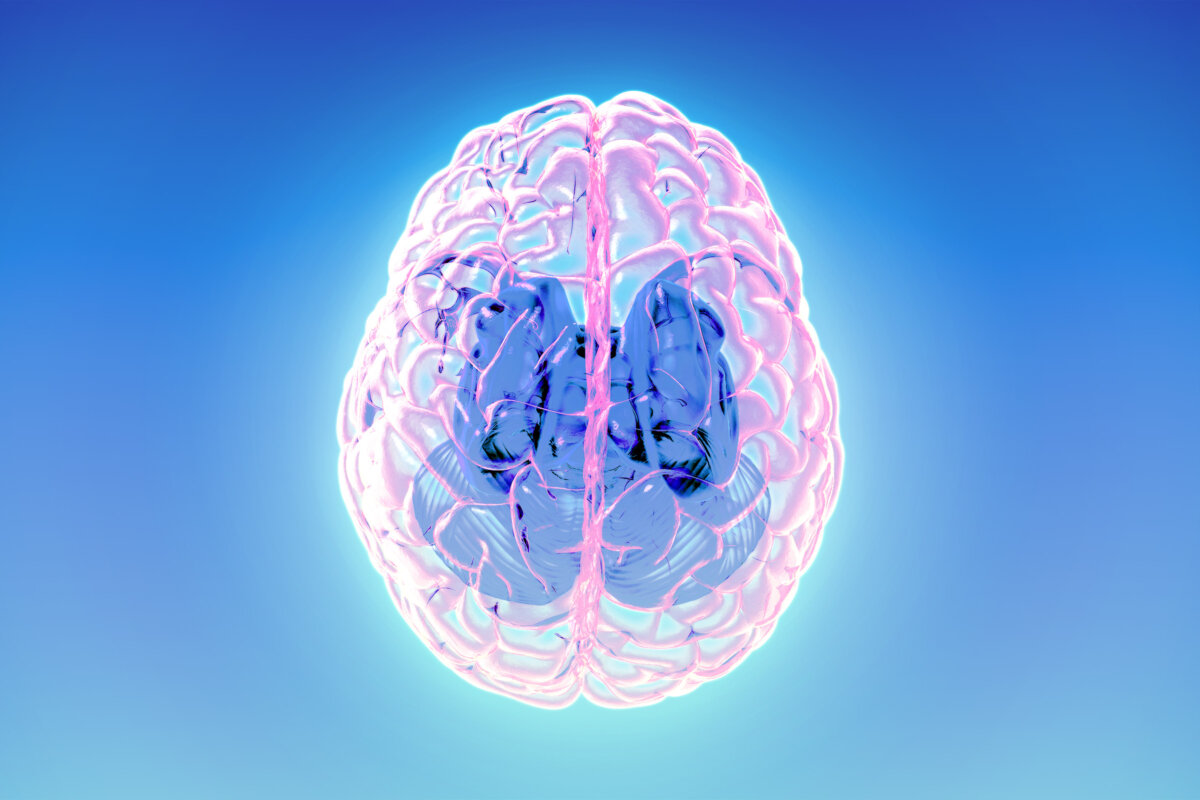
Dementia may be caused by the brain’s waste removal system malfunctioning, a recent study from the University of Cambridge suggests.
Scientists have found that problems with the brain’s waste removal system could be behind many cases of dementia, and may explain why poor sleep patterns and high blood pressure increase the risk of the disease.
Using brain scans, scientists identified three biological markers that predict a person’s risk of dementia by up to 10 years in advance. All three markers are involved in waste removal clearance.
Brain’s Cleaning System Involved in Dementia
The study, published in Alzheimer’s & Dementia, focused on the glymphatic system, a recently discovered brain-cleansing mechanism that flushes toxins and waste products from the brain.
The glymphatic system works by moving clear fluid called cerebrospinal fluid (CSF) through tiny channels around blood vessels, collecting waste and draining it away to keep the brain healthy. When this cleaning system malfunctions, the risk of dementia increases significantly.
In the study, researchers identified three biological signs linked to impaired glymphatic function that predicted the risk of developing dementia over the next 10 years: abnormal movement of water in the brain’s waste-clearing channels, enlargement of the structure that produces CSF, and reduced flow rate of CSF entering the brain.
The researchers analyzed brain scans from approximately 40,000 UK Biobank participants using advanced MRI techniques and machine learning algorithms.
Cardiovascular Factors Involved
Analysis showed that several cardiovascular risk factors, especially high blood pressure, impaired the brain’s glymphatic function, potentially increasing dementia risk. Damage partly results from cerebral small vessel disease, as evidenced by MRI scans.
“We already have evidence that small vessel disease in the brain accelerates diseases like Alzheimer’s, and now we have a likely explanation why,” the study’s first author, Hui Hong, said in a statement. “Disruption to the glymphatic system is likely to impair our ability to clear the brain of the amyloid and tau that causes Alzheimer’s disease.”
The connection between vascular health and dementia is particularly striking. Vascular dementia is caused by reduced blood flow to the brain, which is often due to small blood vessel disease. It is a common form of dementia, and can also worsen other forms of dementia.
Potential Link to Other Neurological Disease: Expert
The study findings may have implications beyond dementia.
“There’s an idea that Parkinson’s disease, or specific types of Parkinson’s disease, may be very much caused by defects in the glymphatic system,” Dr. Jeremy Michael Liff, board-certified neurologist at Northwell Health, and not involved in the study, told The Epoch Times.
He also pointed to strokes and to chronic traumatic encephalopathy, which he said “everyone knows about because of the NFL … [and] the horrible outcomes from patients that have taken multiple head trauma.” Studies have found that disruptions to the glymphatic system can increase the risk of chronic traumatic encephalopathy and stroke.
“Clearly, the initial cause is an acute stoppage of blood flow,” Liff said. “The inflammation that occurs is exacerbated if you have defects in the glymphatic system, because the whole point of the glymphatic system is to clear out toxins.”
He also mentioned one disease that is definitely linked to disruption of the glymphatic system: neuromyelitis optica, or Devic disease, which is very similar to multiple sclerosis and involves inflammatory lesions in the central nervous system.
“That’s probably the best defined example we have,” Liff said.
According to Liff, it can be tested for in a patient suspected of having the condition by looking for biomarkers called anti-aquaporin 4 channel antibodies—markers that indicate dysfunction in the channels allowing fluid to flow through the glymphatic system.
Ways We Can Reduce Dementia Risk
The findings suggest ways to reduce dementia risk, such as improving the brain’s waste clearance system.
Manage Blood Pressure
Research trials have shown that lowering systolic blood pressure to below 120 millimeters of mercury (normal) reduced cognitive decline or dementia by 20 percent.
“We already know the importance of cardiovascular risk factors when it comes to dementia, and our findings further emphasise this link,” study author Hugh Markus, who leads the Stroke Research Group at the University of Cambridge, said in a statement.
”At least a quarter of all dementia risk is accounted for by common risk factors like blood pressure and smoking,” he said.
Prioritize Sleep
Improving glymphatic function starts with prioritizing sleep, especially deep, slow-wave sleep, Dr. Luke Barr, a board-certified neurologist and chief medical officer of SensIQ, and not involved in the study, told The Epoch Times.
“That’s when this clearance system is most active,” he said.
His recommendations include:
- Sleeping on your side, which may enhance waste clearance
- Avoiding alcohol and sedatives before bed, since both can disrupt sleep architecture
- Staying well-hydrated
- Exercising regularly to improve CSF circulation
- Managing cardiovascular health, since arterial pulsation drives glymphatic flow
Existing medicines might be repurposed, or new drugs developed, to boost the glymphatic system’s function.
“I think this research highlights how dynamic and interconnected brain health is,” Barr said. “It’s not just about preventing disease, it’s about creating the conditions for long-term neurological resilience.”