



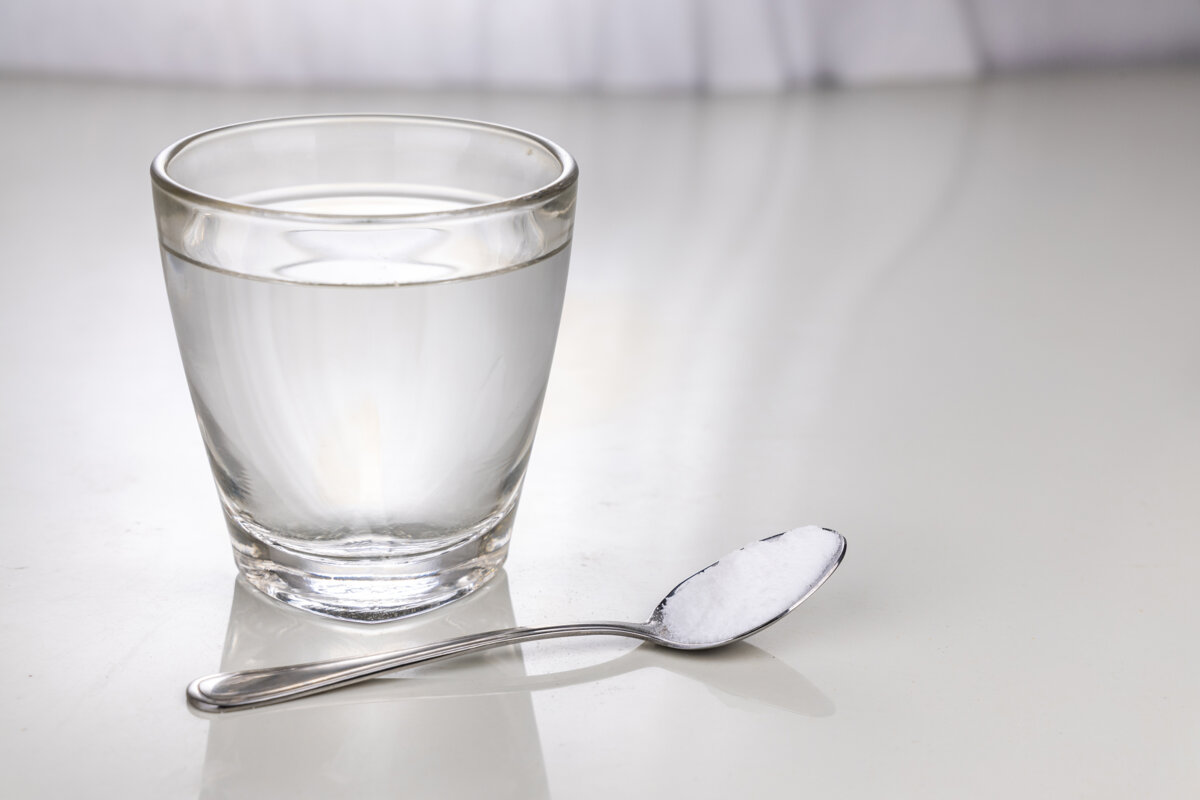
A simple solution exists that could save nearly half a million young lives lost each year to one of the biggest child killers worldwide—yet it’s barely used.
New research reveals that oral rehydration salts, an inexpensive medicinal mixture that can rapidly treat deadly diarrhea in kids, are prescribed only 42 percent of the time despite their proven effectiveness.
This leaves experts puzzled as to why more doctors don’t use this simple remedy that could prevent the hundreds of thousands of child deaths from diarrhea that occur annually across the developing world.
500,000 Children a Year Die of Diarrhea in Poor Countries
Diarrhea is the second leading cause of death for children under five years old in low- and middle-income countries, claiming nearly 500,000 young lives each year according to the research article published in Science.
Diarrhea is characterized by loose, watery bowel movements. Symptoms can vary but often include cramping, abdominal pain, bloating, nausea, frequent urgent bathroom trips, bloody stool, fever, dehydration, and incontinence.
Dehydration complications can arise from diarrhea. Mild dehydration can be treated with water, glucose-electrolyte solutions, or oral rehydration salts. However, moderate to severe dehydration places strain on the heart and lungs. In the worst cases, it can lead to life-threatening shock.
“Most health care providers in developing countries know that oral rehydration salts (ORS) are a lifesaving and inexpensive treatment for child diarrhea, yet few prescribe it,” the research team wrote.
What Did the Study Find?
The research team studied diarrhea care in two demographically different Indian states—Karnataka and Bihar. Socioeconomically, the two states differ significantly in care practices, the study notes.
Bihar, located in east India, is one of the poorest states. Nearly half its adult population lacks any schooling and only 42 percent completed secondary school. In contrast, Karnataka in south India has higher income and educational levels—just 26 percent of adults lack schooling while 62 percent finished secondary school.
Reflecting these differences, Bihar has below average use of oral rehydration salts, treating only 57 percent of diarrhea cases versus the national average of 61 percent. Karnataka, on the other hand, has higher than average usage, treating 70 percent of cases with the medication.
Taste, Trust Barriers Restricting Uptake of Rehydration Salts
Researchers contacted 59 percent of private medical providers in the two states, of which 69 percent consented and completed the study.
Most of the doctors (92 percent) were male, with an average age of 44 years old and 18.5 years of experience. One in five had an MBBS degree (similar to MD), 37 percent had traditional medicine degrees, just over one in five were rural practitioners without formal training, and 22 percent worked in pharmacies with no medical training, though they commonly advise on treatment options.
On average, providers saw 24.7 patients daily and 6.3 diarrhea cases weekly. Just over half (56 percent) prescribed oral rehydration salts directly to patients.
To conduct the study, researchers used “standardized patients”—hired staff who role-played scripted scenarios as patients and caretakers. During unannounced visits to provider offices across 253 towns in Bihar and Karnataka, the mock patients presented cases of viral diarrhea in a 2-year-old child. In total, the standardized patients made approximately 2,000 visits to healthcare providers in the two states.
The study found that only 42 percent of providers prescribed oral rehydration salts. When not prescribed, the main barriers were provider perceptions that patients disliked the taste or didn’t see it as “real” medicine. Patients did not receive the medication 6 percent of the time due to stock outs, and another 5 percent of the time because providers had financial incentives to recommend alternative treatments.