



I’ve seen many patients feel defeated from trying to manage high blood pressure, but with the right foods, the body can often begin to rebalance itself naturally.
High blood pressure often arises from a mix of factors—genetics, excess sodium, low potassium, inactivity, excess weight, alcohol use, and chronic stress.
The following meal plan is inspired by the DASH (Dietary Approaches to Stop Hypertension) diet, clinically proven to help lower blood pressure.
How the Meal Plan Can Help
Each element of the plan has a unique function:
- Reduced Sodium: Each recipe uses very little sodium, helping prevent fluid retention and reducing pressure on blood vessel walls.
- Increased Potassium: Foods such as vegetables, fish, and lean meats provide potassium and magnesium, which help blood vessels relax and balance sodium levels.
- High Fiber Content: Vegetables and whole foods add fiber that helps your body eliminate excess sodium and maintain healthy fluid balance.
- Natural Nitrates: Leafy greens and beets contain nitrates that convert to nitric oxide, a compound that helps blood vessels widen and improves blood flow, which can reduce blood pressure.
When eaten regularly as part of a consistent pattern, these meals support healthier weight, steadier blood sugar, and an optimal sodium-potassium balance—all working together to bring blood pressure into a safer range.
A Sample One-Day Meal Plan for Lowering Blood Pressure
This simple, nutrient-rich meal plan is designed to support healthy blood pressure through meals packed with potassium, magnesium, fiber, and healthy fats—all with minimal added sodium.
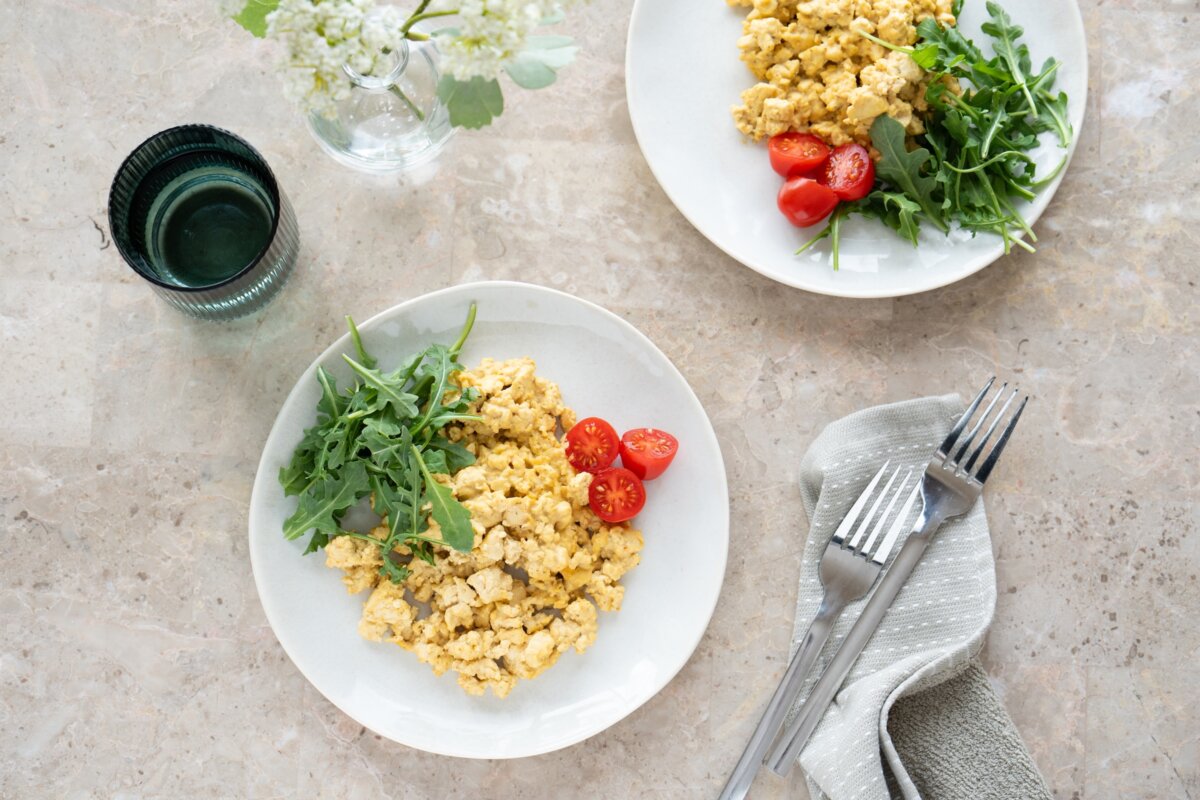
Breakfast: Tofu Scramble With Arugula
Serves: 2
Prep time: About 10 minutes
Cook time: 8 to 10 minutes
Ingredients
- 1 package non-GMO or organic firm tofu (14 ounces), drained well
- 1/4 cup coconut milk
- ¼ cup fortified nutritional yeast
- 1 tablespoon extra virgin olive oil or ghee
- 1 to 2 tablespoons tahini
- ¼ teaspoon turmeric
- ¼ teaspoon paprika
- Freshly ground black pepper, to taste
- ¼ cup baby tomatoes
- Handful of arugula or other leafy greens
Method
- Drain the tofu well in its tray, then cut into small cubes and crumble into small pieces with your hands or a fork.
- Heat the oil (or ghee) in a large skillet over medium‑high heat.
- Add the crumbled tofu. Cook for seven to 10 minutes on medium heat until most of the liquid evaporates.
- Stir in the nutritional yeast, spices, a dash of non-dairy milk (if it is dry) and drizzle with tahini. Cook on low heat until the tofu just starts to stick and the pan is dry.
- Remove half and serve on a plate with a handful of greens, and baby tomatoes.
Nutritional Highlights: High in potassium (greens), fibrous plant protein, and magnesium with no added sodium.
Lunch: Lemon Cod With Sautéed Vegetables
Serves: 1
Prep time: About 10 minutes
Cook time: 8 to 10 minutes
Ingredients
- 1 cod fillet, 5 to 6 ounces
- 1 teaspoon extra virgin olive oil, divided (½ teaspoon for fish, ½ teaspoon for slaw)
- ¼ teaspoon sweet paprika
- Juice of 1 small lemon
- ½ cup chopped kale, loosely packed
- 1 cup broccoli slaw mix
- 2 tablespoons tahini
- 1 tablespoon chopped fresh green herbs (such as parsley)
Method
- Cook the Fish: Pat the cod fillet dry with paper towels. Rub both sides with about 1/2 teaspoon of olive oil so the spices adhere evenly and the surface browns nicely in the pan. Sprinkle on paprika to season. Squeeze a little lemon juice over the top. Heat a small nonstick skillet over medium to medium‑high. Cook cod for three to four minutes per side, or until the fish flakes easily. Remove the cod to a plate and keep warm.
- Make the Slaw: Use the same frying pan or skillet that cooked the fish. Lower heat to medium‑low. Add remaining 1/2 teaspoon olive oil if the pan is dry. Add kale, and broccoli slaw. Toss and cook two to three minutes, just until slightly wilted but still crisp.
- Finish the Slaw: Turn off heat. Stir in dried cranberries (if using), most of the herbs, and a good squeeze of the remaining lemon juice with tahini.
- Assemble and Serve: Mound the warm kale slaw in a shallow bowl. Top with the seared cod and any juices from the plate. Sprinkle with the green garnish and an extra squeeze of lemon if desired.
Nutritional Highlights: Cod provides lean protein and omega-3 fatty acids, while cruciferous vegetables deliver fiber, potassium, magnesium, and natural compounds that support healthy blood pressure.
Dinner: Beef and Beet Hash
Serves: 2
Prep time: 10 to 15 minutes
Cook time: 20 to 25 minutes
Ingredients
- 1 pound beef mince (preferably grass-fed or organic)
- 2 medium carrots, bite-sized and precooked
- 2 medium beetroots, bite-sized and precooked
- 1 small red onion, chopped
- 1 tablespoon olive oil or ghee
- 2 cloves garlic, minced
- ½ teaspoon ground cinnamon
- 1 teaspoon ground ginger (optional)
- ½ teaspoon Himalayan sea salt
- 1 tablespoon tomato paste
Method
- Heat the olive oil or ghee in a large cast‑iron skillet or frying pan over medium heat. Add the onion and cook for about five minutes, stirring occasionally, until softened and translucent.
- Stir in the garlic, cinnamon, ginger, and sea salt. Cook for about one minute, just until the spices and garlic are fragrant, being careful not to let them burn.
- Add the beef mince to the heated pan then mix in the tomato paste. Cook, breaking it up with a wooden spoon, until it is mostly browned and cooked through.
- Spread the precooked carrots and beets evenly through the beef.
- Transfer the skillet to a preheated 375 F oven and bake until the vegetables on top are lightly browned, which helps concentrate their flavor. For a quicker option, transfer the beef and vegetable mixture to an air‑fryer‑safe dish and cook in an air fryer at 350 F for about 10 minutes to brown the vegetables and intensify the flavors.
- Serve the beef and vegetable mixture with arugula (or greens of your choice) for extra color and nitrates to lower blood pressure.
Nutritional Highlights: Lean beef supplies protein, iron, zinc, and potassium with relatively low sodium, while beets and carrots add potassium, magnesium, and fiber. Arugula contributes nitrate-rich greens that help support healthy blood pressure.
[series_posts_list][/series_posts_list]
Lifestyle Tips to Pair With Meal Plan
Build most of your meals around vegetables, beans or tofu, fish or lean meats, nuts, seeds, and small portions of whole grains or starchy vegetables.
Limit or avoid processed meats, fast food, salty snacks, and high‑sodium packaged foods such as deli meat, bacon, and sausage.
Pair this eating pattern with regular physical activity, stress‑management practices, good‑quality sleep, and consistent medical follow‑up. This combination offers some of the strongest protection against hypertension‑related complications.
FAQs
Q. How quickly will I see results?
A: You may notice some benefits within a few weeks, but blood pressure changes usually happen gradually over one to three months of eating this way most days of the week. These meals focus on whole, minimally processed foods that can support a healthier weight, steadier blood sugar, and a lower‑sodium, higher‑potassium balance, which together help bring blood pressure into a safer range and reduce long‑term hypertension risk.
Q: Do I need to follow this meal plan perfectly?
A: No. Many people see improvements in blood pressure by using this meal plan as a guide and making most meals lower in salt and higher in vegetables, fiber, and potassium‑rich whole foods, even if they are not perfect every day.
Q: Why is there such a focus on vegetables and plant foods?
A: Most of each plate is made up of vegetables, which provide fiber, potassium, and natural nitrates, which help the body get rid of extra sodium, keep fluid levels balanced, and relax blood vessels so blood can flow more easily.
Q: What role do protein and healthy fats play in this plan?
A: Each meal is built around satisfying protein and healthy fats with very little sodium and plenty of potassium and magnesium, a combination that helps you feel full while supporting more relaxed blood vessels and steadier blood pressure.
Q: Will I have to eat this way forever, or can this meal plan eventually replace my blood pressure medication?
A: This meal plan is designed to support healthier blood pressure, not to replace medication, and any changes to your prescription must be guided by your doctor. Over time, if your blood pressure, weight, and overall health improve and remain stable with this style of eating, your doctor may decide to lower or stop medication, but many people still need long-term treatment. It is safest to think of this way of eating as a long‑term foundation for your heart health rather than a short‑term “cure.”
Disclaimer
The information in this article is for general education and does not replace individualized medical care, diagnosis, or treatment. Anyone experiencing very high blood pressure readings, chest pain, severe headache, confusion, or shortness of breath should seek urgent medical attention.