



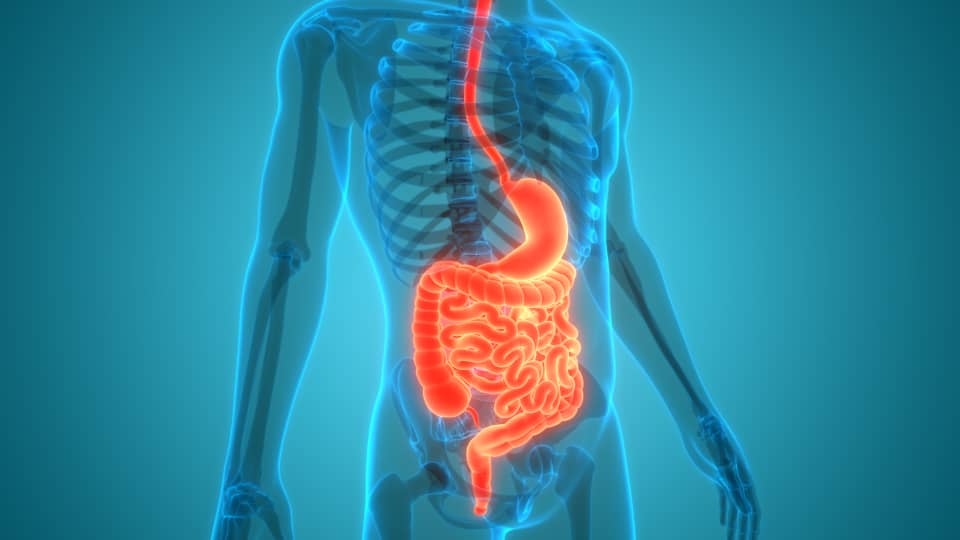
People living with inflammatory bowel disease (IBD) see a significant improvement in their overall quality of life when they add psychological therapy, exercise, or antidepressants into their daily routine.
The results from a study conducted at the Institute of Psychiatry, Psychology & Neuroscience (IoPPN) at King’s College London provide a hopeful and low-cost alternative for a better life for people suffering from this chronic disease.
According to the study, such mood interventions can reduce the levels of inflammation in IBD patients by 18 percent.
“IBD is a distressing condition and current medication that reduces inflammation is expensive and can have side effects,” said first study author Natasha Seaton in a press release. “Our study showed that interventions that treat mental health reduce levels of inflammation in the body. This indicates that mood interventions could be a valuable tool in our approach to help those with IBD.”
To determine how well the interventions worked, the research team reviewed and analyzed 28 randomized controlled trials that included 1,700 adults with IBD, measuring levels of inflammatory biomarkers and testing the mood interventions. They discovered that, compared to antidepressants and exercise, psychological therapies like cognitive behavioral therapy, acceptance and commitment therapy, and mindfulness-based stress reduction had the best outcomes for patients with IBD.
Deeper analysis also showed that mood interventions not only improved inflammation biomarkers associated with IBD but also improved biomarkers associated with inflammation in general.
“Our study suggests that improvements in mood can influence physical diseases through modulation of the immune system. We know stress-related feelings can increase inflammation and the findings suggest that by improving mood we can reduce this type of inflammation,” said professor Valeria Mondelli, co-lead of the Psychosis and Mood Disorders Theme at the UK’s National Institute of Health and Care Research (NIHR) Maudsley Biomedical Research Centre and clinical professor of psychoneuroimmunology at King’s IoPPN.
According to the U.S. Centers for Disease Control and Prevention (CDC), approximately 7 million people worldwide suffer from IBD. IBD is not the same as irritable bowel syndrome (IBS); IBD is chronic and is classified by two main illnesses: Crohn’s disease and ulcerative colitis. Individuals with these illnesses are plagued by abdominal pain, diarrhea, fatigue, incontinence, and other debilitating systems. It is a disease that not only impairs a person physically but can also affect their mental health and well-being. While IBD isn’t common, more people have been diagnosed with IBD over the past 20 years.
Mood Interventions Offer Another Lifeline
Drug therapy is often the typical treatment route for patients with IBD. Available drugs include anti-inflammatory drugs, immune system suppressors, biologics, and antibiotics. Many of these pharmaceuticals have adverse side effects. Sometimes, they’re not enough, and patients also require surgery to remove the entire colon and rectum. In fact, up to two-thirds of people with Crohn’s disease will require at least one surgery during their life, according to Mayo Clinic.
In addition to the adverse health side effects of the current treatment options, they can be costly. A 2023 analysis of annual treatment costs in the United States for Americans with ulcerative colitis and Crohn’s disease was over $22.3 million and about $15.2 million, respectively. The median annual expense to treat each illness was $1,077 for patients with ulcerative colitis and $1,068 for patients with Crohn’s disease. The financial burden was highest for IBD patients aged 40 and older. Medication was the primary driver of cost.
Mood interventions may offer another lifeline.
“Integrated mental health support alongside pharmacological treatments may offer a more holistic approach to IBD care, potentially leading to reduced disease and healthcare costs,” professor Rona Moss-Morris, senior author of the study, said in the press release. “Given this, including psychological interventions, such as cost-effective digital interventions, within IBD management might reduce the need for anti-inflammatory medication, resulting in an overall cost benefit.”