



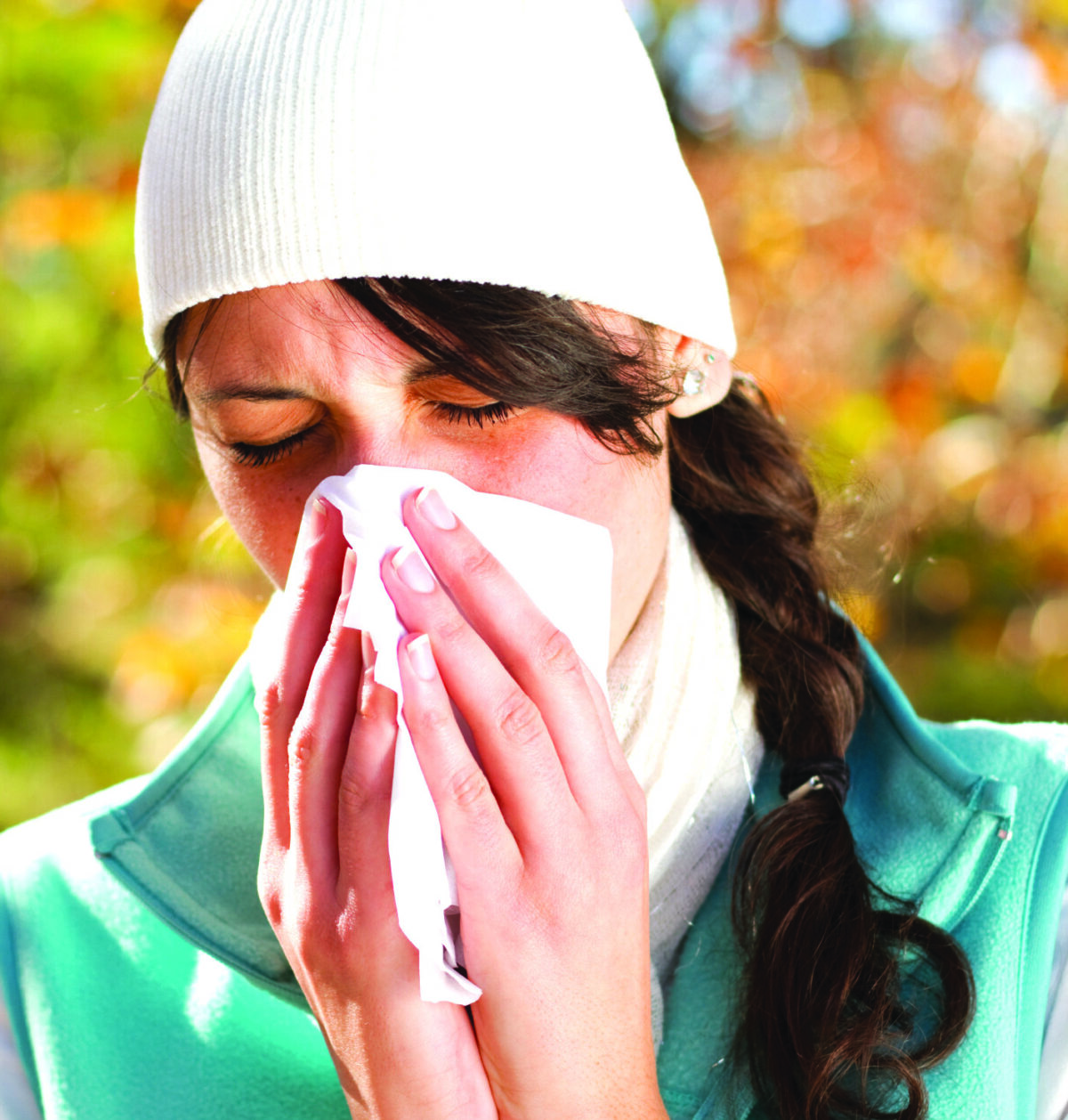
Allergy and asthma symptoms don’t just appear in spring and summer. The fall can bring on sneezing and trouble breathing, as can volatile weather patterns and other environmental factors.
Allergy sufferers can experience frequent symptoms as we move through fall, even if they’re mainly allergic to pollens in spring and summer.
Sometimes the symptoms are the result of a natural event. For example, the Tonga volcano eruption in January sent particulates and aerosols into the atmosphere that can change global weather systems, potentially lengthening or shortening pollen seasons.
Seasons may be even longer this year in the Northern Hemisphere, where the year has seen much hotter and drier conditions than normal.
Hurricane season is in full swing, and these tropical storms can produce a lot of rain and destroy vegetation. This can lead to fungal “blooms” that increase mold spores in the area, which can make allergy or asthma symptoms worse for months.
Cold fronts that usher in thunderstorms can also stir up ragweed and pollens from earlier seasons that have traveled long distances.
People with mold-related asthma run the risk of symptoms getting dramatically worse, potentially posing a health threat. Stay indoors following thunderstorms, and if there has been any water damage, get it repaired as quickly as possible to avoid mold growth.
Try leaving your allergies outdoors. Showering after being outdoors and removing and washing any clothes worn outside can help limit the allergens that follow you indoors.
If you’re experiencing symptoms, there are several treatment options, including over-the-counter antihistamines, nasal rinses, and allergy shots, which are a form of immunotherapy. Speak to your doctor about the best options for you.
A number of factors can bring on more intense allergies and extend the season well into the fall. Be prepared so that you can breathe easily.
Mat Lecompte is a health and wellness reporter for Bel Marra Health, which first published this article.