



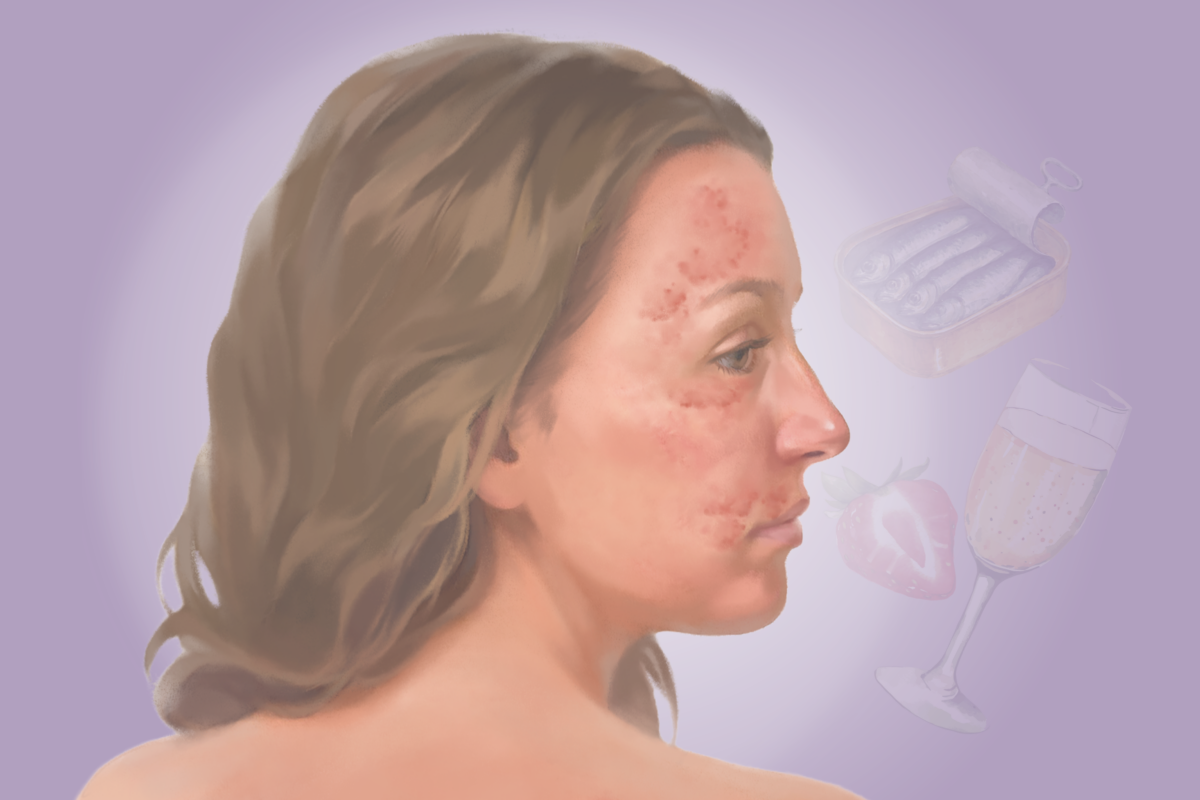
Histamine intolerance is an increasingly common and often overlooked condition, estimated to affect about 1 percent to 3 percent of the global population. However, the true prevalence remains uncertain because of limited data, a lack of standardized diagnostic criteria, and limited awareness.
It is sometimes described as a pseudoallergy because symptoms can closely resemble those of food allergies.
Put simply, histamine intolerance occurs when the body has difficulty breaking down histamine—whether from food or from its own internal production. It can trigger reactions in many different organs, sometimes severely.
Histamine intolerance is often misdiagnosed or attributed to other causes. Despite growing clinical recognition and research, it is not yet recognized as an official disease with a specific diagnostic code, contributing to ongoing debate.
What Are the Symptoms and Early Signs of Histamine Intolerance?
Histamine acts as a chemical messenger involved in many functions, including digestion, blood vessel regulation, immune responses, and brain activity. When it accumulates beyond the body’s ability to break it down, these same processes become overstimulated, leading to symptoms.
Although histamine intolerance begins in the gut, excess histamine can cross the intestinal wall into the bloodstream and travel throughout the body. As a result, symptoms may affect different organ systems. In many people, the earliest signs are mild and intermittent, making patterns difficult to recognize at first. Symptoms vary widely from person to person, and the severity depends on how much histamine has accumulated in the body.
Known symptoms include the following:
- Digestive: Bloating, constipation, diarrhea, and abdominal discomfort
- Skin (Including Lips and Eyelids): Itching, rash or hives, flushing, and swelling
- Respiratory: Shortness of breath, runny or stuffy nose, sneezing, and postnasal drip or throat clearing
- Neurological: Headache and migraine
- Cardiovascular: Rapid heartbeat, low blood pressure, and dizziness
- Reproductive: Menstrual cramps
What Causes Histamine Intolerance?
Healthy people have two enzymes that break down histamine so it can be cleared from the body. The enzymes are diamine oxidase (DAO) and histamine N-methyltransferase. In people with histamine intolerance, the enzymes—especially DAO—may be reduced or their activity impaired. As a result, histamine is not broken down efficiently and can accumulate.
Rather than resulting from a single cause, histamine intolerance typically results from reduced histamine clearance, increased histamine load, or both.
Factors that can impair histamine breakdown include the following.
Genetics
Multiple variants in the gene that encodes DAO can reduce how much DAO is produced or how well it functions.
Variants in related pathways may also play a role. Histamine is partially cleared through methylation pathways, which support many other functions in the body. Methylation helps turn genes on and off. When methylation capacity is reduced—such as from genetic variants—histamine is more likely to accumulate.
Gut Barrier Integrity
Histamine from food is primarily broken down by DAO in the intestinal lining, making gut health central in histamine tolerance. Factors that may impair barrier integrity, reduce DAO activity, or increase histamine exposure include the following:
- Celiac disease and nonceliac gluten sensitivity
- Inflammatory bowel disease
- Intestinal inflammation or increased permeability (“leaky” gut)
- Exposure to certain environmental toxicants, including heavy metals
Gut Dysbiosis
Small studies have shown imbalances in gut bacteria among people with histamine intolerance, including higher levels of histamine-producing bacteria and lower levels of bacteria associated with gut health.
Therapeutic Detoxification
Treatments for mold toxicity, as well as chelation therapy used to mobilize stored toxicants such as heavy metals, can place heavy demands on methylation pathways needed for histamine clearance. In people with limited DAO activity or methylation issues, this may overwhelm clearance systems and potentially unmask histamine intolerance.
Alcohol and Medications
Certain medications and alcohol can cause a temporary and reversible DAO deficiency. Examples include the following:
- Antibiotics containing clavulanic acid (amoxicillin-clavulanate)
- Tricyclic antidepressants (amitriptyline)
- Acid-reducing histamine-2 blockers (cimetidine)
- Diabetes medications (metformin)
- Antihistamines (promethazine)
- Blood pressure medications (verapamil)
- Tuberculosis medications (isoniazid)
- Mucus-thinning medications (ambroxol and acetylcysteine)
- Medications for nausea and vomiting (metoclopramide)
Certain Foods
Certain nutrients, foods, and beverages may inhibit DAO activity. These include ascorbic acid (vitamin C), thiamine (vitamin B1), bananas, citrus fruits, strawberries, and pineapple. Beverages, including coffee, tea, alcohol, and energy drinks, as well as foods such as chocolate, have also been identified.
Other Biogenic Amines in Food
Histamine belongs to a group of naturally occurring substances called biogenic amines, which may come from food or be produced by the body or gut bacteria. Other biogenic amines—such as putrescine, cadaverine, and tyramine, found in certain foods—compete with histamine for the DAO enzyme that breaks it down. When you eat foods high in these compounds, your body may not be able to process all the histamine, even if histamine intake itself is not high.
Female Hormones
Histamine intolerance occurs more frequently in women. Research suggests that DAO levels fluctuate throughout the menstrual cycle, with significantly higher levels during the luteal phase—when estrogen and progesterone are elevated—than during the follicular phase. However, the specific hormonal mechanisms affecting DAO activity are not yet fully understood.
Underlying Diseases
DAO deficiency has been observed in certain gastrointestinal conditions, such as carbohydrate malabsorption and nonceliac gluten sensitivity. Inflammatory bowel disease can also suppress DAO activity and increase histamine generation in the gut.
Histamine Intolerance Versus Histamine Intoxication
Histamine intolerance is not the same as histamine intoxication or poisoning—often called scombroid poisoning, named after the Scombridae family of fish, which includes tuna, herring, and mackerel.
Histamine intoxication is a form of food poisoning caused by eating food containing extremely high levels of histamine because of improper storage or handling. Symptoms of intolerance and intoxication can be similar. However, histamine intoxication typically starts within minutes after ingestion and resolves within hours—or, in rare cases, several days.
How Is Histamine Intolerance Diagnosed?
Histamine intolerance is difficult to diagnose because of the variability in symptoms and lack of diagnostic consensus. Laboratory tests have limitations. As a result, treatment response is often considered the gold standard, with diagnosis supported by improvement or resolution of symptoms after four to eight weeks on a low-histamine diet.
Before starting a low-histamine diet, a thorough evaluation is typically performed, including the following:
- A medical history identifying two or more symptoms consistent with histamine intolerance
- A medication review to identify drugs that may inhibit DAO activity or affect mast cells
- An evaluation for other potential causes, such as gastrointestinal conditions, food allergies, or mast cell disorders, while still considering histamine intolerance as a possible comorbidity
Complementary testing may include the following:
- Serum DAO measurement
- An oral histamine challenge test, typically performed in a hospital because of the lack of a standardized safe dose and the risk of adverse effects; false-positive results may also occur in healthy people
Several additional tests have been proposed, including the histamine 50-skin-prick test, fecal histamine levels, histamine metabolites in urine or stool, and genetic testing of histamine‑related enzymes. However, current evidence suggests that these have limited diagnostic value and are generally considered investigational rather than recommended for routine diagnosis.
Functional Medicine Testing
Because histamine intolerance is often influenced by underlying factors not routinely assessed in conventional care, functional medicine practitioners use targeted testing to identify additional contributors.
- Nutritional Evaluation: Assesses levels of key nutrients involved in histamine metabolism, including vitamins B6 and C, zinc, and copper
- Comprehensive Stool Analysis: Evaluates gut dysbiosis and may help guide probiotic and prebiotic recommendations
- Heavy Metal or Toxin Screening: Assesses body burden that may affect methylation pathways
- Intestinal Permeability Screening: Evaluates increased gut permeability that may contribute to histamine burden
- Food Sensitivity Testing: Identifies delayed immune responses to foods that may coexist and contribute to inflammation
What Are the Treatments for Histamine Intolerance?
The cornerstone treatment is a low-histamine diet combined with DAO enzyme supplementation to support histamine breakdown. Any underlying conditions that may worsen or mimic histamine intolerance should also be addressed, such as inflammatory bowel disease and irritable bowel syndrome.
The Low-Histamine Diet
A low-histamine diet typically excludes foods that contain high levels of histamine and may initially exclude the following:
- Histamine Liberators: Foods that trigger the release of stored histamine
- DAO Inhibitors: Substances that block DAO from breaking down histamine
- Foods High in Other Biogenic Amines: Foods that contain naturally occurring compounds that compete with histamine for breakdown by DAO
The diet may be implemented in phases, depending on practitioner guidance and individual tolerance:
- Phase One: A four-week restriction of all foods that may increase histamine levels
- Phase Two: A one- to two- week reintroduction of small portions of histamine-containing foods, one food at a time
- Phase Three: If phase two is tolerated, a one- to two-week trial of larger portions
- Phase Four: Continued intake of tolerated histamine-containing foods, with gradual reintroduction of histamine-releasing and DAO-inhibiting foods, one at a time
Keeping a food journal that logs both foods and symptoms is especially helpful because there is no universally accepted list of foods to avoid, and individual responses vary. The table below is intended as a general guide and includes examples of foods high in histamine, foods that may promote histamine release, and foods that may inhibit DAO activity. Some foods may fall into more than one category and should be reintroduced accordingly.
People with histamine intolerance may develop a fear of eating and self‑restrict their diet, increasing the risk of malnutrition or disordered eating. Therefore, it is recommended to work with a knowledgeable nutrition professional to develop meal plans that ensure balanced nutrition, minimize unnecessary restriction, support a healthy relationship with food, and improve compliance.
Recipe: Try this 10-minute low-histamine chicken and arugula salad
Food Storage and Cooking Tips
Histamine levels in food can increase over time as histamine‑producing bacteria multiply. As a result, leftovers are best frozen promptly rather than refrigerated. Additionally, frying and grilling can increase histamine levels, whereas boiling does not and may even reduce them.
DAO Supplementation
DAO supplements, usually derived from pig kidney extract, can be taken before meals to increase DAO levels. Although they are not a substitute for dietary changes, they may help improve symptoms. Plant-based DAO supplements derived from Lathyrus sativus (“grass pea” or “white pea”) are also available, but lack clinical data supporting their use.
Antihistamines
To relieve acute symptoms, antihistamines that block histamine-1 and histamine-2 receptors may be recommended. However, they are generally not recommended for daily use, and clinical trials have not yet confirmed their long-term benefit for histamine intolerance.
If symptoms become life-threatening, treatment is the same as for anaphylaxis and may include epinephrine, corticosteroids, and intravenous fluids.
What Are the Natural and Lifestyle Approaches to Histamine Intolerance?
Beyond diet, several nutrients and botanicals may help reduce symptoms when used alongside a low‑histamine diet by supporting histamine breakdown or stabilizing mast cells—immune cells that release histamine and other inflammatory compounds. It is recommended to work with a knowledgeable professional when considering supplementation.
Natural Antihistamines and Mast Cell Stabilizers
Some natural compounds may help relieve symptoms by acting as antihistamines or mast cell stabilizers, helping prevent excessive histamine release. These include the following:
- Quercetin
- Rutin
- Luteolin
- Stinging nettle
Nutrients That Support Histamine Metabolism
DAO relies on several nutrients for optimal activity, and histamine metabolism depends on methylation pathways that use several B vitamins. The following nutrients may help support histamine breakdown and methylation:
- B vitamins, including B6, B12, folate, and riboflavin in their active forms
- Copper
- Zinc
- Vitamin C
S‑adenosylmethionine, a methyl-donor supplement, is also sometimes used to support overall methylation, although specific evidence for histamine intolerance is limited.
Gut Support
Because gut integrity and the microbiome influence histamine production and breakdown, some clinicians also use nutrients to support intestinal barrier function and a healthy microbial balance. These may include the following:
- Nutrients such as zinc and glutamine to support mucosal health and epithelial integrity
- Probiotic strains selected for low histamine‑producing potential or for their ability to degrade histamine, although evidence is still preliminary and strain‑specific; caution is advised because some probiotic strains increase histamine production
How Does Mindset Affect Histamine Intolerance?
Histamine intolerance is influenced not only by what you eat and the supplements you take, but also by stress and mindset. Chronic psychological stress can stimulate mast cells, contributing to increased histamine levels. Stress is also linked with abnormal methylation, increased inflammation, changes in the gut microbiome, and impaired gut barrier function, all of which may further reduce histamine tolerance.
Mindset shapes how well a person implements and maintains treatment strategies. Approaches that reduce perceived stress and improve coping are associated with better adherence and outcomes across many chronic conditions. In histamine intolerance, these strategies may help people follow a low‑histamine diet, reintroduce foods in a structured way, and use prescribed treatments or supplements more consistently.
Many studies have been too short to determine how often histamine intolerance fully resolves. However, available evidence and clinical experience suggest that, for many people, it is a modifiable condition rather than a lifelong one. Symptoms often improve when the histamine load is reduced and contributing factors are addressed.
A hopeful, proactive mindset—viewing histamine intolerance as something you can work with rather than something that controls you—can support better day-to-day choices, adherence, and outcomes.
How Can I Prevent Histamine Intolerance?
Prevention of histamine intolerance has not been well studied. However, because symptoms occur when histamine load exceeds the body’s ability to break it down, prevention should focus on minimizing the load and optimizing the body’s clearing capacity. The following strategies may help reduce the risk of overload, especially in people with poor gut health, chronic stress, or DAO-inhibiting medications:
- Limit intake of foods high in histamine, histamine liberators, and DAO inhibitors
- Eat freshly prepared foods, store foods safely, and avoid refrigerating leftovers for long periods
- Manage stress through practices that support relaxation, sleep, and emotional well-being
- Support gut health, including gut permeability and the microbiome
- Address underlying conditions that may reduce DAO activity or increase histamine production
- Talk with a doctor about possible alternatives to medications known to impair DAO activity
What Are the Possible Complications of Histamine Intolerance?
Histamine causes blood vessels to dilate, which can lead to rapid drops in blood pressure. It may also affect the heart’s electrical activity, potentially causing irregular heartbeats. When the body cannot adequately break down excess histamine, cardiovascular complications may include arrhythmias and, in rare cases, cardiac arrest. Excess histamine from food, medications, or multiple triggers may also contribute to anaphylaxis, a rapid and life-threatening allergic reaction that can affect breathing, blood pressure, and multiple organ systems.
Beyond these direct effects, histamine intolerance can have longer‑term consequences. Nutritional deficiencies may develop when people follow highly restrictive, low‑histamine diets that are not carefully planned for nutrient density. Chronic symptoms, dietary limitations, delayed diagnosis, and misdiagnosis may also contribute to anxiety, depression, and decreased quality of life over time.