



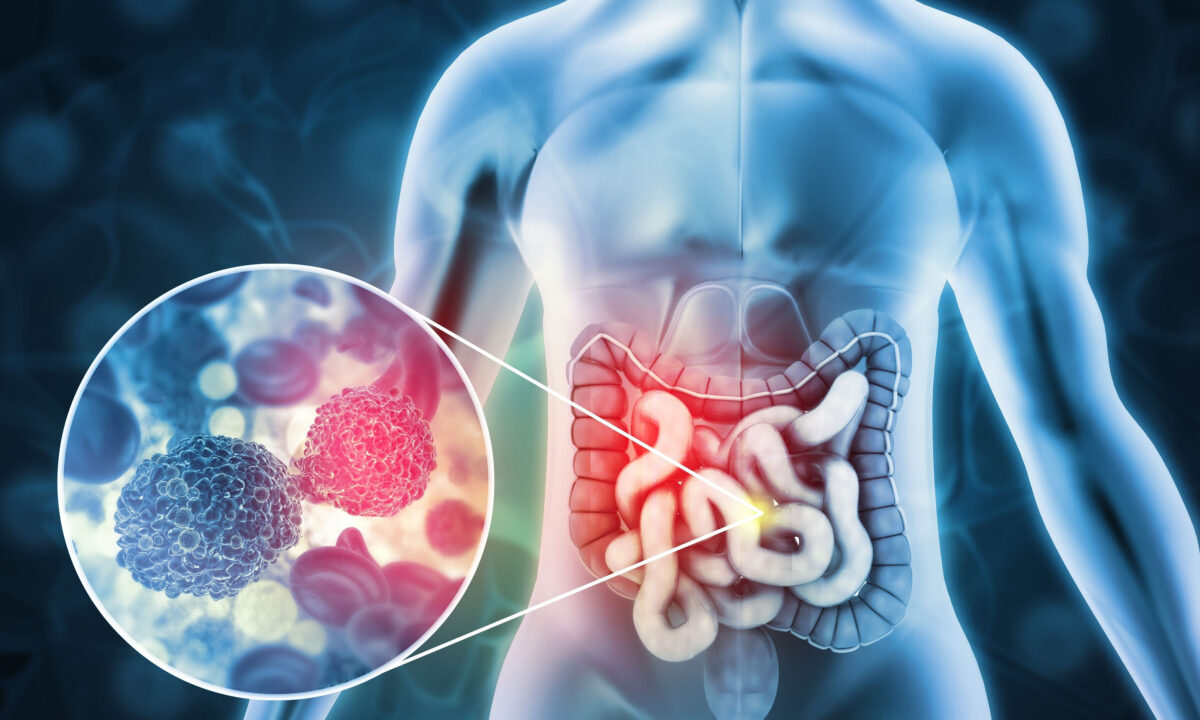
Farting (flatulence) is a natural process, but it can be embarrassing to accidentally pass a smelly fart in front of other people, especially in a confined space. Why do farts stink? If you often pass foul-smelling gas, beware of gastrointestinal problems, or even colorectal cancer.
These Foods Make Intestinal Gas Smell Like ‘Rotten Eggs’
Flatulence is a process in which the body expels gas. Dr. Yao-Chun Hsu, director of the Center for Liver Diseases, E-Da Hospital, Kaohsiung, Taiwan, and a gastrointestinal hepatobiliary physician, pointed out that the organs along the gastrointestinal tract of the human body are all connected. Gas coming out of the mouth includes belches and burps, and the gas coming out of the anus is farts; they are essentially gases discharged from the gastrointestinal tract.
There are two types of gas in the gastrointestinal tract:
- Exogenous: gas that enters the body from the outside. In general, gas is swallowed when one’s talking while eating or eating too fast. Gas and discomfort in the upper gastrointestinal tract often arise from these causes. Most of these gases are expelled by belching, but a small part of the gas may go all the way down and eventually turn into farts.
- Endogenous: gas coming out of the anus; mainly caused by endogenous factors and produced by the gastrointestinal tract; it is related to intestinal bacteria. Gases are released when the food eaten is broken down and used by intestinal bacteria.
Dr. Hsu said that flatulence is a natural physiological by-product. It is normal to pass gas 10 to 20 times a day, and most gas tends to be odorless.
Studies have found that more than 99 percent of farts are composed of hydrogen, oxygen, methane, carbon dioxide, and nitrogen, and less than 1 percent is composed of other odorous gases. Nitrogen and oxygen are mainly derived from the air swallowed while eating, and other components of gas are mostly produced by intestinal bacteria.
A study in The British Medical Journal pointed out that the unpleasant smell of gas comes from sulfur-containing gases, mainly hydrogen sulfide, followed by methanethiol. The smells of hydrogen sulfide and methanethiol were described as “rotten eggs” and “decomposing vegetables” by people, respectively. Furthermore, the degree of unpleasant smells is greatly correlated with the concentration of the sulfur-containing gases.
Hydrogen sulfide is a metabolic by-product of sulfate-reducing bacteria in the gut. Sulfide-containing cruciferous vegetables, such as cabbage and broccoli, and sulfur-containing amino acids (e.g. methionine and cysteine) in protein may be broken down by intestinal bacteria and produce sulfur-containing gases— resulting in smelly farts.
Another study pointed out that animal protein is the main source of sulfur-containing gas produced by intestinal bacteria.
Is Excessive Flatulence Related to Colorectal Cancer?
Gas is mostly produced from the intestines, and the smell and frequency of it can reflect the health of the digestive tract. Hence, some people worry that excessive farting is associated with colorectal cancer.
Dr. Chih-Ying Liao, Director of the Radiation Therapy and Integrative Oncology department of Taichung Hospital (MOHW) in Taiwan said that excessive flatulence does not necessarily indicate colorectal cancer; and the person may have more bad bacteria in the intestines or eat more meat than others. However, patients with colorectal cancer may experience this symptom, as it is a sign of a deteriorating intestinal environment.
He pointed out that there is currently a theory that colorectal cancer is related to the gut microbiome; and bad bacteria will produce butyric acid in the intestinal mucosa, resulting in chronic inflammation of the mucosa. Furthermore, colorectal cancer is inherently associated with inflammation of the intestinal lining. Malignant tumors in the intestinal tract may suppurate and bleed; and since pus and blood are both proteins, the gas discharged from the anus after being broken down by bad bacteria will become extremely smelly.
Many studies have also shown that colorectal cancer is more susceptible to intestinal bacteria than other malignant tumors.
Dr. Hsu added that people may be able to directly smell the odor of the malignant tumors of colorectal cancer, especially rectal cancer, as the rectum is connected to the anus. By the time a patient smells the odor, the cancer is usually terminal, and the tumor is already very large. Currently, there are some studies that hope to identify the volatile organic compounds metabolized by cancer cells, so as to collect such gas molecules for cancer screening. However, it is still in the research and development stage.
There is one major colorectal cancer symptom to look out for: a change in bowel habits, such as alternating constipation and diarrhea, smelly or excessive farts, narrowing of the stool, reduced bowel movements, painless and sensationless bloody stools, as well as mushy stools mixed with snot-like intestinal fluid.
Several Signs of an Unhealthy Intestinal Environment
Even if it is not colorectal cancer, excessive flatulence that smells particularly unpleasant is a warning sign of an unhealthy intestinal environment:
1.) Smelly gas
Dr. Chien-Tung Wu, director of Yongshrng Traditional Chinese Medicine Clinic, in Taipei, Taiwan, said that eating bad or stale food (such as eating too much “heaty”, greasy or heavy food) can hurt the stomach and cause inflammation, which will lead to smelly or excessive gas.
People who like to eat fried food, sweets, and garlic will fart excessively because these foods will make the body “heaty”, which will inflame the stomach and cause smelly farts. In addition, a congenitally weak digestive system and lack of exercise can also lead to smelly farts.
Constipation is also a common cause of smelly gas. When the stool stays in the intestinal tract for too long, it will continue to be broken down by bad bacteria and produce a lot of foul-smelling substances. Therefore, a person who has not had a bowel movement in several days will emit foul-smelling gas.
2.) Frequent gas
Under normal circumstances, when carbohydrates (such as sweet potatoes and soybeans) that are not well digested and absorbed are ingested, bacteria will produce gas during the process of breaking them down. People with lactose intolerance will also fart more if they drink milk or eat things that contain lactose; whereas patients with irritable bowel syndrome fart excessively due to excessively active peristalsis.
Dr. Wu said that people with slow gastrointestinal peristalsis produce more gas, and the reason is related to gastrointestinal qi stagnation.
A person may have smelly gas or excessive gas, or both at the same time.
3 Simple Ways to Improve Gut Health
Although some foods tend to cause smelly flatulence, Dr. Wu believes that people with healthy intestinal bacteria are less likely to have smelly gas when they eat these foods. People with poor intestinal environments and who are “heaty” in nature are more likely to produce smelly gas. “So I think addressing these problems is more important than diet,” he said.
Improving gut health can reduce the embarrassment of having smelly gas and even help prevent colorectal cancer. Here are a few simple ways:
- Drink plenty of water and do aerobic exercises
Drinking plenty of water and doing aerobic exercises can prevent constipation, improve peristalsis, and expel accumulated heat and dampness in the body. In addition, studies found that aerobic exercises are quite effective in improving the gut microbiome.
- Take probiotics and prebiotics
You can eat yogurt or directly take probiotic supplements. The fiber in fruits and vegetables can be a source of prebiotics and serve as food for probiotics.
- Eat heat-clearing foods
Dr. Wu recommends eating mung beans or barley, both of which have heat-clearing effects and can reduce dryness and heat.
For people who have smelly or excessive flatulence, if the symptoms persist after adjusting diet and exercise, and are accompanied by other symptoms such as hiccups, acid reflux, bloating, stomach pain, or changes in bowel habits, it is recommended to seek medical treatment.