



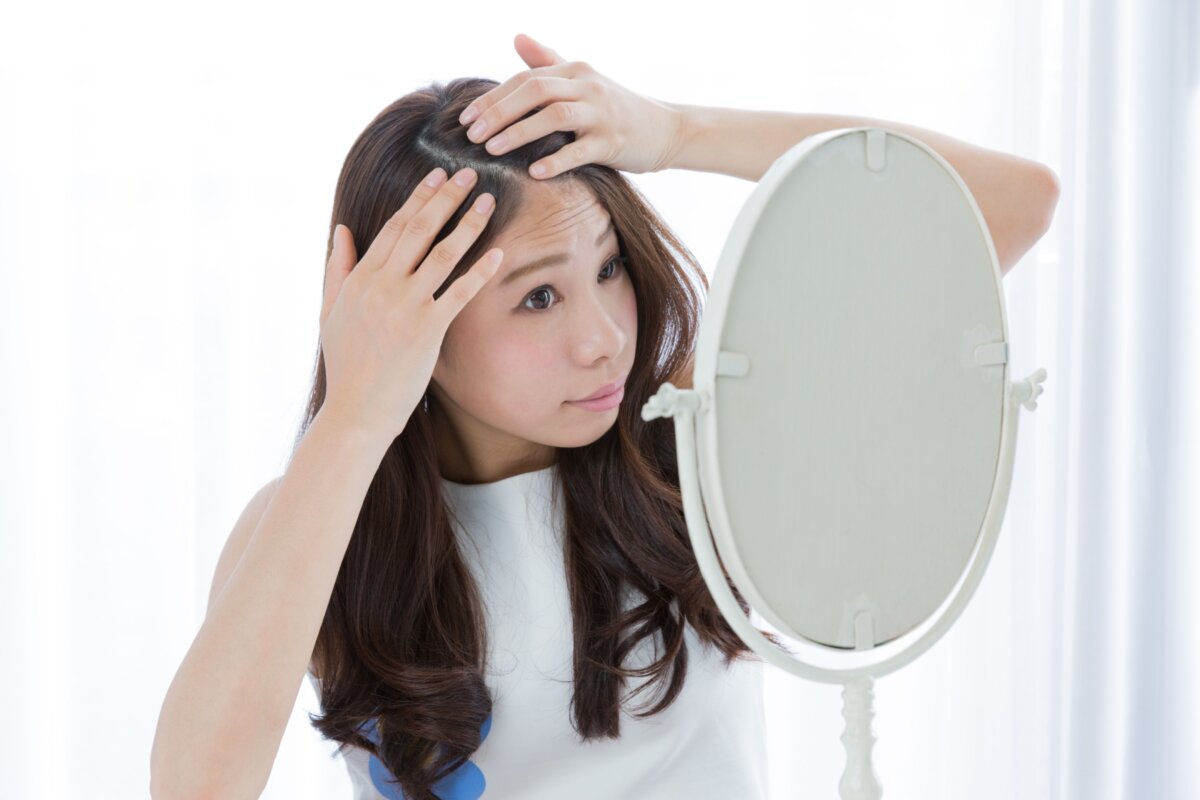
Have you ever been embarrassed by dandruff flakes on your shoulders? Or worried that others might see you shaking them off?
Over-the-counter products can offer quick relief but can also cause additional dry skin, irritation, and itchiness.
Research has found effective, natural remedies for dandruff. In fact, according to one 2024 study, herbal hair gel and leave-in tonic made from rosemary and neem extracts are more efficacious than conventional antifungal agents. Other natural remedies and methods are also used in dermatology and cosmetology.
What Is Dandruff?
Dandruff is a noncontagious skin condition with many causes, such as diet, hormone imbalances, underlying skin conditions, sensitivity to hair products, or a yeast-like fungus called Malassezia. It is often called mild seborrheic dermatitis, or scalp inflammation.
Malassezia globosa is a fungus that lives on our bodies but only causes problems if the skin microbiome is out of balance. Depending on the severity, topical or oral antifungal medications—such as fluconazole shampoo, bifonazole ointment, miconazole, and ketoconazole—are the first-line treatments for dandruff. Doctors sometimes also recommend hydrocortisone cream mainly to reduce inflammation and treat flare-ups.
Dandruff has a risk of recurrence due to the ever-changing skin microbiome and, potentially, resistance to antifungal agents, according to a 2021 systematic review published in Experimental Dermatology.
‘Inside Out and Outside In’
The integumentary system includes the body’s outermost layer of skin, supportive glands, blood vessels, nerves, nails, and hair.
The system’s central roles include physical protection, immunity, wound healing, vitamin D synthesis, body temperature regulation, and sensation. For overall health, protecting the integumentary system is essential.
Common skin conditions such as eczema, acne, psoriasis, dandruff, and scalp seborrheic dermatitis disrupt the complex functions of this system. To heal it, we must look beneath the skin. This understanding has informed a new generation of dermatology treatments.
Julie Greenberg, a licensed naturopathic doctor and registered herbalist specializing in integrative dermatology and the founder of The Center for Integrative & Naturopathic Dermatology in Los Angeles, California, cultivated an interest in health and skin care products after being diagnosed with Hashimoto’s disease (an autoimmune disease) while finishing her master’s of business administration at Stanford University. Her diagnosis prompted her to reexamine her beliefs about health.
During her health journey and research, Greenberg found that many compounds women put on their skin are toxic or disrupt hormones. This discovery inspired her to develop an “inside out and outside in” approach that she recommends to every person entering her office. She uses it herself.
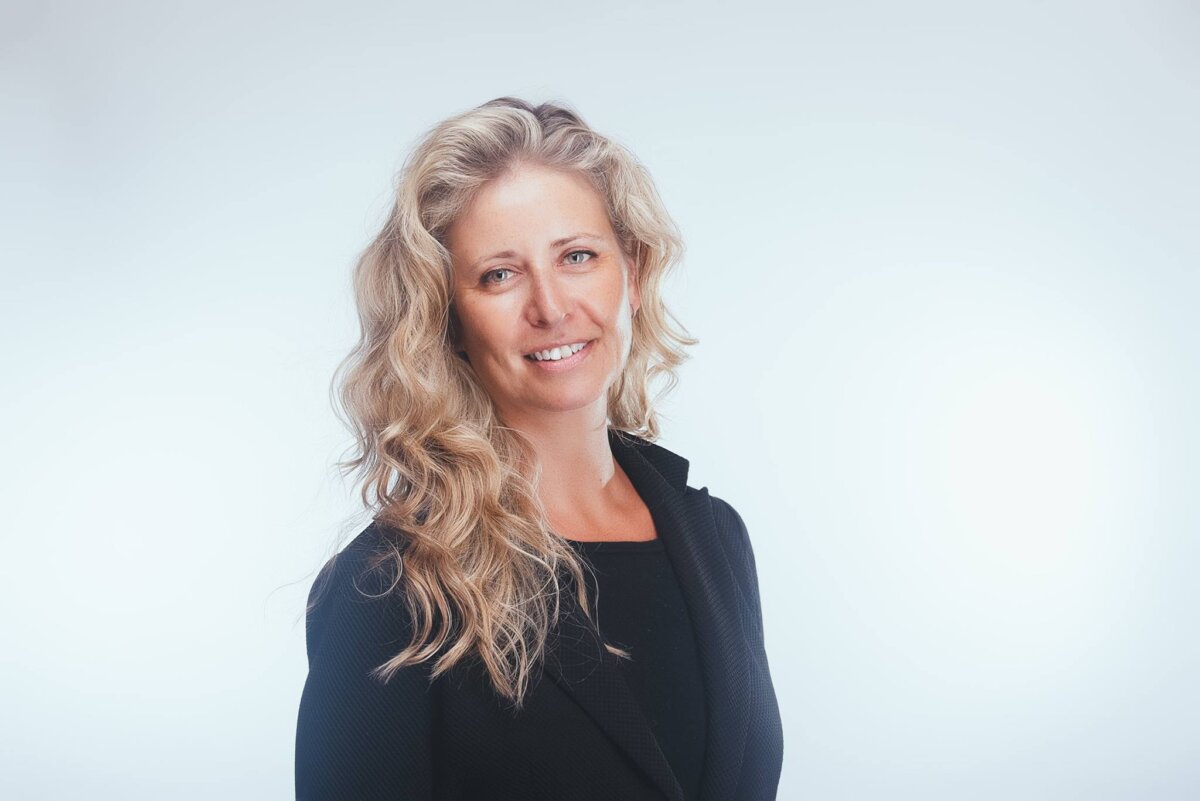
“During the thorough initial intake, every patient completes the OAT (organic acid test) and a stool sample,” Greenberg told The Epoch Times. “I need to know the health of their microbiome.”
These comprehensive tests show Greenberg what the patient’s insides look like. This is important, as a pH imbalance can cause illnesses that manifest as skin disorders.
“All of us have the Malassezia yeast on our scalp,” Greenberg said. “It is true we need to address the overgrowth first, but then we must go back to the gut microbiome to address the true issue. Often, there is fungal overgrowth in the gut and fungal overgrowth in general.”
If a problem in the intestine remains hidden, symptoms might temporarily abate but will not be addressed in the long run, she said.
Natural Dandruff Therapies
Luckily, the intricate interaction between billions of beneficial and harmful microbes living on a single square centimeter of our skin can be supported by the curative potential of medicinal plants. Herbal remedies can stabilize the fungi, bacteria, and viruses that form the skin’s microbiome.
Rosemary and Neem
During the 2024 study, researchers formulated a hair gel and leave-in tonic using extracts from rosemary and the semi-tropical neem tree to produce an antioxidant, antifungal, and anti-inflammatory agent with fewer adverse effects than commercial products. Rosemary and neem were both found to be rich in phenolic and flavonoid compounds.
Researchers compared the individual extracts of both plants (the herbal formula) and the positive control (which consisted of the antifungal ketoconazole and gentamycin, an antibiotic). The herbal remedies exhibited the most antibacterial activity against Staphylococcus epidermidis, the bacteria that cause staph infection, and were comparable in their antifungal effect against Trichophyton rubrum and Malassezia furfur.
Neem was the subject of a 2020 in vitro study published in Drug Invention Today. Researchers found that the extract showed significant anti-dandruff activity and potential as a treatment for fungal-related diseases.
Other Extracts
In a 2023 study published in Clinical, Cosmetic and Investigational Dermatology, researchers tested a natural topical treatment containing other ingredients on 42 children aged 1 to 17 with dry scalp and dandruff symptoms. The treatment consisted of honey, turmeric, probiotic extracts, and vitamin B12. It was administered two to three times weekly for two weeks. Physicians assessed treatment safety and recorded scalp conditions before, during, and after treatment. The researchers concluded that the topical improved overall dry scalp symptoms, appearance, and scalp health.
A 2022 review published in Molecules highlighted the healing potential of other plant-based treatments. Researchers listed coconut, almond, carrot seed, and castor oils, as well as rosemary essential oil, neem, horsetail, witch hazel extract, and henna, as having anti-dandruff properties. These promote healing with minimal to no side effects, the researchers wrote.
A randomized controlled trial published in the Swiss journal Forschende Komplementarmedizin tested an anti-dandruff treatment with 5 percent, 10 percent, and 15 percent lemongrass oil on 10 Thai men and women between the ages of 20 and 60. Participants applied the formula twice daily for two weeks. The results showed the hair tonic with 10 percent lemongrass oil was the most effective at suppressing dandruff.
Home Remedies for Dandruff
The following are concoctions for fighting dandruff that you can make at home.
Thyme Decoction
Ingredients:
- 3 tablespoons dried thyme leaves
- 2 cups water
Preparation:
- Add thyme leaves to 2 cups of water.
- Bring to a gentle boil and simmer for 10 minutes.
- Strain the leaves through a tea or coffee filter.
- Allow the decoction to cool before applying it directly to the scalp, and gently massage it into the skin.
- Allow 1 hour before rinsing the hair with clear water.
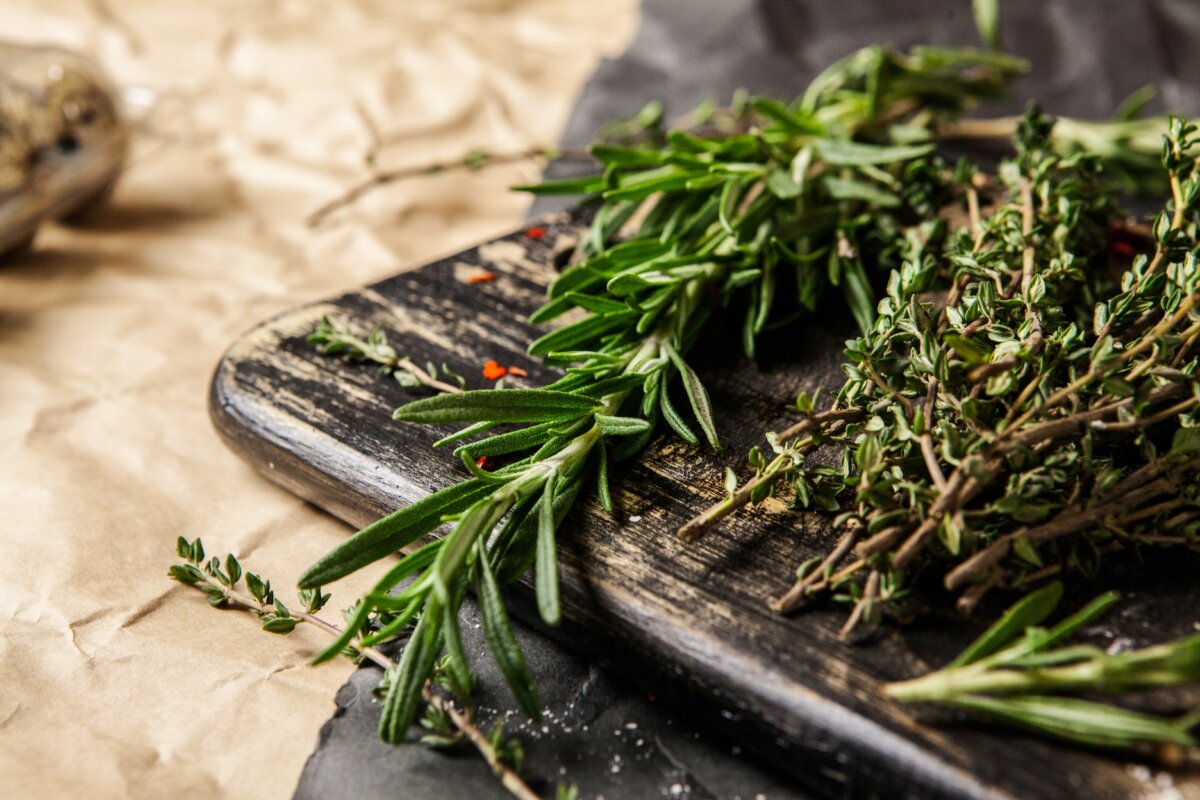
Rosemary Tincture
Ingredients:
- 2 teaspoons dried rosemary sprigs
- 3 fl. ounces 40 percent alcohol such as vodka
Preparation:
- Break up rosemary into small pieces.
- In a jar, add the rosemary to the alcohol.
- Allow to infuse for 4 weeks, shaking the mixture every few days.
- Strain through a filter or muslin cloth, then put into a colored-glass bottle with a dropper.
- Apply to the affected skin and allow to air dry.
Note: The alcoholic tincture might burn when applied to broken skin on the scalp. In these cases, the thyme decoction is a gentler solution. Please consult a dermatologist.
Other Natural Treatments
“Zinc shampoos are helpful as well,” Greenberg said. “And then there is sunlight. People tend to see worse issues with dandruff in the winter and feel improvement in summer.”
Research has shown the benefits of light therapy, demonstrating antifungal effects against Malassezia.
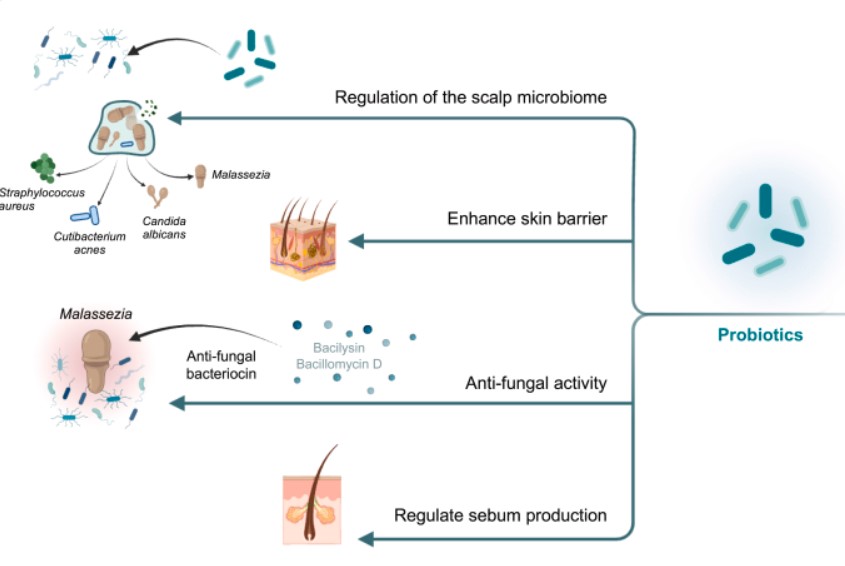
Probiotics have also shown promise in treating dandruff. A 2024 meta-analysis published in Heliyon reviewed eight international, randomized preclinical and clinical trials for the efficacy of probiotics in dandruff and scalp care.
“Probiotics have been found to reduce inflammation and rebalance sebum production, leading to a healthier scalp environment and decreased dandruff symptoms,” the researchers wrote.
The Problem With OTC Treatments
About half of the world’s population has dandruff. Fifty million Americans struggle with it, spending more than $300 million per year on treatment products.
Some researchers have tried to create awareness by titling research “Dandruff: The Most Commercially Exploited Skin Disease,” suggesting the personal care industry monetizes the disorder.
The over-the-counter dandruff treatment market is projected to increase from approximately $9 billion in 2023 to roughly $14 billion by 2030.

Synthetic treatments often have side effects. Already damaged and sensitive skin is prone to itching and rash, and hair loss may increase. There may even be a risk of internal symptoms, such as stomach pain, according to a 2022 review published in Current Topics of Medicinal Chemistry.
Greenberg sees the conventional approach to dandruff and other skin diseases as very reactive.
“There is a problem; now, let’s deal with it,” she said. “Medications are suppressive. We are suppressing the symptoms but are not asking why they are there and what causes them.
“Take eczema, for instance; doctors treat it topically or with injectable steroids, which suppresses the immune system. The same with acne. There are drugs that are actually dangerous.”
Greenberg said she believes her “inside out, outside in” approach addresses this challenge, healing one issue without creating another. Dandruff will most likely not be eliminated simply by applying some over-the-counter shampoos. The solution must be a holistic approach that includes lifestyle adjustments and dietary changes (such as an alkaline diet).
If the inside is healthy, the outside (the skin) will reflect that, she said. At the same time, what we bring in from the outside will affect us on the inside.