



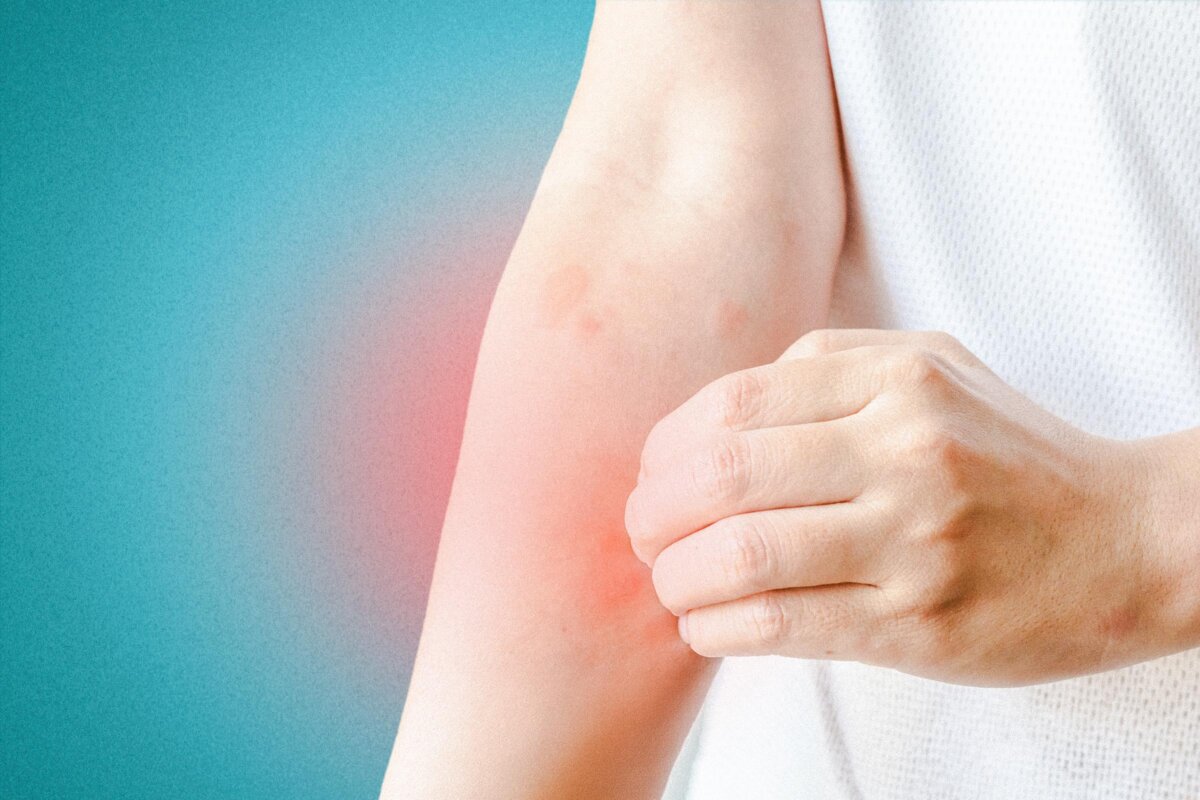
During seasonal transitions, fluctuations between sudden cold and heat, or dry and damp conditions are common. Rapid climate changes can easily stress the body’s immune system and skin barrier, making conditions such as hives, eczema, and shingles more likely to flare.
Western medicine typically uses antihistamines or steroids for quick relief of itchiness and inflammation, but long-term use can thin the skin and weaken the immune system. Traditional Chinese medicine (TCM), by contrast, addresses root causes—restoring internal balance by regulating the body’s constitution and organ functions to naturally improve skin issues.
From a TCM perspective, skin problems are often linked to external pathogenic factors known as “wind,” “cold,” “dampness,” and “heat.” When the weather changes, diet is unbalanced, or lifestyle habits are irregular, these factors can accumulate in the body and manifest on the skin as rashes, itching, or inflammation. In TCM, the skin is viewed as a mirror of the body’s internal health.
Urticaria
Urticaria (hives) may appear as red, itchy patches on your arms while you sleep. Rather than scratching, first press certain acupoints, then apply a cold towel, which can immediately relieve more than half of the discomfort.
Pool on Bend Acupoint
Bend your elbow toward your chest with your palm facing yourself. The point is in the depression at the outer (thumb-side) end of the elbow crease.
Pressing firmly may cause a sore or tingling sensation. The qu chi acupoint clears heat, detoxifies, and effectively reduces redness and itching.
Sea of Blood Acupoint
Located on the inner upper edge of the knee, about three finger widths above the knee crease, in the area where the muscle bulges.
Pressing this point with your thumb can promote blood circulation and help relieve skin sensitivity.
For both acupoints, press each for five to 10 seconds, repeating for two minutes, then apply a cold towel for about five minutes.
Stimulating acupoints with acupuncture or massage can quickly relieve skin itching. A review of 22 clinical trials found that acupuncture may help reduce the number and size of hives, shorten the duration of flare-ups, and lower inflammation markers—although more studies are needed to confirm its effectiveness.
During acute flare-ups, avoid bathing in overly hot water, as it can dilate blood vessels and worsen symptoms.
Eczema
Eczema is a general term for skin inflammation, including atopic dermatitis, seborrheic dermatitis, dyshidrotic eczema, and others. Common symptoms are redness, swelling, itching, scaling, and sometimes oozing of tissue fluid. Atopic dermatitis is the most common form and often flares up in hot weather or after eating spicy or “heating” foods.
Important: Do not scratch during an eczema flare-up. Scratching can break the skin, cause infection, and make the condition harder to manage. If itching is severe, there are safe ways to relieve it.
Aloe Vera and Licorice Root
In the 8th century, during the Tang Dynasty, the great poet Liu Yuxi experienced severe eczema in his youth. Despite various treatments, his condition showed no improvement. Later, a traveling herbal seller advised him to use fresh aloe vera combined with roasted licorice root, ground into a fine powder. He was advised first to cleanse the affected area with warm water, then apply the powder. After use, his eczema improved rapidly, showing remarkable results.
Today, aloe vera remains a key natural treatment for eczema in TCM. Its benefits include relieving itching, reducing redness and swelling, providing antibacterial effects, reducing inflammation, and repairing damaged skin.
Studies have found that licorice root (Glycyrrhiza uralensis), a member of the legume family, possesses anti-allergic properties.
For home use, the simplest option is to slice fresh aloe vera, extract the clear gel, and apply it directly to the itchy area. Its cooling effect may help soothe discomfort and support skin recovery. Store-bought aloe gels can also work well, but choose products with minimal ingredients and avoid those containing alcohol, artificial fragrance, or strong preservatives, which may further irritate sensitive skin.
Licorice may also be used as a traditional adjunct, but with caution. Some people mix a small amount of finely prepared licorice powder with aloe gel to make a soothing paste for external use. However, because eczema-prone skin is often highly sensitive, it is best to patch test first and avoid use on open, oozing, or infected skin unless guided by a qualified practitioner.
Barley Decoction Bath
Traditional Chinese medicine describes a simple external remedy for itchy skin conditions known as “steam first, wash later.” Using a warm barley decoction, this method gently opens the skin’s surface with steam before cleansing and soothing it. It has traditionally been used for conditions such as eczema (atopic dermatitis), psoriasis, and hives (urticaria), and is generally considered mild and suitable for most individuals.
Prepare the Decoction: Add about 1 cup of barley to 8 to 12 cups of water. Bring to a boil, then reduce to a gentle simmer and cook for 20 to 30 minutes, until the water becomes slightly cloudy. Strain out the barley and reserve the liquid.
Steam the Affected Area: While the liquid is still hot (but not scalding), allow the warm steam to rise and gently bathe the affected skin for several minutes. Keep a safe distance to avoid burns.
Wash the Skin: Once the liquid has cooled to a comfortably warm temperature, use the decoction to rinse or gently wash the affected area.
This process can be done once daily or several times per week, depending on skin sensitivity.
Barley is traditionally valued in TCM for its ability to clear heat, reduce dampness, and soothe irritation, which may help calm redness and itching. From a modern perspective, barley contains compounds that may support the skin barrier and reduce inflammation.
Note: Avoid using this method on open wounds, actively infected skin, or severely irritated areas. Discontinue use if irritation worsens.
Warm Mung Bean Soup
In TCM, atopic dermatitis tends to occur in people with a damp-heat constitution—usually the result of a hot-humid climate and impaired fluid transformation and transportation within the body. To help clear internal heat, detoxify, and relieve itching, patients are advised to eat warm mung bean soup daily. Avoid eating it cold, however, as this can worsen damp-heat symptoms and aggravate the condition.
Shingles
Shingles occurs when the varicella-zoster virus (the same virus that causes chickenpox) reactivates during periods of weakened immunity, leading to severe neuropathic pain. Common symptoms include fire-like burning pain and needle-like stabbing pain. It is most easily triggered during seasonal transitions, especially in people over 50 or those with weakened immune systems.
Realgar Powder and Sesame Oil
Realgar powder is sometimes used for shingles. Mix the powder with sesame oil, and apply it to the affected area. Within one to two days, scabs usually form, which helps relieve itching and pain.
Realgar is a mineral with detoxifying and insecticidal properties. However, it is toxic, so it should not be used long-term and is not recommended for pregnant women.
Foods That May Worsen Skin Rashes
According to TCM, certain foods can aggravate skin rashes and are best avoided during acute flare‑ups.
- Greasy and Oily Foods: deep‑fried, barbecued, or grilled foods
- Spicy and Irritating Foods: chili peppers, black pepper, curry, and highly processed snack foods with many additives
- Foods That May Intensify Allergies: known in TCM as “triggering foods,” they include seafood, beef, lamb, goose, and bamboo shoots, and should not be eaten in large amounts during acute episodes
Urticaria is closely connected to diet. To prevent recurrence, prioritize whole, minimally processed foods and adopt a light, clean eating approach.
One patient shared his experience: He used to work late nights, rarely ate fruits or vegetables, and relied mostly on meat and seafood while dealing with chronic sleep deprivation—a combination that repeatedly triggered acute urticaria.
His itching was so intense that he scratched nonstop, breaking the skin and enduring tremendous discomfort. Thankfully, once he overhauled his diet—focusing on whole foods and cutting out refined sugars and gluten—and daily routine, his urticaria has not recurred.
In the acute phase of eczema, it’s important to avoid foods that increase internal damp-heat, such as taro. Instead, increase intake of cooling, damp-draining foods like bitter melon, winter melon, chrysanthemum, coix seed, and Poria cocos to help reduce heat and eliminate excess moisture from the body.
The Chinese herbs and foods mentioned above are generally available at health food stores or Asian grocery stores. However, since each person’s constitution is different, treatments should be tailored to each person. Always consult a qualified health care professional for specific treatment plans.