


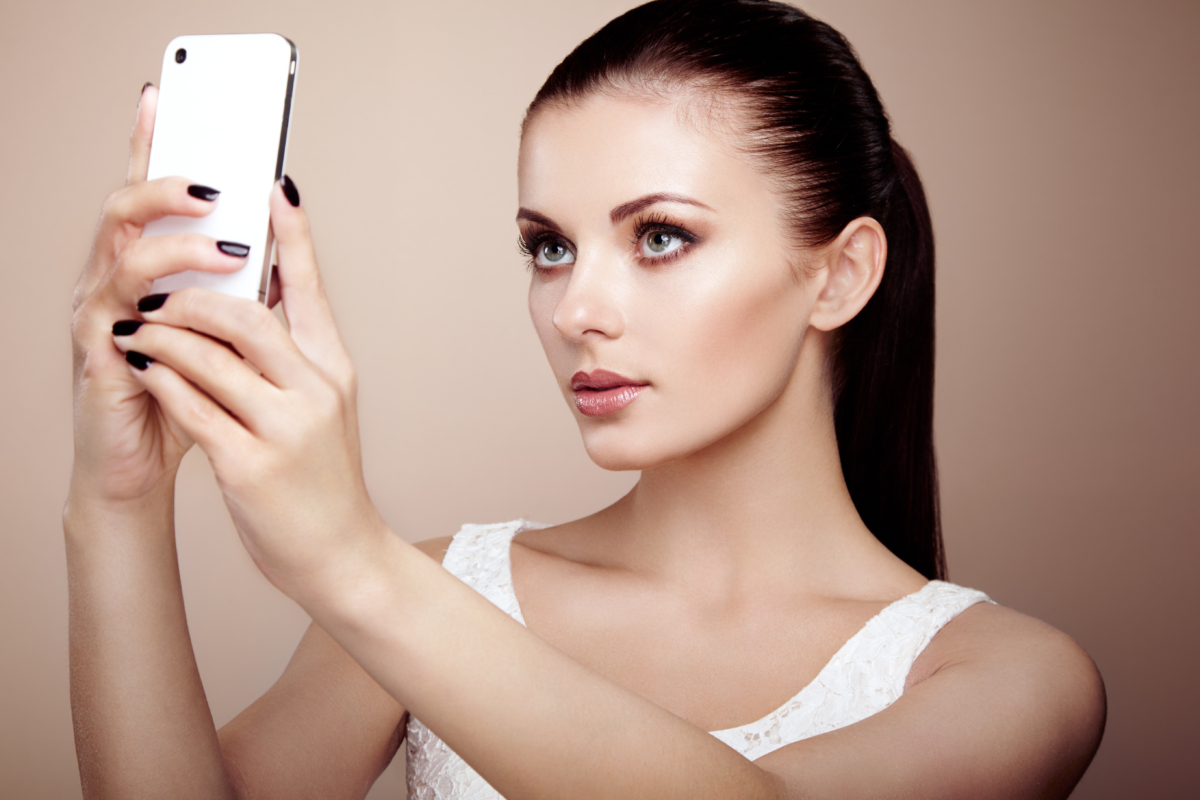
In a world where one can digitally erase a blemish or brighten the eyes with a click, many are seeking more permanent “edits” through the surgeon’s knife.
The Quest for the Perfect Selfie
From the grainy front-camera shots of the early 2010s to today’s HD, filter-rich portraits, the evolution of the “selfie” is evident. What began as candid snapshots have transformed into highly refined images, in large part because of technological advancements and social media’s influence.
Platforms such as Instagram and Facebook popularized high-quality, curated images. Snapchat and TikTok took it further by introducing user-friendly filters that offer instant enhancements. Users can now achieve clearer skin, prominent cheekbones, and idealized lighting conditions with a single tap.
A University of London report paints a telling picture: 90 percent of women resort to filters or edits, not just for flawless skin or teeth whitening, but also to alter facial structures and reduce perceived body weight.
“Selfies are often carefully curated and edited to select the best images that highlight their most attractive features while hiding perceived flaws,” said Dr. Tara Well, an associate professor of psychology at Barnard College and the author of “Mirror Meditation.”
“This can lead to unrealistic beauty standards and constant comparisons with the flawless images we see online,” she told The Epoch Times.
Digital Desires: Selfies and Cosmetic Surgery
The digital era has not only transformed how we remember moments but also reshaped beauty ideals. This shift gave rise to “Snapchat dysmorphia,” as coined in a Boston University School of Medicine article. This term encapsulates the desire of many to mirror their filtered online selves in real life.
A 2019 survey by the American Academy of Facial Plastic and Reconstructive Surgery (AAFPRS) underscores this trend: 72 percent of surgeons noted patients wanting procedures to enhance their selfie appeal, a notable 15 percent jump from the previous year.
The AAFRPS succinctly encapsulates this trend, commenting, “Whether you call it the ‘Kardashian Effect,’ ‘Selfie Mania,’ ‘Snapchat Dysmorphia,’ or the ‘Glow-Up’ challenge, every single taggable trend points to the same thing: social media’s ensuring and ever-increasing impact on the facial plastic surgery industry.”
A deep dive into global demographics paints a compelling picture. Remarkably, 51.4 percent of female university students in Saudi Arabia are enthusiastic followers of plastic surgeons online. Meanwhile, in the United States, 6.4 percent of those in higher education have already undergone cosmetic enhancements. Among them, 43 percent are considering further procedures, heavily influenced by media portrayals of beauty and the ever-persistent lure of cosmetic surgery promotions.
This trend continues beyond college doors. Dr. Rod J. Rohrich of the Dallas Plastic Surgery Institute emphasizes the pervasive influence of social media on even younger demographics.
“There’s a clear link between the proliferation of social media and the surge in teen cosmetic procedures,” he told The Epoch Times.
His research shows that in 2016 alone, procedures for those under 19 surpassed 229,551. According to Dr. Rohrich, this rise is driven by peer pressure and an emerging beauty trend known as “prejuvenation”—a preemptive strike against wrinkles. However, he’s quick to point out the lack of solid evidence backing this method.
Dr. Rohrich also raised alarms about the unchecked increase in teens seeking treatments such as Botox at spas.
“It’s distressing how easily teenagers can walk into any U.S. spa for Botox or fillers.” He emphasized the importance of turning to qualified professionals, urging teens and their parents to consult certified dermatologists or plastic surgeons who uphold ethical standards, including verifying age and securing parental consent.
The Cosmetic Industry Strikes Gold
The selfie trend has more than just teenagers and influencers hooked. It’s sent the cosmetic industry soaring to unprecedented heights. With young adults increasingly opting for treatments to enhance their online personas, cosmetic clinics are cashing in.
The International Society of Aesthetic Plastic Surgery (ISAPS) recorded a 19.3 percent increase in plastic surgeries in 2021, tallying up to 12.8 million surgical and 17.5 million non-surgical procedures. Over four years, aesthetic surgeries have seen 33.3 percent growth, with non-surgical procedures charting a formidable 54.4 percent rise.
The American Society of Plastic Surgeons indicates a marked uptick in cosmetic interventions among those aged 18 to 30, including Botox, dermal fillers, and laser resurfacing. Astonishingly, out of the 1.9 million Botox enthusiasts under 35, 106,000 were younger than 18.
Cleverly capitalizing on this trend, cosmetic clinics now court social media influencers with discounted or free treatments, hoping to gain online traction. This collaborative strategy underscores a cultural shift: Procedures once earmarked for the elite are now increasingly mainstream for younger audiences.
However, this cozy relationship between influencers and clinics is drawing ethical scrutiny. As hashtags such as “plasticsurgery” and “lipfiller” amass billions of views on TikTok, discerning genuine content from veiled advertising grows challenging.
Dubbed “selfie surgeries,” niche treatments cater to this tech-savvy generation’s appetite for specific looks, such as the sought-after “Kylie Jenner pout.” The resulting financial windfall for the industry is staggering. Cosmetic services span a broad price range, from $300 to $10,000 and even more. With ISAPS noting a 5 percent yearly rise in surgical treatments, the U.S. is a significant market driver.
Projected growth is robust: From $67.3 billion in 2021, the global cosmetic surgery market is poised to triple by 2031 to $201 billion.
Hidden Dangers of Cosmetic Pursuits
Amid the dazzling appeal of selfie culture lie the often-overlooked perils of cosmetic surgery. The immediate post-operative risks are seldom spotlighted, from infections and scarring to blood clots and nerve damage. Anesthesia, for more significant surgeries, adds another layer of unpredictability.
Research spanning 20 years and 26,032 cases has confirmed the relative safety of outpatient plastic surgeries when conducted by board-certified surgeons in accredited facilities. Yet, even then, 1 in 100 patients confront complications.
But even the seemingly benign procedures, such as the increasingly popular Botox among the youth, have their pitfalls. A detailed study on cosmetic Botulinum Toxin A injections for the upper face found that 16 percent of users faced complications, ranging from headaches to neuromuscular symptoms. Although many issues proved minor, the research emphasized the necessity for qualified professionals and highlighted the lack of uniformity in reporting these complications.
Adding depth to this narrative is a growing inclination among the young to seek unlicensed venues or overseas clinics, lured by the appeal of savings. States such as Florida, Texas, and California became focal points in 2013 for these hazardous shortcuts. The tragic outcomes, from hospitalizations to deaths, suggest a broader, largely unreported crisis.
Yet the implications extend beyond the physical. The rise in body dysmorphic disorder (BDD)—a condition characterized by a fixation on perceived appearance flaws—is concerning. Ironically, surgeries, seen as solutions, might intensify this psychological turmoil.
An exhaustive study from India, known for its high number of selfie-related accidents, delves into this issue. Surveying 300 individuals across major cities, the research attributes increased social anxieties and a growing propensity for cosmetic surgeries to selfie culture, with women predominantly affected.
The study refers to the “deleterious effects of uploading selfies on human well-being.” The authors warn of an “obsessively looks-oriented culture” engulfing youth, pointing to digital filters and a surge in real-world cosmetic procedures.
“The prevalent obsessively looks-oriented culture is engulfing our youth’s innocence and warrants immediate attention,” the authors conclude.
Dr. Well further highlights the mental health aspect.
“People with body dysmorphic disorder may engage in repeated cosmetic procedures in an attempt to fix perceived flaws, even if those flaws are not visible to others.”
“The pervasiveness of these filtered images can take a toll on one’s self-esteem, make one feel inadequate for not looking a certain way in the real world, and may even act as a trigger and lead to BDD,” Dr. Susruthi Rajanala stated.
Future of Beauty in a Filtered Age
In a world where the digital world can skew perceptions, the rise of cosmetic enhancements further blurs the lines of authenticity. But there’s a growing call to honor the innate beauty that each person possesses.
Leading this change is the #NoFilter campaign. This effort inspires authenticity by urging users, predominantly women, to showcase themselves without makeup or digital tweaks. The campaign is based on the idea that true beauty resides in our natural imperfections, an allure that no digital enhancement can truly capture.
Unilever’s “Campaign for Real Beauty” for its Dove brand amplifies this message. Initiated in 2004, it highlighted beauty’s vast tapestry by spotlighting women from varied backgrounds. A standout from their campaign was the “Evolution” video, which unveiled the dramatic alterations media can make, thereby spotlighting the skewed standards presented to the public.
More recently, Dove released the “Reverse Selfie” video. Dove’s efforts weren’t restricted to just campaigns; they forged a vibrant community on social media, endorsing the essence of genuine beauty.
Dove is furthering its mission with the Self-Esteem project. Teaming up with experts in psychology, health, and body image, the initiative aims to reimagine beauty as a source of confidence, not anxiety. The company’s website reveals a significant reach: more than 82 million young people benefiting from self-esteem education, while aiming to empower a quarter of a billion by 2030.
“Encouraging self-acceptance and promoting realistic beauty standards can help mitigate the negative impact of selfie culture on body image and mental health,” Dr. Well said.