



Imagine hearing a constant ringing, buzzing, or roaring sound that no one else can hear. This is tinnitus—the perception of sound without an external source.
Tinnitus is not a disease in itself but a symptom of an underlying condition. It is common, affecting 10 percent to 25 percent of adults and even some children.
While medical and technological treatments exist, many people seek natural approaches to manage their symptoms more holistically. From lifestyle modifications to alternative therapies, these options can offer meaningful relief when tailored to a person’s unique triggers and needs.
[shortcut_anchor id=”anchor_1760742394167″ label=”Types”]What Are the Types of Tinnitus?[/shortcut_anchor]
Understanding tinnitus begins with recognizing its two main types: subjective tinnitus and objective tinnitus. Subjective tinnitus accounts for more than 99 percent of cases. It describes sounds that only the affected person can hear, making it a deeply personal and often difficult-to-verify experience.
Objective tinnitus, by contrast, produces sounds that others can hear too—typically a physician using a stethoscope. These sounds usually originate from internal bodily functions, such as blood flow, making this rarer form more diagnosable and potentially treatable.
[shortcut_anchor id=”anchor_1760742412110″ label=”Symptoms”]What Are the Signs and Symptoms of Tinnitus?[/shortcut_anchor]
Tinnitus symptoms can vary widely from person to person, both in how they are experienced and what triggers them. The sounds may be heard in one ear, both ears, or within the head and can take many forms:
- Ringing, buzzing, hissing, or roaring
- Clicking or whistling
- Sounds resembling cicadas, running water, or escaping steam
These phantom sounds can be soft or loud, high- or low-pitched, and may be constant or intermittent.
In most cases, tinnitus is nonpulsatile, meaning the sound does not sync with the heartbeat. However, in rare cases of objective tinnitus, the sound often pulses rhythmically or comes and goes.
Some people notice changes in their tinnitus when they move their head, neck, eyes, or when they touch certain parts of their body.
The severity of tinnitus often depends on how a person responds to the condition rather than the sound itself. Many people struggle with sleep or concentration and may also feel anxious or depressed. While others also notice that their tinnitus worsens with stress.
If tinnitus is related to temporomandibular joint disorders, symptoms often include jaw or facial pain, limited jaw movement, and popping sounds when chewing or talking.
[shortcut_anchor id=”anchor_1760742417352″ label=”Causes”]What Causes Tinnitus?[/shortcut_anchor]
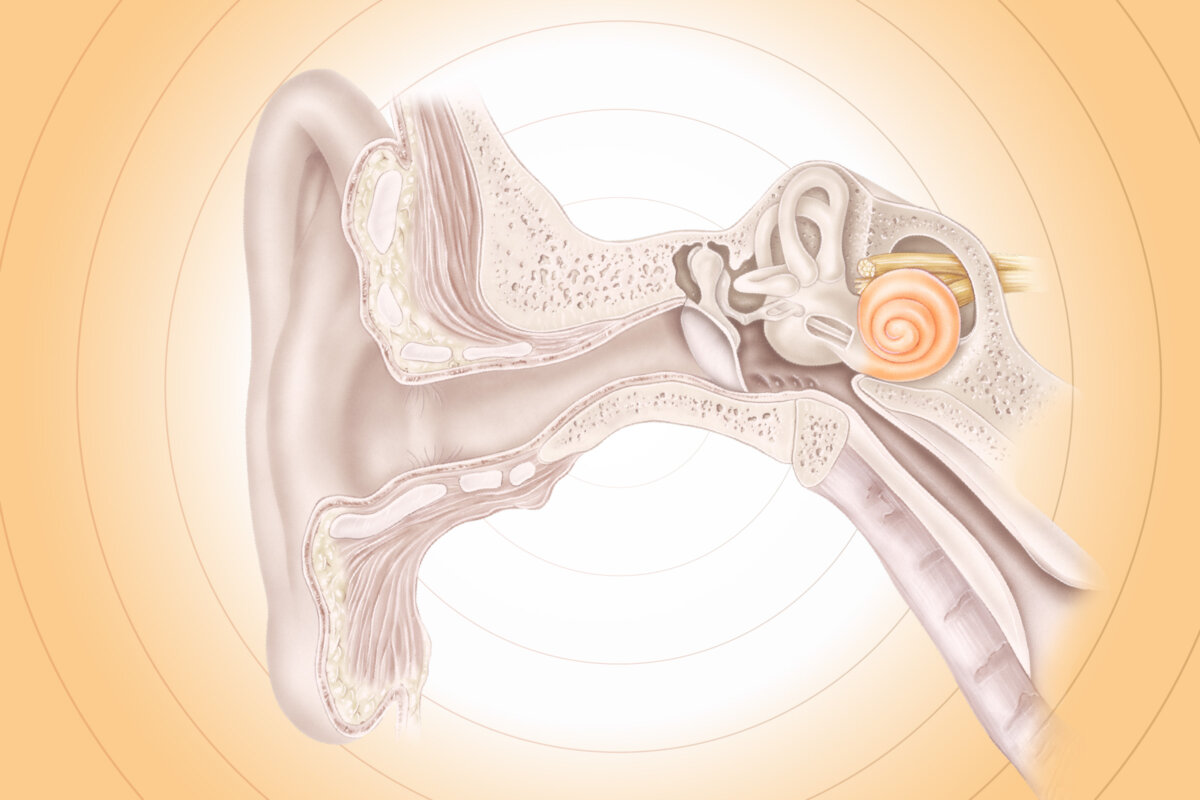
Sound waves enter the ear canal and pass through the middle and inner ear, where tiny hair cells in the cochlea convert them into electrical signals. These signals travel along the brain’s auditory cortex, where we perceive sound. Tinnitus occurs most often when something disrupts this pathway, causing damaged hair cells in the inner ear to send irregular electrical signals to the brain.
Subjective Tinnitus
Subjective tinnitus is believed to result from abnormal activity in the auditory cortex, often triggered by disruptions in the auditory pathway, such as damage to the cochlea, for example, hair cells within it, or the auditory nerve. This disruption may reduce the brain’s ability to suppress internal noise and could lead to the formation of new neural connections. The condition is sometimes compared to phantom limb pain— when the brain continues to perceive sensations from a missing limb.
While the exact causes of tinnitus are not fully known, several health conditions are associated with it:
- Hearing Loss: This remains one of the strongest links to tinnitus. When we lose certain sound frequencies, the brain changes how it processes sound. With reduced input, it may adapt by “filling in” the missing sounds, resulting in tinnitus. Age-related hearing loss typically begins around age 60 and affects both ears, particularly reducing high-frequency sound perception. This helps explain why tinnitus is so common in older adults.
Noise-induced hearing loss—caused by a single traumatic event or repeated exposure to loud sounds over time—can also damage the auditory system and may affect just one ear. - Acoustic Trauma: Exposure to loud sounds or explosions is the most common service-related disability among veterans due to noise from gunfire, explosions, and heavy machinery. Even without permanent hearing loss, acoustic trauma can disrupt the brain’s ability to receive expected auditory signals, leading to abnormal neural activity and phantom sounds.
- Certain Medications: Tinnitus can be a side effect of prescription medications, but it’s usually temporary and goes away after stopping the drug. However, some medications can cause permanent tinnitus, including nonsteroidal anti-inflammatory drugs (NSAIDs), certain antibiotics and cancer treatments, diuretics, and quinine-based drugs used for leg cramps.
- Middle Ear Obstructions: Blockages in the ear canal—such as earwax buildup, congestion, loose hairs, or foreign objects—can create pressure or irritate the eardrum, causing tinnitus. Removing the obstruction often relieves symptoms, but sometimes the blockage can cause lasting damage and chronic tinnitus.
- Head or Neck Injuries: These can affect nerves, blood flow, and muscles, leading to tinnitus. People with trauma-related tinnitus often experience louder, more variable sounds in different locations.
- Temporomandibular Joint Disorder: Damage to the temporomandibular joint’s muscles, ligaments, or cartilage may lead to somatic tinnitus, as this area shares nerves and ligaments with the middle ear.
- Eustachian Tube Obstruction: This blockage can disrupt pressure balance in the middle ear, leading to muffled hearing or a sensation of ear fullness. Conditions such as sinusitis, allergic rhinitis, gastroesophageal reflux, and colds can cause nasal mucosa inflammation and increased secretions that contribute to obstruction over time.
- Sinus Pressure and Barotrauma: Nasal congestion from a cold, flu, or sinus infection can cause pressure in the middle ear, leading to tinnitus. Acute barotrauma—ear damage from sudden changes in air or water pressure during diving or snorkeling, unusual altitude changes while flying, or explosive blasts—can also trigger symptoms.
- Traumatic Brain Injury: This can damage the brain’s auditory processing centers, leading to tinnitus.
- Other Medical Conditions: Tinnitus has been associated with various medical conditions, including anemia, diabetes, hypertension, atherosclerosis, migraines, Ménière’s disease, otosclerosis, Lyme disease, fibromyalgia, lupus, depression, and anxiety. While some of these conditions directly affect the ear or auditory pathways, others may influence tinnitus indirectly through vascular, neurological, or psychological mechanisms.
- Substances That Can Trigger or Worsen Tinnitus: Caffeine, nicotine, and other stimulants can worsen tinnitus. Meanwhile, Aspirin and other NSAIDs (such as ibuprofen or naproxen) may aggravate tinnitus in some people. Additionally, smoking constricts the blood vessels that deliver essential oxygen to the ears and their sensory cells.
Objective Tinnitus
Objective tinnitus is often caused by sounds generated from structures near the ear. The most common cause is turbulent blood flow in the carotid artery or jugular vein. Other causes include vascular-rich tumors in the middle ear, abnormally formed blood vessels in the brain’s outer membrane, narrowing or blockage of the brain’s venous drainage pathways, increased intracranial pressure, missing bone over certain ear structures, middle ear fluid that amplifies internal blood flow sounds, and certain medical conditions like anemia, hypertension, atherosclerosis, and multiple sclerosis.
Other Risk Factors
- COVID-19 Vaccines: A 2024 study found a higher incidence of tinnitus following both Vaxzevria adenoviral vector and mRNA COVID-19 vaccines. Another 2024 study identified hypertension, obesity, and thyroid disorders as risk factors that may increase the likelihood of developing tinnitus following Pfizer, Moderna, or Janssen COVID-19 vaccination.
- Body Fat: A 2024 study analyzed health data from more than 2,200 people and found that men with tinnitus—especially chronic cases—had higher body fat percentages (particularly in the trunk, arms, and legs), larger waistlines, and less leg muscle mass. These associations were not observed in women.
[shortcut_anchor id=”anchor_1760742426095″ label=”Diagnosis”]How Is Tinnitus Diagnosed?[/shortcut_anchor]
Tinnitus is not always a cause for concern, but certain symptoms warrant immediate medical attention. These include suicidal ideation, recent ear, head, or neck trauma, tinnitus in only one ear, and neurological symptoms such as balance issues, vertigo, or difficulty with vision, speech, swallowing, or walking. Those without warning signs but with recent-onset tinnitus or pulsatile tinnitus should also contact their doctor.
Diagnosing tinnitus often requires a comprehensive approach. Doctors begin by reviewing symptoms and medical history, followed by a physical exam focused on the ears and nervous system. The physical exam may be performed by an ear, nose, and throat (ENT) specialist, who checks hearing and may use a stethoscope to listen for objective tinnitus near the ear and neck. ENTs also often perform tuning fork tests to assess hearing function.
Tests
ENT doctors may order the following:
Imaging Tests: People with tinnitus in one ear and hearing loss should undergo a gadolinium-enhanced MRI. Those with pulsatile tinnitus may need imaging such as magnetic resonance angiography, computerized tomography angiography, or conventional angiography to evaluate blood vessels.
Hearing specialists, called audiologists, may examine patients with the following hearing tests:
- Speech Recognition Test: Evaluates how well a person can hear and repeat spoken words.
- Pure Tone Audiogram: Measures the ability to hear different sound frequencies and volumes.
- Tympanogram: Assesses middle ear function by measuring the movement of the eardrum and small bones in response to pressure changes.
- Acoustic Reflex Testing: Checks the reflexive contraction of middle ear muscles in response to loud sounds.
- Otoacoustic Emission Testing: Detects inner ear hair cell movement, indicating cochlear function.
[shortcut_anchor id=”anchor_1760820122880″ label=””]What Are the Treatments for Tinnitus?[/shortcut_anchor]
The most effective treatment is one that is tailored to the individual. When tinnitus is caused by an underlying physical issue, treating the root cause can significantly reduce or even eliminate symptoms. For instance, treating hearing loss—such as with the use of hearing aids—helps reduce tinnitus symptoms in approximately 50 percent of patients. However, for many people, their tinnitus can only be managed, as the underlying cause is uncertain.
1. Cognitive and Behavioral Therapy (CBT)
These are psychological approaches that help people manage the emotional and mental effects of tinnitus. Most current evidence-based clinical guidelines recommend CBT as first-line treatment, since it seems to be the most effective.
- Cognitive Therapy: Focuses on changing negative thought patterns related to tinnitus by teaching patients to adopt more positive, accepting attitudes.
- Cognitive Restructuring: Helps shift the belief that tinnitus deserves constant attention, promoting a more neutral response to the sound.
- Behavioral Therapy: Uses techniques such as systematic desensitization to reduce the emotional reaction to tinnitus. It incorporates positive imagery (visualizing and imagining pleasant scenes and sounds), attention control (training the mind to shift focus away from tinnitus), and relaxation training (such as progressive muscle relaxation to reduce physical tension) to improve coping and help people reclaim control over their response to tinnitus.
- Mindfulness-Based Cognitive Therapy (MBCT): A 2018 study involving 75 participants showed that MBCT significantly reduced tinnitus severity more effectively than relaxation-based treatments.
2. Sound Therapies
Sound therapies are based on the idea that tinnitus may result from changes in the brain’s neural circuits, often triggered by hearing loss. Exposure to external sounds may help reverse these neural changes by masking tinnitus, helping people grow accustomed to the sound, or simply distracting them from it. The devices used include:
- Tabletop or Smartphone Sound Generators: Also called maskers, they are typically used as sleep or relaxation aids. They can play calming sounds—such as ocean waves, rainfall, or nighttime nature sounds—to help mask tinnitus at night. White noise machines and even simple household items, such as a fan or radio, can serve this purpose for people with mild tinnitus.
- Combination Devices: Integrate both sound amplification and sound generation in a single ear-worn unit. They improve hearing while providing therapeutic background sounds to help manage tinnitus.
- Neuromonics Acoustic Desensitization Protocol: A specialized form of sound therapy that combines counseling with a body-worn sound processor and high-fidelity earphones delivering pleasant music, specifically filtered to match a person’s hearing loss profile.
3. Tinnitus Retraining Therapy (TRT)
TRT uses the brain’s ability to change (neural plasticity) to reduce the negative effects of tinnitus. It focuses on the parts of the brain that process emotion and stress—limbic and autonomic nervous systems—training the brain to treat tinnitus as something neutral and nonthreatening.
TRT’s two main components are: sound therapy and retraining counseling. The counseling helps the person understand that tinnitus isn’t dangerous and changes the emotional reaction to it, which is key to reducing distress.
This process of habituation typically takes about 18 months to achieve stable results.
4. Medicines
Current treatment guidelines for tinnitus do not recommend any medications, herbs, or supplements for tinnitus due to a lack of significant clinical evidence of safety and efficacy. Intravenous lidocaine is the only drug known to reliably reduce tinnitus by altering neural activity in the auditory cortex, but it is not practical for clinical use due to its short duration, need for injection, and frequent side effects.
5. Electrical Stimulation Therapies
These emerging treatments use electrical stimulation, especially for those with severe hearing loss:
- Cochlear Electrical Stimulation (Internal): Delivers tiny, rapid electrical pulses directly into the inner ear (cochlea). It often stops or greatly reduces tinnitus by restoring normal nerve signals in the auditory system. Patients usually don’t feel the pulses.
- Transcutaneous Electrical Nerve Stimulation (External): Involves placing electrodes on the skin near the ear to stimulate nearby nerves (the somatosensory pathway). The goal is to boost the brain’s natural ability to quiet abnormal sound signals, thereby reducing tinnitus.
6. Brain Stimulation Therapies
Brain stimulation therapies use safe, low-level electrical or magnetic currents to calm overactive neural pathways linked to tinnitus.
- Transcranial Direct Current Stimulation: A noninvasive technique that uses low-intensity electrical currents applied through scalp electrodes to influence brain activity, particularly in areas like the auditory cortex and prefrontal cortex.
- Transcranial Magnetic Stimulation: An FDA-approved therapy for depression uses magnetic pulses to influence brain activity in regions linked to tinnitus, such as the auditory cortex and limbic system. Some patients experience a temporary or lasting reduction in tinnitus loudness or distress.
7. Bimodal Neuromodulation
Bimodal neuromodulation combines sound stimulation through headphones with gentle electrical pulses to another part of the body. The dual stimulation retrains the brain’s auditory and somatosensory pathways, helping to reduce both the perception of tinnitus and the distress it causes.
The Lenire device, which received FDA approval in 2023, is the most commonly used system for this treatment. It has been shown to significantly reduce tinnitus symptoms in many patients.
8. Neck and Jaw Treatment
Self-massage and stretching of the neck and jaw muscles have been shown to significantly improve tinnitus, especially in patients with somatic tinnitus. Treating underlying jaw or neck issues can relieve tinnitus symptoms, and in some cases, lidocaine injections into jaw muscles, such as the lateral pterygoid, have been effective in reducing tinnitus.
If the temporomandibular joint—the hinge joint that connects the jawbone to the skull—is the underlying cause, a dentist may recommend dental appliances or at-home exercises to help manage teeth clenching and grinding.
9. Biofeedback
Biofeedback helps people become aware of normally involuntary bodily functions—such as heart rate or muscle tension—so they can learn to control them through conscious effort. When combined with counseling, biofeedback can reduce stress responses that often intensify the perception of tinnitus.
10. Craniosacral Therapy
This gentle, noninvasive technique combines massage and osteopathic methods to reduce nervous system arousal and improve blood flow in the head, supporting healthy nerve function.
11. Acupuncture
Acupuncture has long been used to treat tinnitus. Neuroscience research suggests its effects may involve stimulating neurons, activating the body’s natural opioids, and triggering neuropeptides that influence specific brain regions. A 2023 study on obese patients with chronic subjective tinnitus found that acupuncture significantly reduced tinnitus severity.
12. Herbal Medicines
Please consult a herbalist or traditional Chinese medicine practitioner before trying any herbal remedies.
- Bojungikgitang and Banhabaekchulchonmatang: These herbal decoctions, approved by the South Korean FDA, are commonly used there to treat tinnitus. A 2010 study demonstrated their effectiveness and safety in treating adults with tinnitus.
- Gushen Pian: This traditional Chinese herbal medicine—composed of Rhizoma Drynariae, miltiorrhiza, and G. glabra—is considered effective in treating tinnitus caused by kidney and spleen deficiency and fluid accumulation. It works by nourishing the kidney, strengthening the spleen, improving circulation, and reducing inflammation.
13. Supplements
Consult a doctor for dosage information if you decide to take the following supplements.
- Açaí: A 2022 study found that oral açaí extract supplementation reduced tinnitus discomfort across different causes and may be a viable treatment.
- Magnesium: People with tinnitus tend to have lower magnesium levels compared to the general population. A 2024 study found that the AUDISTIM® Day/Night supplement (magnesium, vitamins, and phytochemicals) significantly reduced tinnitus severity after three months—especially in people with permanent tinnitus—and improved sleep and stress levels. A 2011 study showed that magnesium supplementation may significantly reduce tinnitus-related handicap in patients with slight or greater impairment.
- Zinc: A vital trace element found throughout the body and auditory system, zinc deficiency is common among people with tinnitus, particularly older adults. While most small studies suggest zinc supplementation may help reduce tinnitus, more research is needed to confirm these benefits.
- N-acetylcysteine (NAC): With anti-inflammatory and antioxidant properties, NAC may help protect against hearing loss and reduce tinnitus symptoms, although more research is needed.
[shortcut_anchor id=”anchor_1760742439327″ label=”Lifestyle Approaches”]What Are the Natural and Lifestyle Approaches to Tinnitus?[/shortcut_anchor]
Although results vary from person to person, natural treatments can offer meaningful relief, especially when tailored to personal triggers and needs.
1. Self-Care Tips
- Avoid loud noises. If exposure is unavoidable, use earplugs or earmuffs.
- Get adequate rest. Sleeping with your head elevated can help reduce head congestion, which may make tinnitus sounds less noticeable.
- Avoid smoking and certain medications that may worsen tinnitus.
2. Certain Diets
A systematic review and meta-analysis of 15 common dietary factors and tinnitus incidence in adults concluded that higher intake of fruit, dietary fiber, caffeine, and dairy products is associated with a lower incidence of tinnitus.
Avoid the following tinnitus-triggering dietary components:
- Sodium (Salt): Salt can narrow blood vessels, raise blood pressure, hamper blood circulation, and increase fluid retention in the inner ear.
- Aspartame: This artificial sweetener may be harmful to the brain and inner ear, especially with long-term use or exposure to heat.
- Sugar: Poor sugar metabolism, such as high insulin levels, can aggravate tinnitus. Some people may benefit from a diabetic-style diet.
- Unhealthy Fats: Trans and saturated fats may reduce blood circulation, possibly intensifying tinnitus.
3. Music Therapy
Music therapy is a sound-based treatment that aims to reduce the emotional and perceptual effects of tinnitus by targeting both the auditory cortex and the limbic system—the brain’s emotional center. Many people find that classical music, especially pieces with minimal volume fluctuations, can be soothing and help reduce negative emotional responses to tinnitus. For those with hearing loss, the music may need to be adjusted to account for reduced hearing sensitivity, particularly in higher frequencies.
4. Meditation
The strong link between stress and tinnitus severity highlights the importance of stress management. Research suggests that meditation can calm the nervous system and retrain the brain’s response to internal sounds. By strengthening areas of the brain involved in attention and emotional regulation, mindfulness helps reduce the stress and anxiety that often worsen tinnitus. Over time, meditation can shift focus away from the noise, making it feel less intrusive and easier to live with.
In a 2022 study, participants with chronic tinnitus who completed an eight-week meditation program reported reduced anxiety, better emotional control, lessened tinnitus symptoms, and even healthier eating habits.
5. Self-Massage of Acupoints
Massaging the following acupuncture points may help relieve tinnitus symptoms:
- Auditory Convergence Acupoint (“Ting Hui“): Located close to the tragus of the ear—the small, pointed bump on the outer part of the ear that connects it to the face. Open your mouth and feel the area just in front of the tragus where your jaw moves. If you feel a dip when you press your finger there, gently massage that point in small circles with your thumb for one to three minutes on each side while keeping your mouth open. This point acts like a reset button for the ears, helping ease ringing and bringing a sense of calm.
- Hearing Palace Acupoint (“Ting Gong“): Located in front of the ear canal and often used for tinnitus relief. Use your index finger or thumb to massage the area in small circles for one to three minutes on each side.
6. Exercises
Regular exercise—such as walking—boosts blood flow to the ear, but prolonged activities like long bike rides that hyperextend the neck should be avoided.
According to Dr. Kuo-Pin Wu, director of Xinyitang Chinese Medicine Clinic, the following exercises can help manage tinnitus:
- Mastoid Process Massage: Gently massage the bony area behind the ear to improve local blood flow and relieve tension around the ear.
- Clustered Nodule Rubbing: Apply pressure to small, tight muscle knots (nodules) near the ear or neck to release muscle tension.
- Helix Massage: Rub or knead the outer rim of the ear (helix) to improve circulation.
For more details, please read the full article.
[shortcut_anchor id=”anchor_1760742452936″ label=”Mindset”]How Does Mindset Affect Tinnitus?[/shortcut_anchor]
Mindset plays a significant role in how people experience and cope with tinnitus. While not everyone with tinnitus suffers from anxiety, research has shown a clear connection between the two. A 2020 study found that people with an anxiety disorder were three times more likely to experience tinnitus than those without anxiety.
Anxiety doesn’t necessarily cause tinnitus, and tinnitus doesn’t always lead to anxiety—but they can influence each other. In particular, anxiety can heighten a person’s subjective perception of tinnitus, making the sounds seem more intrusive, distressing, or disabling than they might otherwise be. A negative or anxious mindset may lead to an increased focus on tinnitus, which increases emotional distress and creates a cycle that’s hard to break.
Support groups provide a space for people with tinnitus to share experiences, exchange coping strategies, and receive emotional support from others facing similar challenges. Connecting with others who understand what you’re going through can be invaluable in managing the condition.
[shortcut_anchor id=”anchor_1760742458400″ label=”Prevention”]How Can I Prevent Tinnitus?[/shortcut_anchor]
In addition to the self-care tips, the following strategies can help minimize tinnitus risk:
- Supplement With Vitamins and Minerals: Taking supplements like magnesium and a quality multivitamin with vitamins A, C, and E may help protect the inner ear’s hair cells and support overall ear and brain health, particularly in people who don’t follow a balanced diet.
- Turn Down the Volume on Auditory Devices: Keep volume levels moderate, especially when using earbuds, which are linked to inner ear damage. Opt for audio devices with lower decibel ratings.
- Stay Up to Date With Comprehensive Physicals: Regular medical checkups can help detect the underlying health conditions that may contribute to tinnitus, allowing for early intervention.
[shortcut_anchor id=”anchor_1760742464615″ label=”Complications”]What Are the Possible Complications of Tinnitus?[/shortcut_anchor]
While tinnitus doesn’t cause hearing loss—as is sometimes mistakenly believed—it can lead to significant complications that affect quality of life.
- Emotional and Psychological Issues: Includes anxiety, depression, agitation, and insomnia.
- Impaired Cognitive Functions: Involves reduced concentration and short-term memory.
- Increased Suicide Risk: A 2023 study revealed that people with tinnitus have about twice the risk of attempting suicide within one year compared to those without tinnitus, even after accounting for various demographic and health factors.
- Hyperacusis: An increased sensitivity to everyday sounds that most people find tolerable, affecting more than 15 percent of people with tinnitus.