



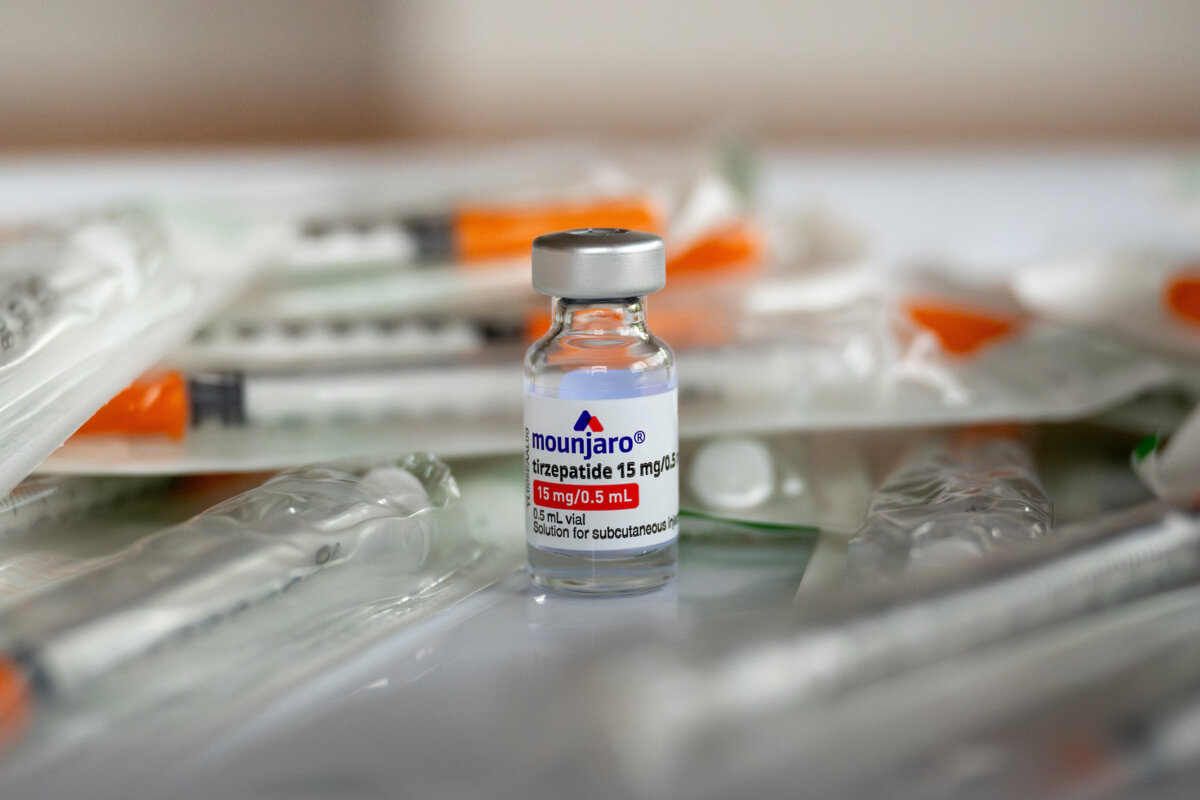
Tirzepatide, the popular diabetes drug sold as Mounjaro and Zepbound, more than doubles the risk of developing a severe, sight-threatening eye condition in patients who already have eye damage, according to a large study published recently in Diabetologia.
The research found that 1.1 percent of tirzepatide users developed proliferative diabetic retinopathy (PDR)—a serious form of diabetic eye disease that can cause blindness—compared to just 0.5 percent of patients not taking the drug.
Most cases occurred in patients who already had mild retinal damage from diabetes.
Data From Nearly 7,000 Patients
Researchers analyzed electronic medical records from more than 6,800 adults with Type 2 diabetes at Imperial College London Diabetes Centre. The study compared 3,435 patients who took tirzepatide for at least six months with an equal number of matched patients who did not use the medication.
The research focused on patients who had eye screenings both before and after tirzepatide became available at the clinic in October 2022. Patients were carefully matched based on sex, duration of diabetes, baseline blood sugar control, retinal health status, and other medications.
In the general diabetic population, the prevalence of PDR is approximately 2.3 percent to 7.5 percent.
Researchers found tirzepatide use was associated with a little more than double the odds—115 percent—of developing PDR compared with those not on the medication. This translates to an incidence rate of about seven cases per 1,000 person-years among tirzepatide patients.
In PDR, abnormal new blood vessels (neovascularization) grow on the retina—and potentially the optic disc—leading to vision loss if not treated.
This condition is the most severe stage of diabetic retinopathy, a complication of diabetes.
Outcomes without treatment can include vitreous hemorrhage, retinal detachment, and neovascular glaucoma, which can cause blindness. Treatment options such as laser photocoagulation, injections, and surgery may help prevent or reduce vision loss.
Timing and Risk Factors
The average time to detection of PDR was approximately 11 months after starting tirzepatide. Most patients already had mild retinal damage and swelling from diabetes.
Patients with no prior retinal damage had a lower risk of developing retinal complications. Among these patients, taking tirzepatide was associated with a 27 percent reduction in the odds of developing any retinopathy during follow-up.
Sudden Changes in Blood Sugar and Eye Risk
Tirzepatide works by mimicking hormones that stimulate insulin release and suppress appetite, leading to significant blood sugar reductions. Previous research has shown that rapid reductions in blood sugar can sometimes trigger early worsening of diabetic retinopathy, possibly because sudden changes in blood sugar levels put stress on fragile retinal blood vessels.
This phenomenon has long been associated with intensive glycemic control, noted Dr. Meenal Agarwal, a board-certified optometrist not involved in the study. A reduction in blood sugar can cause changes in blood flow and may disrupt the blood–retina barrier, which can contribute to retinal damage, she said.
While patients in this study experienced a modest average drop in HbA1c levels—the average of glucose levels over the past two to three months—of roughly 0.4 percent, the association with increased PDR suggests that rapid reduction in blood sugar may not be the major factor increasing PDR risk.
“However,” Agarwal added, “this doesn’t mean we avoid tirzepatide in these patients, but to start with appropriate monitoring and gradual glucose reduction.”
Importance of Monitoring Eye Health
The findings reinforce the importance of regular eye monitoring protocols for patients starting tirzepatide, particularly those with existing retinal damage.
Patients prescribed the drug should be educated on the early warning signs of worsening diabetic retinopathy, Agarwal said.
These include:
- Sudden changes in vision
- Dark spots or shadows—also called scotomas—in central or peripheral vision
- Flashes of light, which may indicate retinal traction or detachment
- Distortion of straight lines, which may signal macular edema (swelling)
Key strategies to prevent or manage worsening retinopathy in patients on glucose-lowering therapies include controlling blood sugar and lipids, and gradually reducing blood sugar to avoid overly rapid drops in HbA1c—especially in patients with longstanding poorly controlled diabetes, Agarwal stated.
Researchers noted that while tirzepatide offers substantial benefits in blood sugar control and long-term diabetic complication prevention, clinicians should weigh the risks carefully, especially in patients with existing eye disease.
Eli Lilly and Co., the pharmaceutical company that manufactures tirzepatide, did not respond to requests for media comments.