



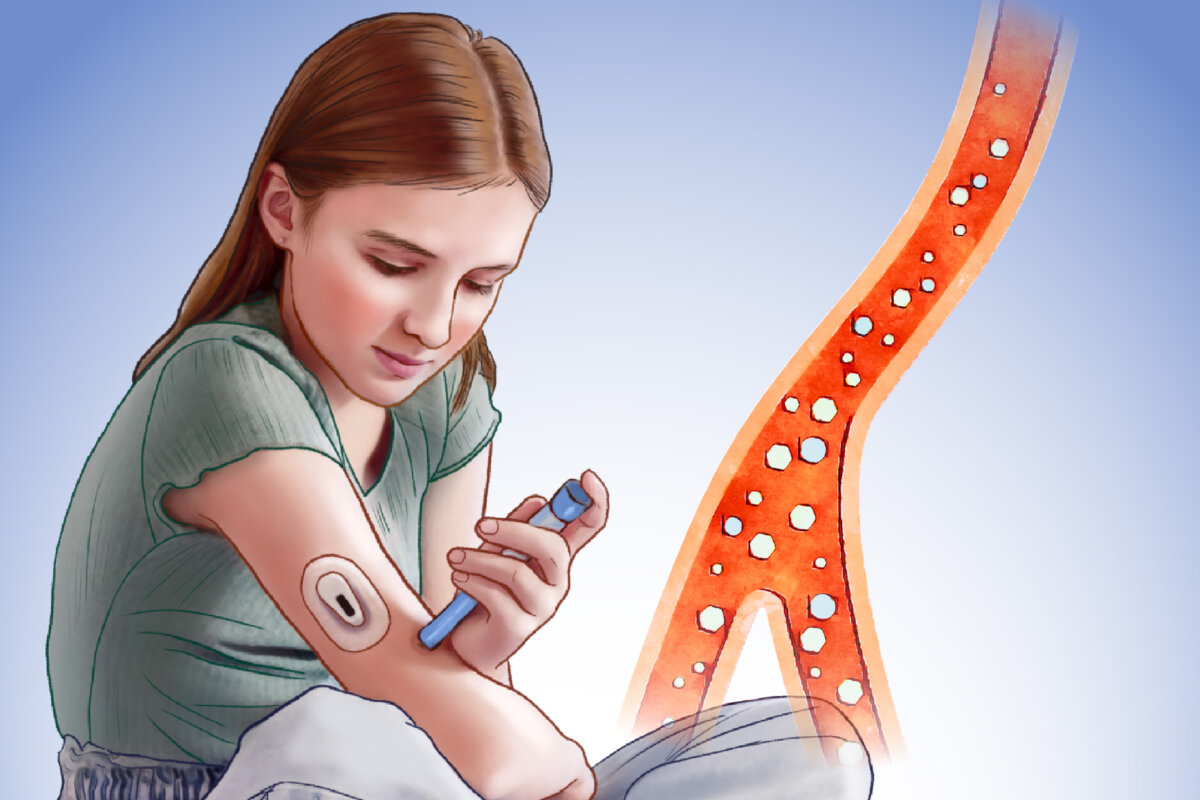
Type 1 and Type 2 diabetes may share a name, but they are fundamentally different conditions. Type 1 diabetes is an autoimmune disease. It affects an estimated 9.5 million people worldwide, including up to 2 million children and adolescents. In this condition, the immune system mistakenly attacks the pancreas’s insulin-producing cells, leaving the body unable to move sugar out of the bloodstream and into cells for energy.
Without insulin therapy, Type 1 diabetes is fatal. However, insulin has risks. Even with proper insulin management, elevated blood sugar can damage the heart, eyes, kidneys, nerves, and other organs, leading to serious life-threatening complications.
Emerging research suggests that dietary and lifestyle approaches can help improve blood sugar control, reduce insulin requirements, and lower the risk of complications.
[shortcut_anchor id=”anchor_1769215933516″ label=”Symptoms”]What Are the Symptoms and Early Signs of Type 1 Diabetes?[/shortcut_anchor]
Symptoms and signs vary by the stage of disease, which progresses through three distinct stages. In stage one, autoantibodies are present without symptoms. In stage two, the autoimmune attack intensifies, and blood sugar control becomes disrupted. In stage three, approximately 60 percent to 90 percent of beta cells—the pancreas’s insulin-producing cells—have been destroyed, resulting in high blood sugar and the onset of symptoms.
Symptoms are usually mild at the onset but worsen over days, weeks, or months and may include the following:
- Increased thirst
- Frequent urination and bedwetting in children
- Unexplained weight loss
- Fatigue
- Blurred vision
Warning Signs of Diabetic Ketoacidosis
Because Type 1 diabetes can progress quickly, especially in children, early symptoms can escalate into diabetic ketoacidosis, a medical emergency. When insulin is too low, the body burns fat as energy instead of glucose, producing acidic ketones that can build up to dangerous levels. Currently, about 40 percent of children in the United States have diabetic ketoacidosis at the time of diagnosis.
In addition to classic symptoms, diabetic ketoacidosis may include the following:
- Nausea, vomiting, and abdominal pain
- Confusion, headache, and lethargy
- Dizziness or lightheadedness
- Fruity-smelling breath
- Deep, labored breathing
- Rapid heartbeat
- Little or no urine, or dark urine
- A general feeling of being unwell or weakness
[shortcut_anchor id=”anchor_1769215951916″ label=”Causes”]What Causes Type 1 Diabetes?[/shortcut_anchor]
In a healthy person, the pancreas regulates blood sugar by releasing insulin when needed. After eating, blood sugar rises, and insulin acts like a key that allows glucose to move from the bloodstream into cells for energy. As blood sugar levels fall, insulin release decreases. This process helps maintain stable blood sugar throughout the day.
In Type 1 diabetes, the immune system destroys the insulin-producing beta cells in the pancreas. As a result, insulin production declines. Glucose then remains in the bloodstream instead of entering cells for energy. This creates two problems at once: high blood sugar and inadequate energy supply to cells.
Genetics play a role in the development of Type 1 diabetes, but they do not tell the whole story. While researchers have identified multiple genes linked to the condition, two important facts stand out:
- Most people with Type 1 diabetes have no family history of the condition.
- Most people with genetic risk never develop the condition.
This shows that genetics alone do not cause Type 1 diabetes. Instead, they create a vulnerability that environmental factors can trigger.
Environmental Triggers
Research has identified several environmental factors that can influence immune regulation, gut integrity, or inflammation and contribute to autoimmune activation, including the following:
- Vitamin D deficiency
- Gut microbiota and increased intestinal permeability (“leaky gut“)
- Toxic exposures to air pollution, pesticides, and chemicals
- Psychological stress
- Certain drugs, such as pentamidine and antibiotics
- Gluten and other dietary factors, which may indirectly influence risk through effects on intestinal permeability and gut microbiota
- Bacterial and viral infections, including mumps, rubella, enteroviruses, cytomegalovirus, rotavirus, influenza, and SARS-CoV-2
- COVID-19 vaccinations, which have been associated in reported cases with new-onset disease, worsened blood sugar control, and diabetic ketoacidosis
Scientists believe these environmental factors work through a process called epigenetics—meaning they can flip genetic switches on or off without changing DNA itself. This helps explain why two people with the same genetic risk can have different outcomes, why rates of Type 1 diabetes are increasing (genes do not change this fast, but environments do), and why the condition can develop at any age, not just in childhood.
Risks During Pregnancy and Early Life
For children at high risk, several factors during pregnancy and infancy may influence Type 1 diabetes development, including the following:
- Pre-pregnancy obesity in both the mother and father
- Maternal exposure to air pollution, higher gluten intake, or infection during pregnancy
- Early introduction to gluten and cow’s milk, which may reflect shorter breastfeeding duration, early protein exposure, or increased intestinal permeability; early antibiotic exposure and dysbiosis, a gut microbiome imbalance
Other Risk Factors
While the factors above may trigger Type 1 diabetes, the following characteristics influence the likelihood of developing it:
- Age: The condition was originally called “juvenile diabetes,” but it can occur at any age. Early signs often appear before age 3, and peak diagnostic rates occur at ages 4 to 7 and 10 to 14.
- Family History: Although this increases risk, about 90 percent of people diagnosed have no family history.
- Caesarean Birth: Being born by C-section affects the infant’s microbiome and is associated with an increased risk of developing symptomatic Type 1 diabetes. It may also speed disease progression.
- Formula Feeding: Two large cohort studies revealed that the risk doubled in infants who were never breastfed.
- Weight: Overweight and obesity are associated with an increased risk, even with low-risk genetics.
- Autoimmunity: Celiac disease and autoimmune hyperthyroidism (Graves’ disease) and hypothyroidism (Hashimoto’s thyroiditis) are strongly associated with Type 1 diabetes. People with one of these conditions have a threefold increased risk.
[shortcut_anchor id=”anchor_1769215966341″ label=”Forms”]What Are the Forms of Type 1 Diabetes?[/shortcut_anchor]
Type 1 diabetes can present in clinically distinct forms that affect diagnosis, progression, and initial treatment approach:
- Classic Childhood-Onset: Most diagnoses occur in childhood or adolescence, when symptoms appear suddenly after most beta cells are destroyed.
- Adult-Onset or Latent Autoimmune Diabetes in Adults: Sometimes called “Type 1.5,” this slower-progressing form may initially resemble Type 2 diabetes but eventually requires insulin as beta cells are gradually destroyed.
- Idiopathic Type 1 Diabetes: A small percentage of people show no detectable autoantibodies but have the same symptoms and insulin needs as other forms of Type 1 diabetes.
[shortcut_anchor id=”anchor_1769215973183″ label=”Diagnosis”]How Is Type 1 Diabetes Diagnosed?[/shortcut_anchor]
Misdiagnosis of Type 1 diabetes is common in adults, especially among people with obesity. A cohort study showed that approximately 25 percent of people over 30 who actually have Type 1 diabetes are first labeled as having Type 2 diabetes. Case reports also document people with clear autoimmune Type 1 who were mismanaged for months or years because no antibody or C‑peptide testing was done.
Testing C-peptide, which is secreted with insulin, can also reveal misdiagnosis in the other direction. Researchers found that 11 percent of adults diagnosed with Type 1 diabetes actually have Type 2 diabetes when C-peptide levels are measured years later. About 25 percent of these patients can stop taking insulin once the correct diagnosis is made.
This highlights why proper testing—not just for glucose levels, but also for both autoantibodies and C-peptide—is essential for accurate diagnosis and appropriate treatment of Type 1 diabetes.
Core diagnostic blood sugar tests include:
- Fasting and random blood glucose tests
- Oral glucose tolerance test, which measures blood glucose before and two hours after drinking a glucose solution
- Glycosylated hemoglobin (A1c), which reflects average blood sugar over about two to three months
The following additional tests may also be used to assess overall health and to check for diabetic ketoacidosis, a life‑threatening complication more common at presentation in Type 1 diabetes:
- Basic metabolic panel (blood test)
- Urinalysis to check for ketones
- Arterial blood gas test
Functional medicine practitioners often test vitamin D and nutrient levels and may use comprehensive stool analysis to evaluate gut microbiome composition, digestive function, inflammation, and markers related to gut barrier integrity.
Tests that help distinguish Type 1 diabetes from Type 2 diabetes include the following:
- Autoantibody testing for islet autoantibodies, such as glutamic acid decarboxylase, insulinoma-associated antigen-2, and zinc transporter 8
- C‑peptide testing
[shortcut_anchor id=”anchor_1769215989317″ label=”Treatments”]What Are the Treatments for Type 1 Diabetes?[/shortcut_anchor]
Type 1 diabetes treatment focuses on replacing missing insulin, monitoring blood sugar, and lowering the risk of acute and long‑term complications. Management is lifelong and largely self‑directed.
The following core treatments represent the tools used to manage Type 1 diabetes and maintain metabolic stability.
1. Insulin Therapy
The cornerstone of treatment for over a century, insulin therapy is essential for survival. It is typically administered multiple times daily via injection, insulin pen, pump, or, less commonly, by inhaler. Doses will vary throughout life and require adjustments based on glucose levels, food intake, physical activity, stress, and illness. Insulin therapy carries risks, including hypoglycemia (low blood sugar), weight gain, headache, and injection-site reactions. Careful management is required to balance avoiding these side effects with preventing high blood sugar.
2. Blood Sugar Monitoring
Regular blood sugar monitoring is required so insulin doses can be matched to food, activity, stress, and illness. Monitoring can be done with finger‑stick glucose meters or continuous glucose monitors, which are now preferred. Continuous glucose monitors are usually worn on the upper arm or abdomen and transmit real-time readings to a receiver or app, allowing users to see how specific foods affect blood sugar. In some systems, continuous glucose monitors integrate with insulin pumps to function as an “artificial pancreas,” automatically adjusting insulin delivery based on glucose levels.
3. Education and Self-Management
Learning how to administer insulin, understand what raises or lowers glucose, recognize warning signs, and treat very high or very low blood sugar is essential for self-management. Education also typically covers nutrition guidance, carbohydrate counting, meal planning, food label reading, and appropriate physical activity.
Other Advanced Medical Treatments
In addition to the foundational treatments, several disease-modifying and surgical approaches are being used or actively studied to modify disease progression or restore insulin-producing capacity. These include the following:
1. Disease-Modifying Immunotherapy
After diagnosis, the pancreas often continues to make some insulin for years, and almost one out of three people still have measurable insulin production three or more years later. Immunotherapy aims to preserve this remaining insulin secretion in the early stages, which may help reduce blood sugar swings and lower the risk of long‑term complications.
2. Anti-CD3 Monoclonal Antibodies
Teplizumab is an immune‑modulating drug approved to delay progression from stage two to stage three Type 1 diabetes in people who are at least age 8. It is given as a daily intravenous infusion lasting more than 30 minutes for 14 consecutive days, along with premedications to reduce the risk of reactions and other side effects. In the main clinical trial, disease progression was delayed by 24 months in participants who received teplizumab compared with those in the placebo group.
3. Transplants
In rare cases—usually when diabetes is very difficult to manage or when other organs are failing—transplant procedures may be considered. In some cases, transplants may potentially cure Type 1 diabetes, but lifelong immune suppression is required to prevent rejection.
- Islet Cell Transplant: Transplantation of insulin-producing cells (islets) from a donor pancreas into the recipient’s liver to restore insulin production.
- Pancreas Transplant: Surgical replacement of the entire pancreas with a donor organ.
Future Directions
Scientists are actively working on approaches that could one day eliminate the need for lifelong insulin therapy. Current areas of research include the following:
- Stem Cell-Derived Islet Therapy: Small, early trials show reduced or no insulin needs in some participants.
- Improved Artificial Pancreas Systems: Development of more fully automated systems that require no user input and, in some experimental models, combine insulin delivery with small glucagon doses to better mimic the body’s glucose regulation.
- Encapsulated Cell Therapy: Experimental approaches that protect transplanted insulin-producing cells from immune attack, eliminating the need for immune suppression.
While these approaches show promise, most remain in early trials and are not yet available as standard treatments.
[shortcut_anchor id=”anchor_1769216189964″ label=”Lifestyle Approaches”]What Are the Natural and Lifestyle Approaches to Type 1 Diabetes?[/shortcut_anchor]
While conventional treatments are necessary, they do not modify the underlying autoimmune process, which involves inflammation and poor gut health. Alongside conventional treatments, natural and lifestyle approaches can help reduce inflammation and insulin needs, support a healthy microbiome and gut lining, stabilize blood sugar, and protect against organ damage.
Dietary Strategies
Diet can directly affect insulin requirements. No single “optimal” diet exists; the best approach is personalized, sustainable, and focused on reducing inflammation and insulin requirements while supporting metabolic and gut health. The right types and amounts of carbohydrates vary by person, and the quality of carbohydrates, fats, and proteins is also important.
Protein and Fat
Protein aids repair, satiety, and metabolism without rapid glucose spikes. However, large portions may cause delayed rises in some people. Replacing refined carbohydrates with healthy fats from olives, avocados, nuts, seeds, and cold-water fish can help with satiety (fullness), metabolic health, and inflammation.
Carbohydrates and Blood Sugar Response
Counting carbohydrates is essential for estimating insulin needs, but not all carbohydrates affect blood sugar equally—even when carbohydrate grams are identical. Two concepts help predict insulin requirements more accurately:
Net Carbs: Total carbohydrates minus fiber and certain sugar alcohols. Because fiber slows absorption and has minimal blood sugar impact, net carbs often provide a better estimate of insulin needs than total carbohydrates alone.
Glycemic Load: A measure that combines how quickly a food raises blood sugar (glycemic index) with how many digestible carbohydrates it contains in a typical serving. Glycemic load predicts real-world blood sugar impact better than carbohydrate counting alone. Choosing mostly low-glycemic load foods can help reduce blood sugar fluctuations and insulin needs.
Evidence-Based Dietary Patterns
While nutritional needs vary by person, several evidence-based dietary patterns have demonstrated significant efficacy in managing metabolic health and reducing long-term complications.
Low-Carbohydrate Approaches
Studies consistently support low-carbohydrate diets for diabetes, although these approaches vary widely in the amount of fats and fiber. Conventional guidelines limit refined carbohydrates, ultra-processed foods, and total fat—particularly saturated fat—while recommending that carbohydrates provide 45 percent to 60 percent of total calories as the main energy source.
Ketogenic Diet: A very low-carbohydrate (20 to 50 grams per day), high-fat (60 percent to 75 percent of calories) approach aims to shift fuel use toward ketones from fat. This pattern prioritizes quality fats, nonstarchy vegetables, and low-net-carbohydrate plant foods. Evidence is limited and mixed, but potential benefits include reduced body weight, lower A1c levels, and decreased insulin needs. Requires medical supervision due to risks of hypoglycemia and ketoacidosis.
Several other evidence-based approaches may support blood sugar stability and long-term health in people with Type 1 diabetes.
- Mediterranean Diet: Emphasizes fiber and diverse phytonutrients that help reduce inflammation, support the gut microbiome, and minimize blood sugar spikes.
- Dietary Approaches to Stop Hypertension (DASH) Diet: A plant‑forward eating pattern that emphasizes fruits, vegetables, whole grains, and low‑fat dairy. In youth with Type 1 diabetes, this approach has been associated with lower A1c levels and reduced cardiovascular risk.
- Gluten-Free Diet: A study of 15 newly diagnosed children revealed that maintaining a strict gluten-free diet yielded better short-term glycemic control. In a case report, a newly diagnosed 5-year-old boy without celiac disease achieved prolonged remission without insulin therapy during the 20-month follow-up period. Another small clinical trial involving children with Type 1 diabetes and early, symptom-free celiac disease also reported metabolic improvements. Overall, these preliminary findings suggest gluten elimination may be helpful for some, but larger, longer-term trials are needed.
Supporting Gut Health Through Diet
Reducing dietary triggers that irritate the gut or increase intestinal permeability may help support a healthier gut barrier and microbiome. While immune and inflammatory triggers vary by person, common dietary triggers include the following:
- Highly processed foods
- Gluten
- Excess added sugar or salt
- Alcohol
Foods that provide gut-supportive nutrients and prebiotics to nourish beneficial microbes include the following:
- Fatty fish, which provide omega-3 fatty acids
- Butter and ghee, which contain butyrate, a gut-supportive short-chain fatty acid
- Raw fermented foods, which provide probiotics and prebiotics
- Prebiotic-rich foods, such as garlic, onion, and asparagus
Working with a qualified functional medicine practitioner or nutrition professional can help tailor a personalized plan.
Supportive Nutrients and Supplements
Quality, bioavailability, and dosing vary widely, so guidance from a qualified nutrition professional is recommended. Always check with your health care provider or pharmacist for possible interactions before starting supplements.
Vitamins and Minerals
Several vitamins and minerals support immune regulation, gut health, and metabolic stability:
- Vitamin A: Supports gut barrier integrity and promotes healthier gut microbiota diversity
- Vitamin D3: Deficiency is common, especially in northern latitudes, and linked to higher autoimmune risk. Testing is key to safe optimization.
- Magnesium Oxide: Magnesium deficiency is common in diabetes and linked to serious complications. Magnesium oxide has been shown to improve glycemic control in children with Type 1 diabetes. Consult a professional for the best form and dosing.
- Zinc: Deficiency is associated with increased Type 1 diabetes risk and altered gut microbiota in children. Zinc supports gut integrity and immune regulation.
Glutamine
The amino acid, l-glutamine, is the preferred fuel for intestinal lining cells and may help strengthen the gut barrier and support tissue repair.
Essential Fatty Acids
Omega-3 fatty acids are considered essential because the body cannot produce them and must obtain them from diet or supplements. These fats support immune balance and reduce inflammation. Common supplemental forms include:
- Fish oil, which contains eicosapentaenoic acid (EPA) and docosahexaenoic acid (DHA)
- Algae (seaweed) oil, which provides DHA and EPA
Polyphenols
Polyphenols are beneficial plant compounds found in colorful fruits, vegetables, tea, and spices. They help calm inflammation and support gut barrier function. Common examples include the following:
- Quercetin, found in onions, apples, and berries
- Epigallocatechin gallate, found in green tea
- Resveratrol, found in grapes and berries
- Curcumin, found in turmeric
Lifestyle Changes for Comprehensive Management
Lifestyle habits are a core part of comprehensive Type 1 diabetes management. Current guidelines emphasize the following:
- Physical Activity: Regular aerobic and resistance exercise improves insulin sensitivity, supports weight management, and lowers cardiovascular risk factors. Exercise intensity and timing should be individualized to fitness level and adjusted to minimize hypoglycemia risk.
- Quality Sleep: Sleeping more than 6.5 hours per night is associated with improved glycemic control and reduced inflammation. Good sleep hygiene—such as keeping the bedroom dark and cool, following a regular schedule, and limiting screen use before bed—can help improve both sleep quality and duration.
- Stress Management: Chronic stress activates the body’s stress response, increasing cortisol and sympathetic nervous system activity. These changes raise blood glucose and reduce insulin effectiveness. Multiple studies show a positive correlation between chronic stress and higher A1c levels. Therefore, a person’s mindset toward diabetes and its stressors can influence the stress response and health outcomes. Mindfulness-based therapies provide skills for regulating stress, including cognitive reframing, acceptance, and attentional control to help reduce negative behaviors and calm the stress response. Mindfulness practices, such as meditation, breath awareness, and tai chi, have been shown to improve perceived stress, mood, sleep quality, and inflammatory markers.
[shortcut_anchor id=”anchor_1769216378628″ label=”Mindset”]How Does Mindset Affect Type 1 Diabetes?[/shortcut_anchor]
Living with Type 1 diabetes comes with a substantial mental and emotional burden. People with diabetes are two to three times more likely to experience depression and 20 percent more likely to be diagnosed with anxiety than those without diabetes. The constant demands of blood sugar monitoring, insulin dosing, dietary decisions, and concern about complications contribute to chronic psychosocial stress—often referred to as diabetes distress—which can interfere with self-care and glucose regulation.
Research suggests that how people think about and approach their condition can meaningfully influence health outcomes. In youth with Type 1 diabetes, hope has been linked to more frequent blood glucose monitoring, fewer depressive symptoms, and better glycemic control. Resilience‑building programs for adolescents have been shown to reduce diabetes distress and improve self‑management behaviors and glycemic control, and higher resilience in young adults is associated with better A1c levels, a measure of average blood sugar over the past two to three months.
Mindset strategies that may support better diabetes management include the following:
Reframing Setbacks as Information: Research shows that adolescents with Type 1 diabetes who approach challenges with problem-solving strategies have better blood sugar control and emotional well-being than those who use avoidance coping. Viewing high blood sugar readings or dietary “mistakes” as useful data rather than personal failures supports this problem-solving approach—making it easier to stay engaged with monitoring and daily management decisions without shame getting in the way.
Cultivating Self-Efficacy: Confidence in one’s ability to manage diabetes—built through small, consistent wins and skill building—is associated with better glycemic control and improved quality of life. Working with educators or support groups can strengthen this sense of capability.
Shifting Perspective From Perfection to Progress: Recognizing that diabetes management focuses on patterns and trends rather than perfect numbers may help reduce the emotional burden and prevent burnout. This perspective supports more sustainable self-care over time.
Finding Meaning and Purpose: Connecting diabetes management to larger life goals, such as staying healthy for family, pursuing meaningful work or hobbies, or serving as a role model, can provide motivation during difficult periods and reduce diabetes distress.
Professional support from diabetes educators, mental health professionals familiar with chronic illness, or peer support groups can help develop these mindset skills alongside medical management.
[shortcut_anchor id=”anchor_1769216522797″ label=”Prevention”]How Can I Prevent Type 1 Diabetes?[/shortcut_anchor]
Currently, there is no proven way to completely prevent Type 1 diabetes. Most prevention efforts aim to prevent or delay progression to stage three, the symptomatic stage, in people who already have islet autoantibodies. For those who have a parent, child, or sibling with Type 1 diabetes, free antibody screening and monitoring are available through Type 1 Diabetes TrialNet, a research network that also provides access to prevention-focused clinical trials.
Since the condition is immune-mediated, risk‑reduction efforts are best considered before conception, during pregnancy, and in early life, when the immune system is still developing.
Research has identified several nutritional and early‑life factors that may lower the risk of developing islet autoimmunity, especially in people at high risk.
- Vitamin D: Supplementation during pregnancy and early life has been linked with a lower risk of developing islet autoantibodies and Type 1 diabetes, though long-term effects remain unclear.
- Omega-3 Fatty Acids: Higher omega-3 intake has been linked to reduced risk of developing islet autoantibodies in children with increased genetic risk.
- Probiotics: Early-life probiotic exposure has been linked with lower islet autoimmunity in some high‑risk children.
- Anti-Inflammatory, High-Fiber Diet: Diets rich in fiber increase short‑chain fatty acids, such as butyrate and acetate, which reduce inflammation, support gut barrier integrity, and promote a healthy microbiota. Together, these mechanisms are thought to improve immune regulation.
- Breastfeeding: Breastfeeding helps shape the infant microbiome, and longer and exclusive breastfeeding has been associated with a lower risk in children compared with no or very short breastfeeding.
- Gut Health Support: Increased intestinal permeability and microbiome imbalance often appear before Type 1 diabetes develops. Strategies supporting gut integrity and microbial diversity may offer protective benefits.
[shortcut_anchor id=”anchor_1769216577868″ label=”Complications”]What Are Possible Complications of Type 1 Diabetes?[/shortcut_anchor]
Over time, persistently elevated blood sugar can damage the heart, eyes, kidneys, nerves, and other organs, leading to serious and life-threatening complications.
Acute Complications
Short-term complications can develop rapidly and require immediate attention:
- Hypoglycemia: Often caused by excess insulin, missed meals, or physical exertion, and may result in confusion, seizures, or unconsciousness.
- Diabetic Ketoacidosis: Caused by insufficient insulin and excessive ketone production, increasing the risk of coma or death.
Small Blood Vessel Complications
Damage to small blood vessels can affect multiple organ systems over time:
- Eye Damage: Conditions such as retinopathy, macular edema, cataracts, and glaucoma may occur. Retinopathy affects 30 percent to 51 percent of adults with long-standing diabetes and can lead to vision loss or blindness.
- Neuropathy: Nerve damage causing pain, tingling, or numbness, particularly in the hands and feet. It occurs after 13 to 14 years in about one-third of adults, with risk increasing with age.
- Cognitive Dysfunction: Includes mild cognitive impairment and dementia.
- Gastroparesis: Delayed stomach emptying due to nerve damage, leading to early satiety (fullness), bloating, nausea, vomiting, and weight loss.
- Sexual Dysfunction: Includes erectile dysfunction and female sexual dysfunction, often from nerve and blood vessel damage.
- Kidney Disease: Often starts with protein in the urine and may progress to kidney failure.
- Foot Complications: Nerve damage and impaired circulation can lead to ulcers, infections, impaired healing, and in severe cases, gangrene and amputation.
Large Blood Vessel Complications
Chronic high blood sugar damages and inflames the walls of large arteries throughout the body, promoting atherosclerosis (plaque buildup) and increasing cardiovascular risk. These complications include the following:
- High blood pressure
- Stroke
- Coronary artery disease
- Heart attack
Other Complications
High blood sugar weakens immune function and promotes bacterial and fungal growth by providing excess glucose while impairing the body’s ability to fight infections and heal damaged tissue. This can lead to the following:
- Gum disease
- Skin conditions, including dryness, bacterial and fungal infections, and diabetes-related dermopathy
- Impaired wound healing
- Increased susceptibility to infections, including urinary tract infections, respiratory infections, and vaginal yeast infections
People with Type 1 diabetes have a two- to fivefold higher risk of death from any cause. Contributing to this risk is iatrogenic hyperinsulinemia, meaning treatment-related high insulin levels driving weight gain, insulin resistance, and unstable blood sugar levels.
This underscores the importance of comprehensive management that prioritizes stable blood sugar, the lowest effective insulin doses, and overall metabolic health.