



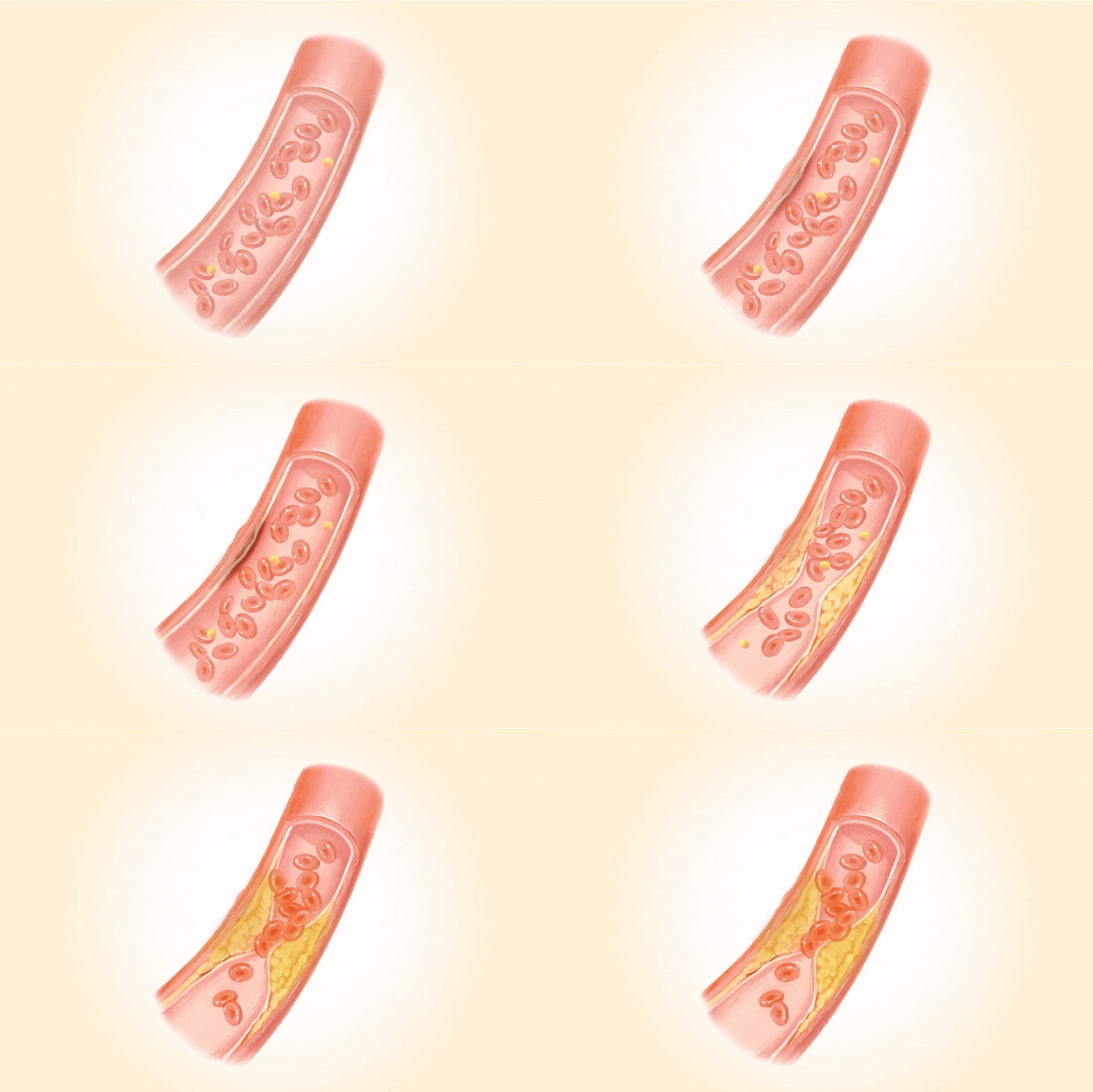
Atherosclerosis is a chronic inflammatory disease in which a sticky substance called plaque builds up inside the arteries, causing them to narrow and harden.
This process can affect arteries throughout the body, including those supplying blood to the heart, brain, kidneys, and limbs. Diseases caused by atherosclerosis account for roughly half of all deaths in Western countries.
Healthy lifestyles and certain natural products may help prevent atherosclerosis, slow its progression, and, in some cases, partially reverse its effects.
[shortcut_anchor id=”anchor_1771027182541″ label=”Symptoms”]What Are the Symptoms of Atherosclerosis?[/shortcut_anchor]
Atherosclerosis is often called a “silent” disease because it typically causes no symptoms in its early stages. Warning signs usually appear during physical or emotional stress, when the body needs more oxygen. A narrowed artery can cause pain or cramping when blood flow can’t meet tissue demands.
Atherosclerosis can develop in almost any artery. The type depends on which arteries are affected, and each has characteristic symptoms.
1. Heart
When plaque builds up in the arteries that supply the heart, it can quietly limit blood flow for years before symptoms appear—sometimes revealing itself only as chest pain or a heart attack.
Coronary Artery Disease: Plaque buildup in the heart arteries that affects heart function. Also known as coronary heart disease.
Symptoms include chest pain (angina), racing heart, shortness of breath, cold sweats, dizziness, fatigue, and nausea. Chest pain during activity that improves with rest may signal a possible heart attack.
2. Brain
Atherosclerosis in the arteries leading to the brain can reduce blood flow without warning, increasing the risk of stroke, memory problems, and other serious complications.
Carotid Artery Disease: Plaque buildup in neck arteries that reduces blood flow to the brain. Many people have no early symptoms. Doctors may detect it by hearing an abnormal “whooshing” sound with a stethoscope.
Advanced symptoms include stroke, paralysis of the limbs or face, confusion, dizziness, weakness, vision and breathing problems, headache, and loss of consciousness.
Vertebral Artery Disease: Plaque buildup in arteries supplying the back of the brain, which controls vital functions.
Symptoms include memory or cognitive problems, weakness or numbness on one side, vision changes, and sometimes transient ischemic attacks (mini stroke).
3. Limbs
Blocked arteries in the legs or arms may first appear as cramping or pain during walking, signaling reduced muscle circulation.
Peripheral Artery Disease: Plaque buildup in the arteries of the legs, arms, or pelvis that limits blood flow to the extremities.
Symptoms include painful leg or hip cramps during walking that stop with rest, usually in the calves but sometimes in the thighs, buttocks, or feet. However, some people experience no symptoms.
4. Kidney
When plaque narrows the arteries supplying the kidneys, it can disrupt blood pressure control and kidney function, often without early warning signs.
Renal Artery Stenosis: Plaque buildup in kidney arteries that impairs function. Renal artery stenosis is often first detected by an abnormal sound heard with a stethoscope.
As it progresses, symptoms may include fatigue, nausea, confusion, changes in urination, high blood pressure, reduced appetite, and swelling in the feet or legs.
5. Digestive System
Atherosclerosis in the arteries supplying the intestines can cause severe abdominal pain after meals and, in advanced cases, threaten digestive health.
Mesenteric Artery Ischemia: Plaque buildup in intestinal arteries that reduces blood flow.
Symptoms include severe abdominal pain after meals, weight loss, and diarrhea.
Additional Warning Signs
In some cases, atherosclerosis shows up through less obvious symptoms that may signal underlying artery disease.
- A transient ischemic attack (mini stroke) can be a warning sign of a future stroke and may cause sudden headache, trouble thinking or moving, and weakness or numbness on one side that resolves within minutes.
- Erectile dysfunction can be an early sign of atherosclerosis in men and indicates a higher risk of plaque-related complications.
- Deep, aching pain in the abdomen or back may signal an abdominal aortic aneurysm.
[shortcut_anchor id=”anchor_1771027190921″ label=”Causes”]What Causes Atherosclerosis?[/shortcut_anchor]
Atherosclerosis is a slow, progressive disease that can begin in childhood and worsen over time. While researchers don’t fully understand its exact cause and onset, they’ve identified how the disease develops.
Think of arteries as smooth highways for blood flow. Atherosclerosis begins when the inner lining of these arteries sustains repeated minor injuries from:
- Disturbed blood flow or high blood pressure
- Chronic inflammation
- High levels of cholesterol (especially certain LDL cholesterol particles), triglycerides, or insulin
- Chemical imbalances, such as high blood sugar
- Toxic chemicals from tobacco smoke
When the artery wall is damaged, the body’s inflammatory response creates a harmful cascade rather than proper healing.
When talking about atherosclerosis, cholesterol often comes into the picture. Cholesterol is debated. As we’ve reported, cholesterol is necessary for our bodies, and not all cholesterol is unhealthy. Emerging science finds that excess LDL—especially oxidized, small, dense particles—can contribute to plaque buildup.
Inflammatory cells arrive at the injury site and release chemical signals that cause cholesterol and cellular waste to accumulate. Immune cells then enter the artery wall and transform into “foam cells” that absorb cholesterol. Over time, these foam cells trigger more cell growth, gradually forming fatty plaques. A fibrous cap forms over the plaque, which can harden with calcium deposits.
As plaques enlarge, blood flow to organs and limbs becomes restricted, and in severe cases can be completely blocked—often referred to as “clogged arteries.”
Some plaques are prone to rupture. When this happens, a blood clot can suddenly block an artery. When tissues are deprived of oxygen, they may become damaged or die, leading to a heart attack, stroke, or death.
Risk Factors
Risk factors for atherosclerosis include:
- Chronic Stress: Promotes endothelial injury, inflammation, and metabolic changes that accelerate plaque formation.
- Physical Inactivity: A sedentary lifestyle increases risk.
- Unhealthy Diets: Diets high in sugar, salt, and unhealthy fat and low in fruits and vegetables increase cholesterol levels.
- Smoking and Drinking: Smoking lowers “good” high-density lipoprotein (HDL) cholesterol, raises “bad” low-density lipoprotein (LDL) cholesterol, damages artery walls, narrows arteries, and increases clotting. No amount of alcohol is considered risk-free for cardiovascular health.
- High Cholesterol: High LDL cholesterol increases risk. Measuring apolipoprotein B helps assess risk because it reflects the number of cholesterol-carrying particles that contribute to plaque buildup. In contrast, higher HDL cholesterol lowers risk. Other lipid factors that raise risk include lipoprotein(a) and high triglycerides.
- High Blood Pressure: Risk rises when blood pressure exceeds 115/75 mm Hg.
- Diabetes: Damages small arteries and accelerates plaque buildup in larger arteries.
- Overweight or Obesity: Especially abdominal obesity, which raises the risk of coronary artery disease and worsens other atherosclerosis risk factors, including high blood pressure, Type 2 diabetes, and high cholesterol.
- Chronic Inflammation: Damages blood vessels and increases the risk of atherosclerosis. Elevated C-reactive protein signals inflammation and higher cardiovascular risk. Autoimmune diseases such as rheumatoid arthritis, lupus, and Addison’s disease also raise the risk.
- Certain Infections: HIV and infections such as Chlamydia pneumoniae, cytomegalovirus, Helicobacter pylori, COVID-19, and periodontal disease may damage artery walls.
- Clonal Hematopoiesis of Indeterminate Potential: Involves certain blood cell mutations, nearly doubles the risk of early coronary artery disease and heart attack.
- Certain Medical Therapies: Radiation therapy and chemotherapy can damage blood vessel walls. Chemotherapy can also harm the heart, with some effects not appearing until years after treatment.
- Advancing Age: Risk rises after age 45 in men and after 55 in women.
- Family History: Conditions such as familial hypercholesterolemia affect about one in 300 people and are linked to mutations in the LDL receptor gene, causing very high cholesterol levels and early heart disease.
- Race and Ethnicity: People of South Asian ancestry have a higher risk of heart disease than people of European ancestry. In the United States, African Americans have a significantly higher risk of death from heart disease than Caucasians.
[shortcut_anchor id=”anchor_1771027207995″ label=”Diagnosis”]How Is Atherosclerosis Diagnosed?[/shortcut_anchor]
Diagnosis depends on whether a person has symptoms.
1. Screening (for People Without Symptoms)
Screening tests may include the following:
- Children Without Major Risk Factors: Obesity screening starting at ages 2 to 6, blood pressure screening at age 3, and lipid screening at ages 9 to 11, or earlier if risk factors are present.
- People With Risk Factors: Routine checks of blood glucose, cholesterol, and triglycerides, often during annual exams.
- People Over 18: Blood pressure screening every three to five years starting at age 18 and annually beginning at age 40. Lipid screening every four to six years starting at age 20, with more frequent testing for people with certain risk factors or medical conditions.
- Advanced Screening: In some cases, CT scans are used to detect calcified plaques in the coronary arteries, producing a calcium score that helps assess heart disease risk.
2. Diagnosis (for People With Symptoms)
When symptoms are present, diagnosis involves a medical history review, physical exam, and targeted testing.
The specific tests depend on risk factors, symptoms, and the arteries involved. They may include the following:
- Blood Tests: Measure cholesterol, triglycerides, and blood sugar to evaluate lipid and glucose metabolism, which are key factors in plaque formation. Certain proteins, such as apolipoprotein B and lipoprotein(a), may also be measured, as elevated levels increase risk.
- Imaging Tests: Doppler ultrasound, magnetic resonance arteriography, CT angiography, and X-ray angiography with contrast dye to evaluate blood flow in the arteries.
- Ankle-Brachial Index: A noninvasive test comparing blood pressure in the ankle and arm using a cuff and ultrasound. It is primarily used to evaluate peripheral artery disease, as significant differences between the ankle and arm pressures can indicate narrowed or blocked arteries.
- Stress Tests: Assess heart function and detect narrowed coronary arteries. These include electrocardiograms and echocardiograms, which assess heart rhythm and structure. More advanced stress imaging can assess the severity of coronary artery narrowing and quantify blood flow.
- Cardiac Catheterization: A procedure in which a thin catheter is inserted into the coronary arteries, and dye is injected so X-ray images can identify narrowed or blocked arteries.
[shortcut_anchor id=”anchor_1771027221755″ label=”Treatment”]What Are the Treatments for Atherosclerosis?[/shortcut_anchor]
With early intervention, atherosclerosis is highly manageable. Outcomes depend largely on how severely arteries are blocked. Treatment may include medications, procedures, or surgery. However, for lasting improvement, lifestyle changes are essential—which we’ll explore in the next section.
1. Medications
Medications used to manage atherosclerosis target different parts of the disease process. Lipid-lowering drugs reduce blood lipids to slow plaque buildup and stabilize existing plaques. Antiplatelet medications reduce platelet clumping to help prevent clot formation after a plaque ruptures. Anticoagulants, often called blood thinners, lower the risk of clot formation through mechanisms distinct from antiplatelet agents. Blood pressure medications decrease strain on the heart and arteries by relaxing blood vessels, reducing blood volume, or lowering the heart’s pumping force. In acute emergencies such as a heart attack or stroke, thrombolytic medications—commonly known as “clot busters”—may be used to dissolve dangerous blood clots caused by atherosclerosis.
2. Catheter-Based Interventions
These procedures open narrowed or blocked arteries. Options include:
- Balloon Angioplasty: A thin tube with a small deflated balloon is guided to a narrowed artery and inflated to widen it and restore blood flow.
- Stenting: Often performed after balloon angioplasty, a small mesh tube is placed to keep the artery open and slowly release medication to prevent re-narrowing.
- Thrombectomy: Removes blood clots mechanically by suction, or by delivering clot-dissolving medication directly to the blockage. Often used in emergencies, such as a stroke or sudden blockage of blood flow to a limb (acute limb ischemia).
- Intravascular Lithotripsy: Uses shock waves to break up hard, calcified plaque in arteries before balloon angioplasty and stenting.
- Brachytherapy: Delivers targeted radiation inside the artery to prevent re-narrowing after balloon angioplasty and stent placement.
3. Surgeries
Surgical options include:
Bypass Surgery: Reroutes blood around blocked arteries using a vein, artery, or synthetic graft to restore blood flow. Commonly used for heart (coronary) arteries and leg arteries.
Surgical Endarterectomy: Removes plaque from inside an artery to improve blood flow. Carotid endarterectomy (performed on neck arteries) is the most common form and helps reduce stroke risk in people with severe narrowing.
4. Herbal Medications
Consult a qualified herbalist before trying any of the following:
- Gastrodia Elata (Tianma): A traditional Chinese herbal medicine used for headaches, stroke, and related conditions. Its active compounds may lower blood pressure, reduce blood lipids, and enhance immune function. Human clinical trials are still needed to confirm safety and effectiveness.
- Tanshinone IIA: A natural compound derived from the root of Salvia miltiorrhiza (Danshen). Experimental studies and clinical trials suggest that it may reduce LDL oxidation, inflammation, and platelet aggregation, and help stabilize plaques. More robust clinical trials are needed to establish dosing, effectiveness, and safety.
- Saffron: Contains strong antioxidant and anti-inflammatory compounds that may support vascular health.
- Curcumin: The main compound in turmeric, which has shown promising effects against atherosclerosis in laboratory and animal studies. Curcumin may help reduce inflammation, support blood vessel health, and stabilize plaques. Well-designed human studies are still needed to confirm curcumin’s safety and effectiveness.
- Garlic: A 2022 review found that garlic may help protect against atherosclerosis by improving cholesterol levels, reducing inflammation and oxidative stress, protecting the blood vessel lining, and limiting harmful clotting and plaque growth. In a 2013 study involving 56 people with coronary artery disease, garlic powder tablets slowed the progression of artery wall thickness over three months compared with a placebo. Garlic did not significantly lower cholesterol or other blood fat levels, suggesting its benefits may result from direct effects on artery walls rather than changes in blood lipids. Overall, garlic may be used alongside standard treatment for atherosclerosis.
4. Acupuncture
A 2024 study found that acupuncture reduced carotid plaque thickness and volume and improved plaque stability with minimal side effects, suggesting it may serve as a complementary therapy for carotid atherosclerosis. Targeting specific acupuncture points may help relieve cardiovascular conditions associated with atherosclerosis, including the following:
- Leg Three Miles (Zusanli; ST36)
- Abundant Bulge (Fenglong; ST40)
- Inner Gate (Neiguan; PC6)
- Heart Shu (Xinshu; BL15)
[shortcut_anchor id=”anchor_1771027256577″ label=”Lifestyle Approaches”]What Are the Natural and Lifestyle Approaches to Atherosclerosis?[/shortcut_anchor]
Lifestyle changes can slow atherosclerosis progression, stabilize plaques, and, in some early or mild cases, modestly reduce plaque buildup. This lowers the risk of heart attack and stroke and may also help prevent atherosclerosis from developing.
1. Heart-Healthy Diet
Dietary recommendations for managing atherosclerosis emphasize fruits, vegetables, legumes, nuts, whole grains, and fish. The new Dietary Guidelines for Americans also recommend higher protein intake from both animal and plant sources, with animal proteins highlighted for their complete amino acid profile.
Overall, the focus is on a balanced diet that provides adequate protein and fiber while emphasizing heart-healthy foods—such as the Mediterranean diet supplemented with extra-virgin olive oil or nuts—improve survival and cardiovascular outcomes.
Foods With Medicinal Benefits
Certain everyday foods may offer added protection by improving cholesterol, reducing inflammation, and supporting blood vessel health.
- Olive Oil: Higher intake of extra-virgin olive oil is linked to lower cardiovascular disease risk, especially when intake exceeds about 40 grams per day. Research shows that it has been associated with reduced risk of stroke, peripheral artery disease, and atrial fibrillation. In peripheral artery disease, olive oil may help slow the progression of atherosclerosis by improving blood vessel lining function and reducing local inflammation.
- Avocado Oil: Rich in monounsaturated fats, especially oleic acid, avocado oil may help lower LDL cholesterol and support healthy HDL levels. Its antioxidant compounds may also improve blood vessel lining function, which plays a key role in slowing plaque buildup.
- Tomato: A 2012 study found that women who ate at least 10 servings of tomato-based foods per week had modest but significant improvements in total cholesterol and the total-to-HDL cholesterol ratio. They were 31 percent less likely to have high total cholesterol and 40 percent less likely to have high LDL cholesterol than women eating fewer than 1.5 servings per week.
Foods and Beverages to Limit
Limiting certain foods and drinks can reduce inflammation, improve cholesterol, and lower cardiovascular risk.
- Unhealthy fats
- Sodium
- Added sugars, refined carbohydrates
- Processed meats
- Alcohol
2. Dietary Supplements
The following supplements may help reduce atherosclerosis. Consult your doctor before starting any new supplement.
- Aged Garlic Extract: May support cardiovascular health and improve circulation. A 2021 study of nearly 100 participants showed a 21.6 percent increase in blood flow compared with a placebo.
- Vitamin D: Levels are linked to the severity of coronary artery atherosclerosis and the risk of acute coronary events in nondiabetic cardiac patients. Patients with atherosclerosis affecting one to three heart arteries often have lower vitamin D levels than those without significant artery blockages.
- Artichoke Extract: May significantly reduce total cholesterol, LDL cholesterol, and triglycerides, suggesting it may complement and enhance the effects of conventional lipid-lowering therapy.
- Red Yeast Rice: A fermented rice cultivated with Monascus purpureus and used in traditional Chinese medicine to support blood health. It contains monacolins—naturally occurring cholesterol-lowering compounds—especially monacolin K, which works like statin drugs. It can lower LDL cholesterol and may reduce inflammation. However, long-term safety data are limited, and there are potential concerns about toxicity and side effects.
- Berberine: A 2022 study suggested that berberine, derived from the herb Chinese goldthread, may help shrink carotid artery plaques, possibly by reducing gut-derived inflammatory compounds.
3. Other Lifestyle Modifications
Consult your doctor for personalized guidance, especially if you have heart disease or a history of heart attack.
- Quit Smoking: The most important step to reduce the risk of heart disease and stroke, two major complications of atherosclerosis.
- Limit Alcohol Intake: Recommended limits are up to one drink per day for women and up to two drinks per day for men.
- Stay Active: Engage in regular physical activity, such as brisk walking for about 30 minutes on most days, and longer durations for weight loss. For adults unable to engage in moderate-intensity exercise, remain as active as health allows. Additionally, resistance exercises at least twice per week are beneficial.
- Maintain a Healthy Weight: Losing 3 percent to 5 percent of your current body weight can improve high cholesterol, blood pressure, and diabetes risk factors.
[shortcut_anchor id=”anchor_1771027275218″ label=”Mindset”]How Does Mindset Affect Atherosclerosis?[/shortcut_anchor]
Your mental and emotional state can significantly affect atherosclerosis through both biological and behavioral pathways.
Chronic psychological stress, depression, and negative emotional states activate the sympathetic nervous system and the hypothalamic-pituitary-adrenal axis, increasing cortisol and other stress hormones. These hormones promote vascular inflammation, endothelial dysfunction, and oxidative stress, all of which accelerate plaque development and increase plaque instability. Mental stress may also increase inflammatory activity within existing plaques.
Mindset also influences atherosclerosis indirectly through behavior and long-term psychosocial patterns. Chronic stress and poor mental health are associated with higher rates of smoking, physical inactivity, and unhealthy eating—well-established risk factors for atherosclerosis.
Conversely, positive psychosocial well-being—particularly when established early in life—has been linked to lower coronary artery calcification in adulthood, suggesting lasting protective effects on vascular health.
[shortcut_anchor id=”anchor_1771027282814″ label=”Prevention”]How Can I Prevent Atherosclerosis?[/shortcut_anchor]
Atherosclerosis develops gradually, but you can slow its progression and reduce your risk of heart attack and stroke by adopting a heart-healthy lifestyle.
Key Prevention Strategies
Preventing atherosclerosis depends on daily habits that protect the heart and blood vessels. The following steps can help lower your risk:
- Follow a heart-healthy diet.
- Exercise regularly with moderate-intensity activity on most days of the week.
- Maintain a healthy weight.
- Quit smoking and limit alcohol intake.
- Manage stress through healthy coping strategies.
- Get annual physical exams for monitoring and early detection.
Prevention Medications (If at High Risk)
If you’re at high risk for atherosclerosis, medications may be needed to reduce cardiovascular risk, including:
- Cholesterol-lowering drugs such as statins, ezetimibe, and PCSK9 inhibitors
- Aspirin or other antiplatelet medications to prevent blood clots in some cases
- Medications to manage contributing conditions, such as high blood pressure and diabetes
[shortcut_anchor id=”anchor_1771027297370″ label=”Complications”]What Are the Possible Complications of Atherosclerosis?[/shortcut_anchor]
Atherosclerosis can lead to serious, sometimes life-threatening complications, including:
- Heart Attack: Reduced blood flow to the heart muscle.
- Heart Failure: Damage that weakens the heart’s pumping ability.
- Stroke: Blocked blood flow to the brain. A ruptured plaque can form a clot that travels through the arteries and causes an ischemic stroke.
- Aneurysm: Weakening of an artery wall that may rupture and cause severe bleeding.
- Peripheral Artery Disease: Severely restricted blood flow to the limbs that can cause severe pain and tissue death, sometimes requiring amputation.
- Vascular Dementia: Cognitive decline caused by reduced blood flow to the brain.
Update: This article was updated with more specific details about which forms of cholesterol are problematic.