




As one of the largest joints in the body, the elbow allows for a wide range of movement. Repetitive movements of the hand, wrist, and arm can lead to problems with the elbow’s bones, muscles, joints, tendons, and ligaments, resulting in pain and tenderness.
“Once elbow pain sets in, it can be highly persistent and often grows worse over time,” Phil John, an occupational therapist specializing in injury management and functional rehabilitation, told The Epoch Times. These problems can eventually progress into deeper pathology.
Chronic elbow pain isn’t something you should have to live with. Specific exercises can stretch and strengthen the soft tissues of the elbow to expedite the healing process.
The Bones and Muscles of the Elbow
The elbow is composed of three bones, including the humerus of the upper arm and the radius and ulna of the forearm. These bones join together with three joints and supporting ligaments.
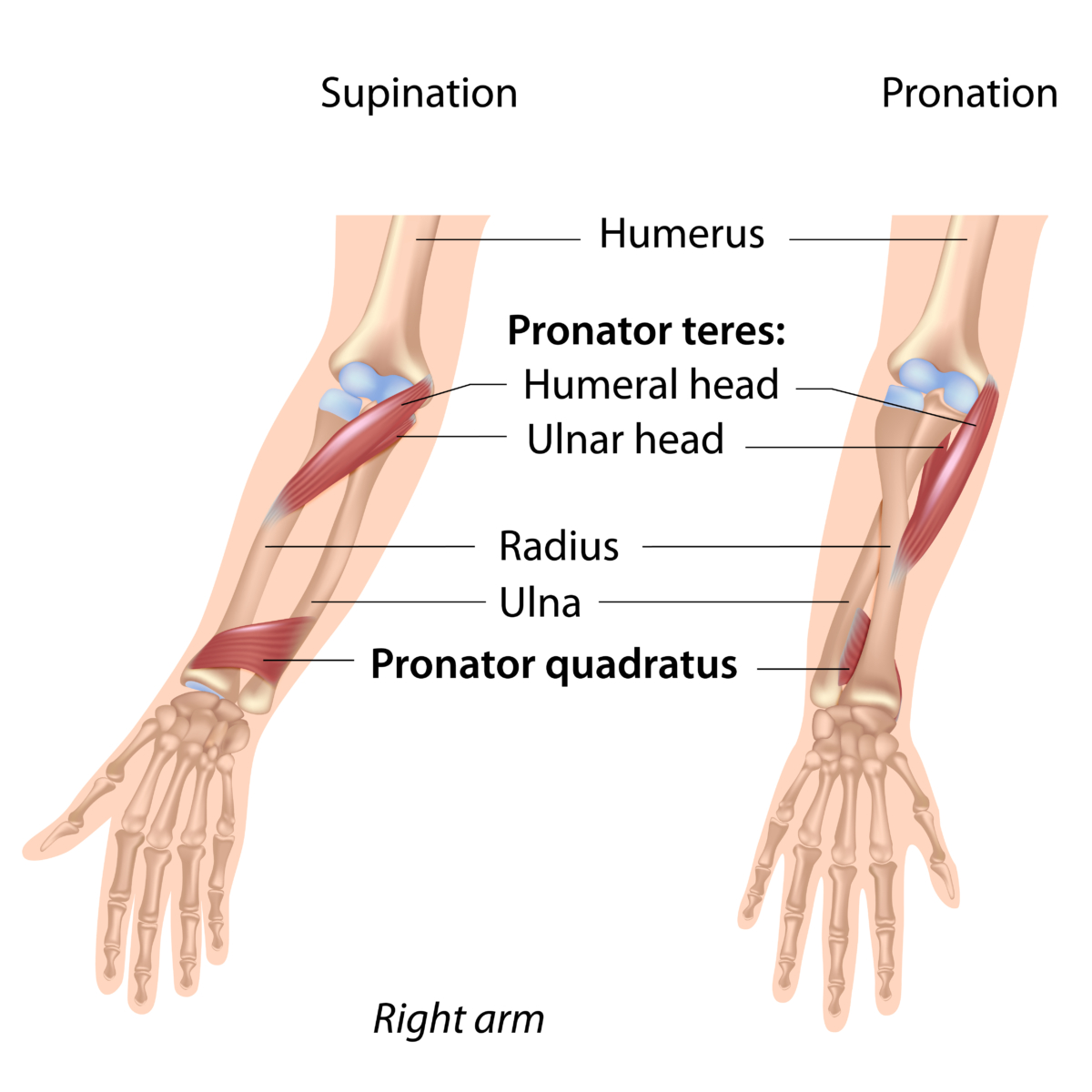
Synovial joints are highly mobile joints that allow for a wide range of movement, and the elbow allows four distinct movements: flexion and extension (bending and straightening), and supination and pronation (turning your hand palm up and palm down).
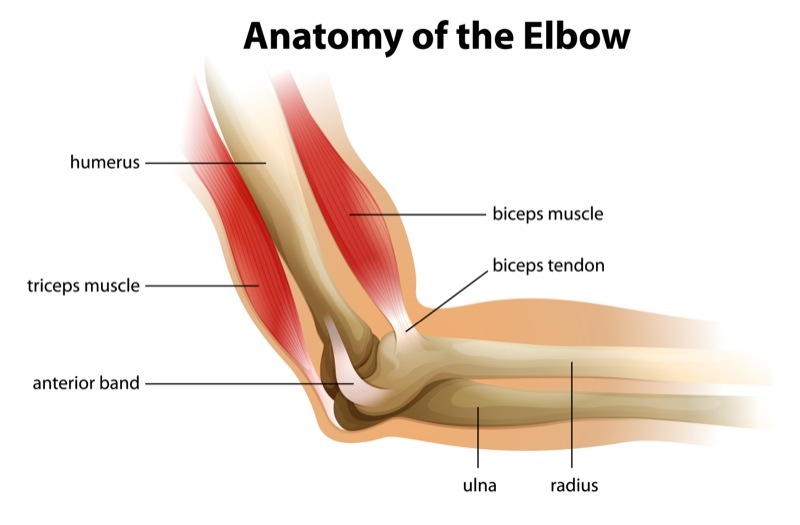
The largest muscles of the elbow are the biceps brachii and the triceps brachii. The biceps facilitate elbow flexion and contribute to wrist supination.
The pronator teres and pronator quadratus muscles contribute to pronation. Many smaller muscles also contribute to elbow movement.
Causes of Chronic Pain in Healthy Elbows
Your elbow joint is one of the most active joints in your body, making it more prone to injury.
“Many of the pain syndromes of the elbow don’t originate from single events, but rather from the frequent repetition of relatively low-stress movements,” Mr. John said.
The two primary contributing factors to elbow pain are unhealthy functional patterns and muscle weakness.
Functional Patterns
The following types of activities can increase the likelihood of an elbow problem:
- Repetitive motions (e.g., painting, using a computer, and chopping food).
- Leaning on elbows for an extended period.
- Sports such as tennis, golf, and any involving throwing a ball.
Muscle Weakness
The muscles of the elbow need to be strong to ensure proper functioning of the joint.
The elbow is a synovial joint—the bones do not directly connect, instead coming together within a joint cavity. The walls of the joint cavity are formed by a fibrous capsule, and the entire structure depends on balanced muscle strength to function correctly. Muscle weakness in the elbow can contribute to the development of chronic pain.
Fortunately, there are safe and effective exercises that can help maintain the flexibility of the elbow joint, strengthen the muscles, and help decrease or eliminate chronic pain.
[series_posts_list][/series_posts_list]
Exercises for Chronic Elbow Pain
Flexed-Elbow Supination and Pronation
This exercise allows you to stretch the elbow joint via supination and pronation movements to ensure that your joints and ligaments are kept limber.

Step 1: While sitting or standing, bend one of your elbows 90 degrees out in front of you and rotate your palm away from you.
Step 2: Grasp your wrist with your other hand and use it to rotate the palm even farther, as far as you comfortably can. Hold the position for three seconds.
Step 3: Slowly turn your palm to face you, rotating it as far as you can. Use your other hand to help turn it even farther and hold for three seconds.
Perform these movements 10 times for each arm.
Pay attention to your elbow during these movements and don’t provoke pain. It’s better to rotate your hand by holding onto your wrist instead of holding directly onto your other hand.
Active Tabletop Supination and Pronation
Combining supination and pronation exercises allows you to work muscles above and below the elbow joint, ensuring flexibility of the joint while keeping elbow muscles strengthened and trained.

Step 1: While sitting or standing, bend your elbow 90 degrees with your palm facing up. You can use a tabletop, chair armrest, or desktop.
Step 2: Holding your arm still, slowly turn your hand until your palm is flat on the table, or rotated as far as you can. Hold for one second, then rotate your hand back to the original position. Move slowly and control the movement, taking one second to move in either direction.
Perform three sets of 12 repetitions.
You can intensify this exercise by holding the base of a hammer or the end of a stick as you move your hand in both directions, touching the end of the object to the table as you complete the movements. Pay attention to your elbow during these movements and avoid pushing into pain.
Triceps Stretch
This stretch is a great way to elongate the triceps to keep them from becoming tight. It provides maximum stretch without stressing the shoulders.

Step 1: While standing or sitting, reach over your shoulder and slide your hand down your back as far as possible while pointing your fingers toward the floor.
Step 2: Cup your elbow with your free hand and gently push your elbow down to slide your hand farther down your back.
Step 3: Hold the stretch for 10 seconds.
Perform 10 total stretches per side.
Move slowly in both directions and don’t push into pain. Don’t jut your chin, and keep your back and shoulders as upright as possible.
Biceps Stretch
The biceps muscles are strong and can exert a great deal of stress across your shoulder and elbow joints when tight. This exercise is a safe and simple way to stretch your biceps.

Step 1: Bring your arms straight out to your sides while standing as upright as possible. Keep your shoulders and back straight, and don’t jut your chin.
Step 2: Point your thumbs down and sweep your arms straight back while rotating your thumbs as far to the rear as possible, keeping your elbows straight.
Step 3: Hold the stretch for 10 seconds.
Perform 10 total stretches.
Pay attention to your body and don’t push into pain. Be sure to concentrate on the proper posture during this activity.
Elbow Flexion
This exercise is one of the classic elbow exercises and allows strengthening of the biceps muscles while also being easy to control.
Step 1: While standing or sitting, hold onto a dumbbell, can, or kettlebell.
Step 2: Keeping your shoulders tall and upright, slowly bend your elbows and lift the weights up as far toward your shoulders as you can. Don’t move your upper arm, and keep your palms facing each other or facing up as you perform the exercise.
Step 3: Slowly move in either direction and don’t rush.
Try to perform three sets of 10 repetitions, and adjust the amount of weight to challenge yourself.
“It’s easy to get sloppy with this exercise, so pay careful attention to movements in order to maximize the efficacy of the exercise,” Mr. John said.
Supine Elbow Extension
This exercise allows you to strengthen your triceps muscles in a well-controlled movement pattern. Even beginners will find it easy to perform.
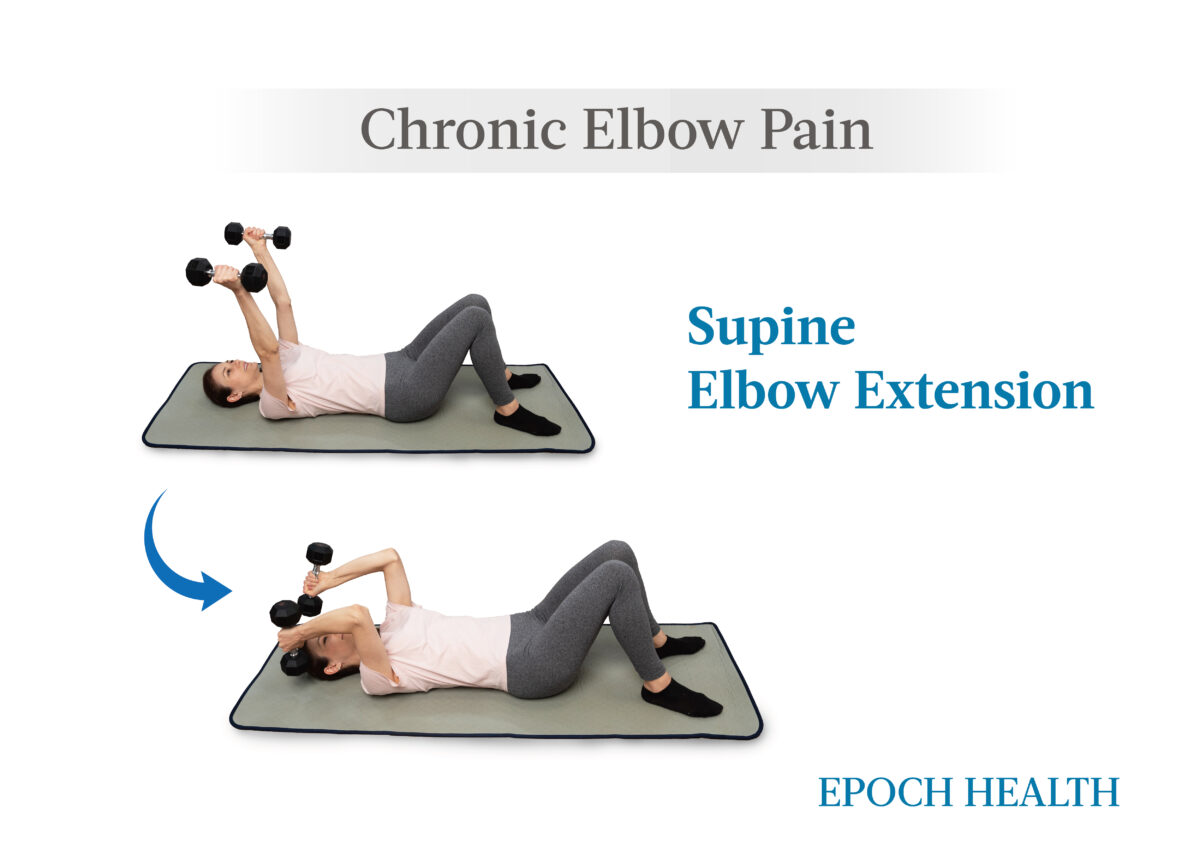
Step 1: Lie flat on your back, holding a can, dumbbell, or kettlebell in each hand.
Step 2: Push your arms straight up with your arms shoulder-width apart and your palms facing each other. Slowly lower the weights down to the side of your head, then push them straight back up. Don’t rush the movements—take approximately two seconds to move in either direction.
Try to perform three sets of 10 repetitions.
Be sure to keep the weights to the side of your head during movements for safety. Focus on moving smoothly—don’t “bounce” the movements.
When to Consult a Professional
While exercises can often decrease pain, persistent chronic pain may indicate a problem requiring medical attention. Mr. John recommends consulting with your family physician for an initial evaluation and possible referral.
*If you have health or mobility issues that may present problems, consult with your physician before commencing exercise activity.
[note label=”Next” title=”Part 10 – Chronic Wrist Pain: Can Last for Years, a Therapist’s Top Exercises to Relieve” hyperlink=”https://cmsapi.theepochtimes.com/health/chronic-wrist-pain-can-last-for-years-6-exercises-to-relieve-5366060″ description=”The wrists are in constant motion throughout the day and subjected to many repetitive motions that can provoke chronic pain. A consistent regimen of exercises can help decrease or eliminate chronic pain presentations in otherwise healthy wrists. “][/note]
Views expressed in this article are the opinions of the author and do not necessarily reflect the views of The Epoch Times. Epoch Health welcomes professional discussion and friendly debate. To submit an opinion piece, please follow these guidelines and submit through our form here.