



For decades, cancer has been seen as a silent invader—an external force waiting to strike without warning. Treatments were framed as weapons of war, and our bodies became the battleground.
However, cancer is not an external threat, but rather a dysfunction of our own cells and of our immune system’s ability to recognize and control them.
In recent years, cancer treatment has increasingly shifted toward harnessing the immune system, and lymphocytes have emerged as a key factor. These specialized cells are the body’s cancer killers, and not only can they be tracked and measured, but simple daily habits can strengthen and support them.
Lymphocytes Explained
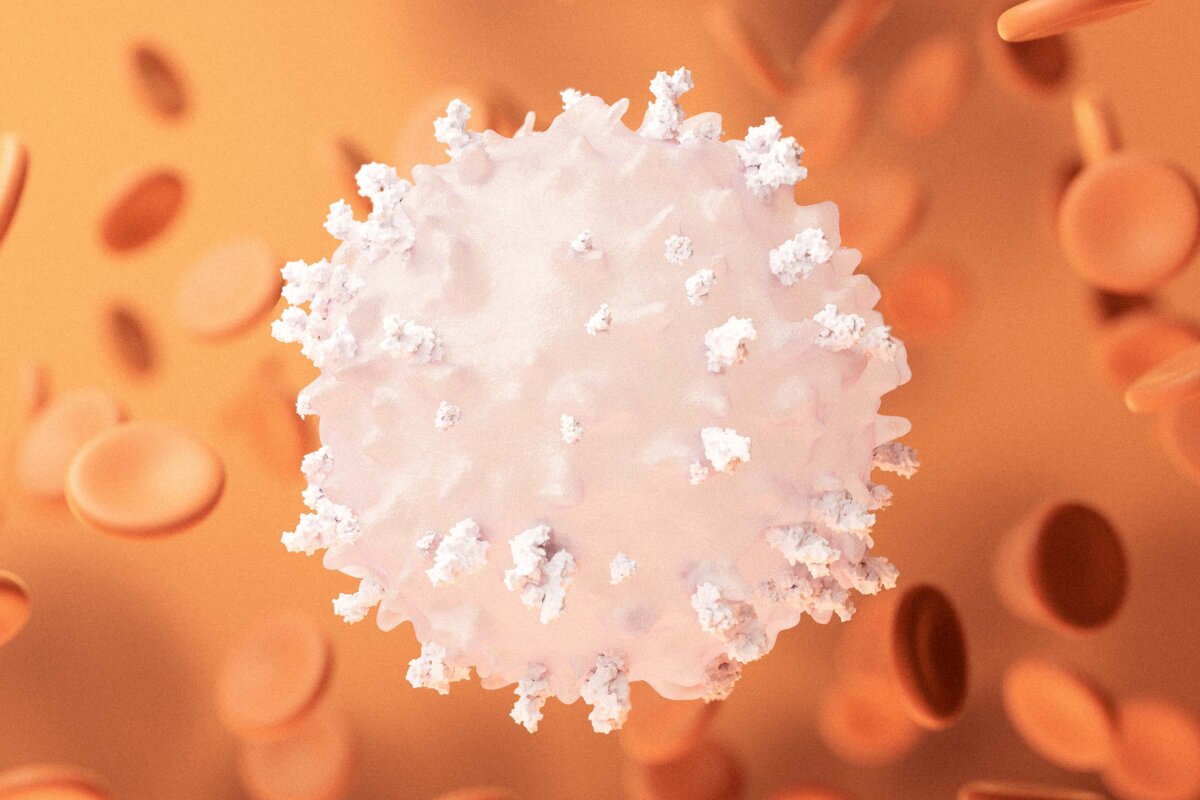
There are three main types of lymphocytes. Natural killer cells, or NK cells, are the body’s first line of defense; B cells produce antibodies to fight infections and attack invaders such as viruses and bacteria; and T cells attack cells in our bodies that have been infected by viruses or have become cancerous.
NK cells act quickly to identify and destroy cells infected with viruses and those with early signs of cancer, and they are crucial to the innate immune system’s defense against threats such as infections and tumors. NK cells do not rely on having encountered a pathogen or harmful cell before; they destroy potential threats without prior exposure.
In order for lymphocytes to recognize and attack cancer, three things need to happen, according to Dr. Luis Ignacio Gonzalez-Granado, a researcher and clinical immunologist specializing in primary immunodeficiencies.
First, they have to clearly recognize that the cancer cell looks abnormal. If the tumor looks too much like normal tissue, they ignore it.
Second, for a T cell to become fully activated, it needs to receive antigen recognition signals and co-stimulatory signals. These two signals serve as a safety mechanism to prevent the body from accidentally attacking its own tissues.
Cancer takes advantage of this by using the immune system’s off-switch. When the off-switch is activated, the immune system is told to stand down and tolerate the cancer rather than kill it, a process called tolerogenesis. So even though the body detects cancer, it chooses tolerance over attack because it is trying to avoid harming the body.
Third, the tumor microenvironment can weaken or exhaust immune cells, preventing them from functioning properly. This environment can induce chronic inflammation, recruit suppressor cells, such as regulatory T cells, and release inhibitory cytokines that signal to dampen the immune response.
“An effective lymphocyte is one that recognizes a truly abnormal antigen, receives adequate activating signals, and does its job rather than transforming itself into a tolerogenic, chronically suppressed, or exhausted cell,” Gonzalez-Granado told The Epoch Times.
However, cancer cells are clever and can adapt to evade the immune system in multiple ways, which include hiding, disguising themselves as normal cells, and creating an environment that is hostile to immune cells.
2 Approaches to Cancer Treatment
There are two broad philosophies for treating cancer, and they are fundamentally different in their approaches: conventional cancer care and immunotherapy.
Generally speaking, conventional treatments include surgery, radiotherapy, and chemotherapy.
“Their primary goal is to induce damage into tumor tissue directly,” Gonzalez-Granado said. “As collateral damage, they often eliminate lymphocytes, leading to temporary immune suppression.”
Immunotherapy takes the opposite approach: Rather than attacking the tumor directly, it works to restore or enhance the immune system’s own ability to recognize and destroy cancer cells—with lymphocytes at the center of that effort.
“Both strategies are increasingly combined, using conventional treatments to reduce tumor burden and immunotherapy to maintain long‑term immune control,” Gonzalez-Granado said.
Why Lymphocytes Matter in Cancer
One of the keys to a cancer patient’s survival is maintaining his or her lymphocytes, Steve Rallis, a doctor of naturopathic medicine with a clinical focus in integrative cancer care, told The Epoch Times.
Specifically, he highlights the neutrophil-to-lymphocyte ratio, a figure derived from a standard blood test, as a predictor of both overall and progression-free survival. He describes it in detail in his book “When Oranges Become Apples: What Your Oncologist Won’t Tell You About IV Vitamin C and Cancer.” The ratio should ideally sit between two and three, he said.
“And that’s true across lots of different cancers, like breast cancer, lung, colorectal, pancreatic, you name it,” Rallis said. “That ratio is really, really important.”
Neutrophils are the most abundant immune cells and the first to respond to infection or injury. In cancer patients, Rallis has frequently observed rising neutrophil counts—largely driven by inflammation—while lymphocyte levels fall. Left unaddressed, that imbalance has serious consequences.
Chronic inflammation fuels cancer by damaging DNA, accelerating tumor growth, and aiding metastasis by releasing cytokines and growth factors. Inflammation creates a tumor-promoting microenvironment that stimulates the formation of new blood vessels and suppresses immune surveillance.
“And if you don’t support the lymphocytes, ultimately, it’s going to be fatal for the patient,” Rallis said.
How to Support Your Lymphocytes
For cancer patients, Rallis recommends several treatments, supplements, and lifestyle habits, which include intravenous vitamin C, mistletoe therapy, vitamin D3, probiotics, an anti-inflammatory diet, fasting—especially important during chemo—zinc, astragalus, and reishi.
For the rest of us, consistent daily habits can make a meaningful difference in supporting the health and numbers of our lymphocytes, strengthening our immune systems, and building long-term resilience. These foundations are not guarantees, Gonzalez-Granado noted, but establishing them early, ideally in childhood and adolescence, pays dividends for decades.
Get Enough Sleep
Regular and sufficient sleep is absolutely critical for immunity, especially for lymphocyte production, distribution, and function. Sleep promotes the production of immune cells, including lymphocytes, and reduces stress hormones such as cortisol, which inhibit T cell function and their ability to recognize and attack pathogens.
“Sleep, especially consistency, is massive for the immune system,” Rallis said. “And if you measure, especially nowadays, where people are wearing biometric devices, they’ll see the changes to heart rate variability and to their overall health with sleep and sleep consistency.”
Most adults need seven to nine hours of quality, uninterrupted sleep for optimal lymphocyte and immune system health.
Regulate Stress
Gonzalez-Granado emphasized the importance of managing stress to support our lymphocytes and said that stress elevates cortisol levels, which, in turn, weakens the immune response.
High cortisol levels diminish the total amount of white blood cells, inhibit their production, promote the destruction of T cells, and shift the balance of the immune system toward inflammation.
Evidence suggests that mindfulness, meditation, social support, and psychotherapy help manage stress levels, Gonzalez-Granado said.
Get Sunlight Exposure
Regular sun exposure is also vital for lymphocyte health, especially for boosting T cell activity. Studies have shown that low levels of blue light from the sun penetrate the skin and activate T cells, increasing their motility and responsiveness—an effect that appears to be independent of vitamin D production. Sunlight exposure prevents vitamin D deficiency, a risk factor for T cell dysfunction.
Experts generally recommend that people get between five and 30 minutes of sun exposure a day for optimal lymphocyte health and adequate vitamin D production. Exposure should be on bare skin without sunscreen, and it should occur between 10 a.m. and 4 p.m.
Get Regular Exercise
Regular moderate exercise enhances immune surveillance and reduces chronic inflammation.
An earlier assumption that intense exercise suppresses immunity has since been revised: Lymphocytes relocate to peripheral tissues during and after intense exercise, where they conduct heightened surveillance. The drop in circulating counts is not suppression—it is simply redeployment.
Eat Well and Supplement
Diet and supplementation round out the picture. The micronutrients necessary for lymphocyte development and function—including vitamin A, vitamin C, vitamin D, vitamin E, B vitamins, iron, selenium, and zinc—can be obtained from a varied diet rich in vegetables, fruits, whole grains, healthy fats, and adequate protein, Gonzalez-Granado said.
Rallis emphasized the role of zinc in a robust immune system and the importance of increasing consumption, particularly in cancer treatment.
“It’s hard to absorb more than 25 milligrams of zinc per oral dose, so we sometimes have to dose it more frequently,” he said.
Good food sources include oysters, beef, and pumpkin seeds, and the recommended amount for adults is between 8 and 11 milligrams per day.
Vitamin D3 is another supplement that is vital for supporting lymphocyte health. A 2022 study in patients with COVID-19 found that, when compared with a placebo, supplementing with vitamin D3 significantly increased lymphocyte counts.
Gut health also matters; roughly 70 percent to 80 percent of the body’s total immune cells reside in the gut. Probiotics generally support the immune system and natural killer cells’ activity, and they should contain between 30 billion and 50 billion colony-forming units. That number indicates the potency and concentration of beneficial bacteria per dose, Rallis said.
Gonzalez-Granado recommends avoiding toxins such as tobacco, alcohol, and environmental pollutants, and he said that ongoing stress, chronic lack of sleep, obesity, and eating a poor diet negatively affect lymphocyte health.
The Bigger Picture
Although lymphocytes are only one aspect of the complex landscape of cancer treatment, they are critical to a healthy, robust immune system that is better able to identify and destroy cancer cells.
The story of lymphocytes shows us that cancer is not a disease we are powerless to stop—we can actively participate in preventing it, or in the case of those who have cancer, overcoming it.
Leveraging the power of our body’s own intrinsic, highly sophisticated system of defense empowers us and engages us in activities that can help us stay healthy now and long into the future.
For those with cancer, tracking lymphocyte health and numbers is vital to survival.
“Ultimately, the immune system is the future of cancer care,” Rallis said. “The more we learn to guide and support it, the more effective cancer treatment will become.”